Onur Gökmens' exhibition at Salt Galata: Subsoil
From April 2 to May 3, 2026, Onur Gökmen’s exhibition Toprakaltı can be visited at SALT Galata. The artist also worked on the project during his residency at the Tarabya Cultural Academy from June to September 2025. The exhibition revisits a largely overlooked episode in the environmental and institutional history of Turkey: the detection of radioactive contamination in Black Sea tea following the 1986 Chernobyl disaster.
In the aftermath of the explosion at the Chernobyl Nuclear Power Plant, a team of scientists at Middle East Technical University (METU)—including the artist’s parents, İnci and Ali Gökmen—conducted a study to measure the impact of radioactive fallout on tea grown in the Black Sea region. The findings were compiled in a report and submitted to the relevant authorities. Yet, official statements tended to minimize the extent of the contamination and health risks, reflecting concerns over economic and social stability. Amid discussions around public health and accountability, the METU report eventually leaked to the press. While news coverage—often addressing the issue through mediatized images and headlines—generated a degree of public awareness, institutional responses remained largely unchanged, even as contaminated tea stayed in circulation. Sensational statements—such as “radioactive tea tastes even better” or “a little radiation is good for the bones”—overlooking the effects of radioactive contamination, along with images of state officials drinking tea, lingered in the collective memory. Meanwhile, tea became both a material witness to imperceptible radiation and a carrier of nuclear anxiety.
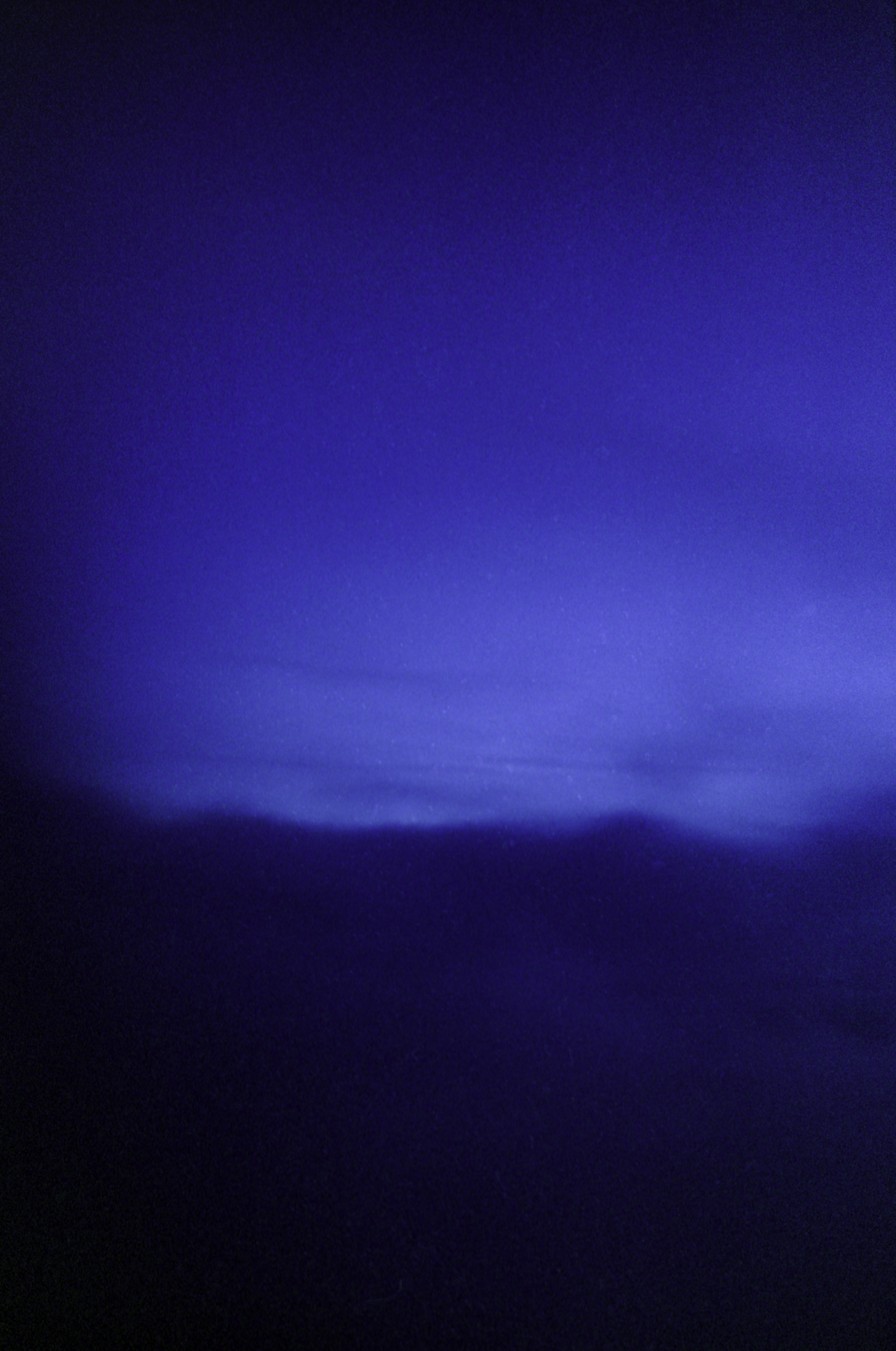
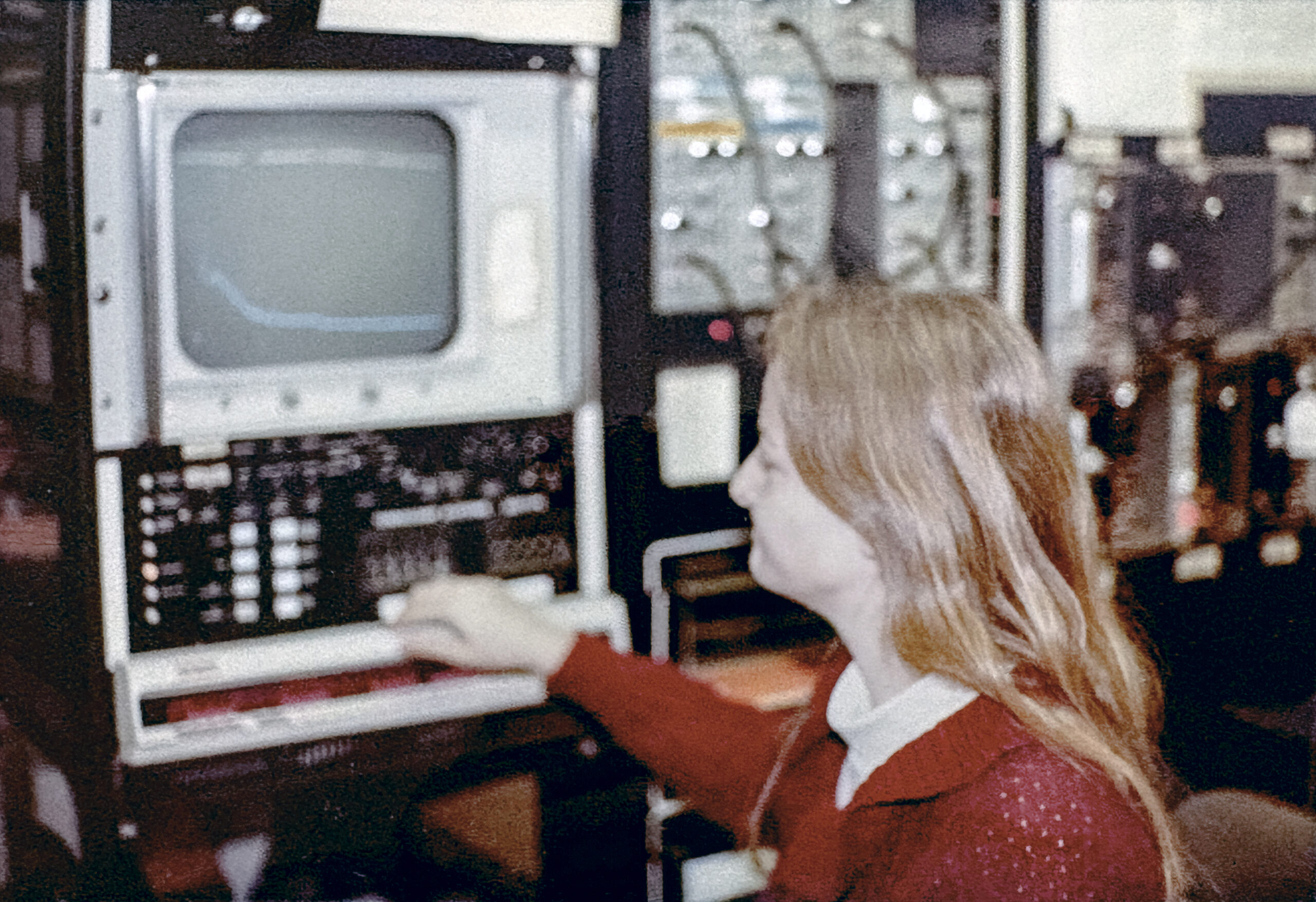
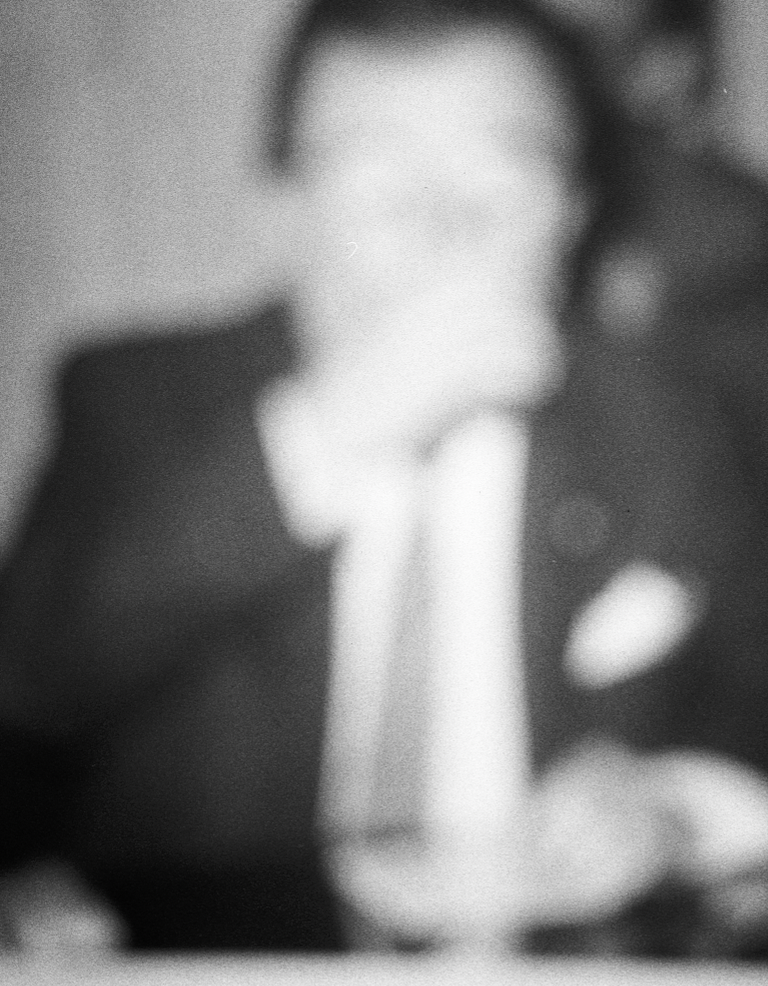
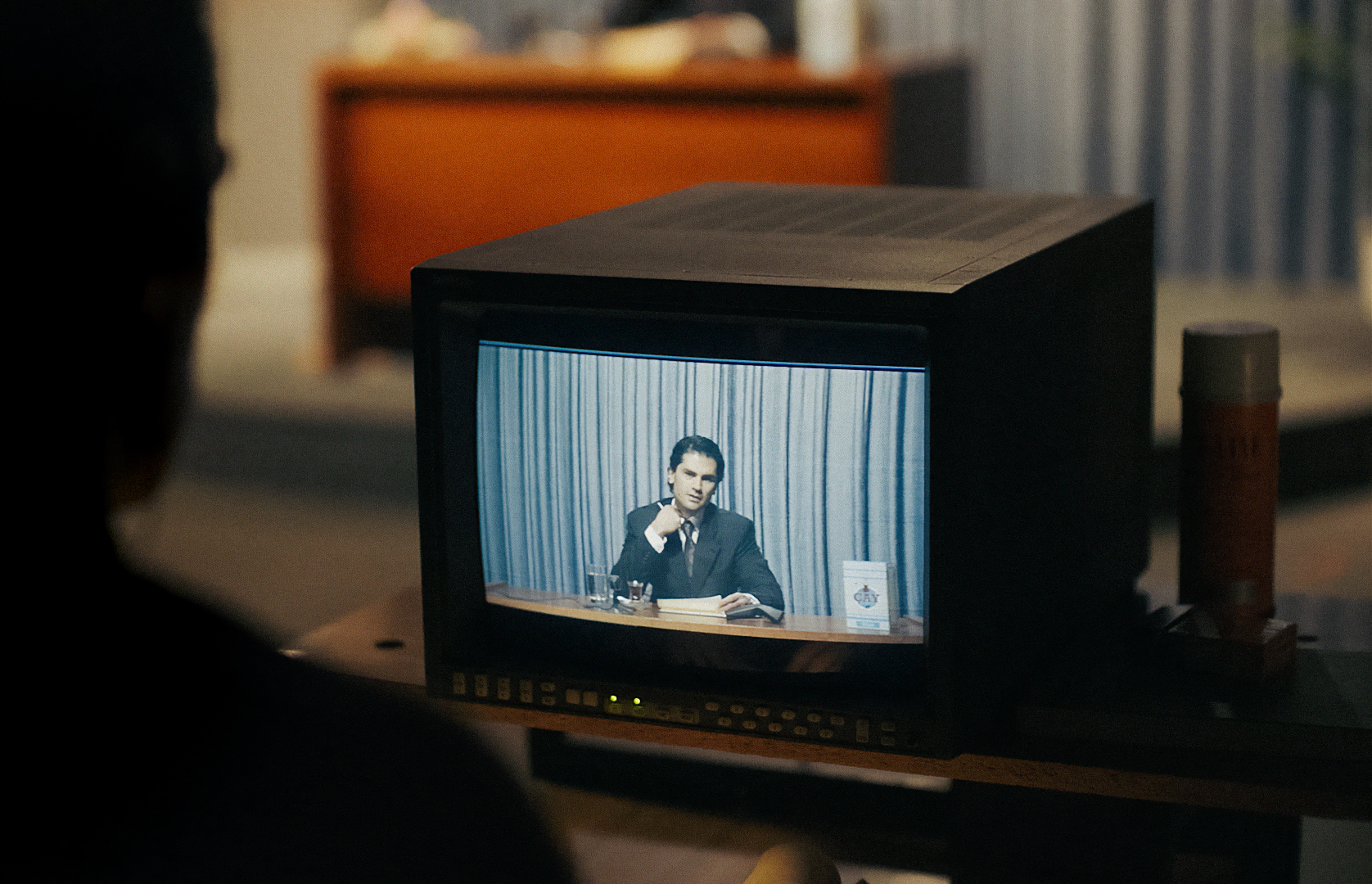
Staging three fragments from this major episode in Turkey’s nuclear history, the exhibition establishes a dialogue between narrative and evidence by blending fictional and documentary elements. The first part features a spatial fragment from METU, where the contamination in tea was first identified, alongside a documentary based on the account of İnci and Ali Gökmen. Set in a television studio, the second section reflects the intertwined relationships between media, state apparatuses, and bureaucracy. At the center of this installation is a short film inspired by news reports that construct a fictional image of the Black Sea while downplaying the level of radioactive material in the tea. Situated behind these two sets, the final part comprises photographs that seep through them, capturing the traces of the Chernobyl disaster in Turkey.
Tracing the movement of radiation through natural and institutional systems, these three scenes reveal how environmental harm—though invisible and slow—has shaped public health, policy, and societal narratives. They also remind us that radiation can never be fully consigned to the past: it belongs neither to a single generation nor to a specific geography. Just as radiation carried by clouds and seeping into the ground is transmitted to the present through the soil, the images of this incident continue to circulate in personal and collective memory.