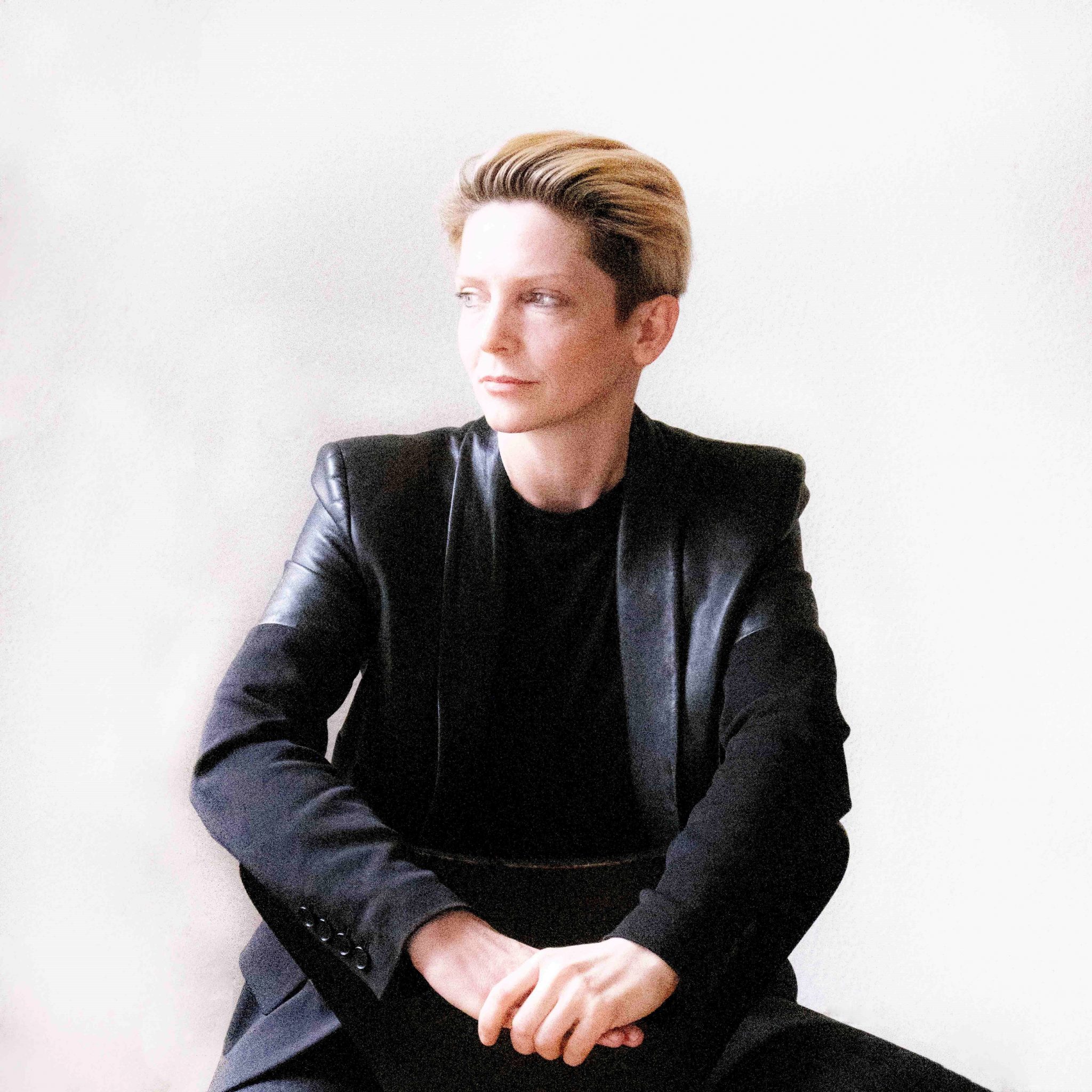
Discipline: Cultural Theory + Journalism

Art, Memory Work, and State Violence – Panel Discussion with Banu Karaca, Stellan Veloce & Tunay Önder
Date 13. January 2026
Discipline Cultural Theory + Journalism

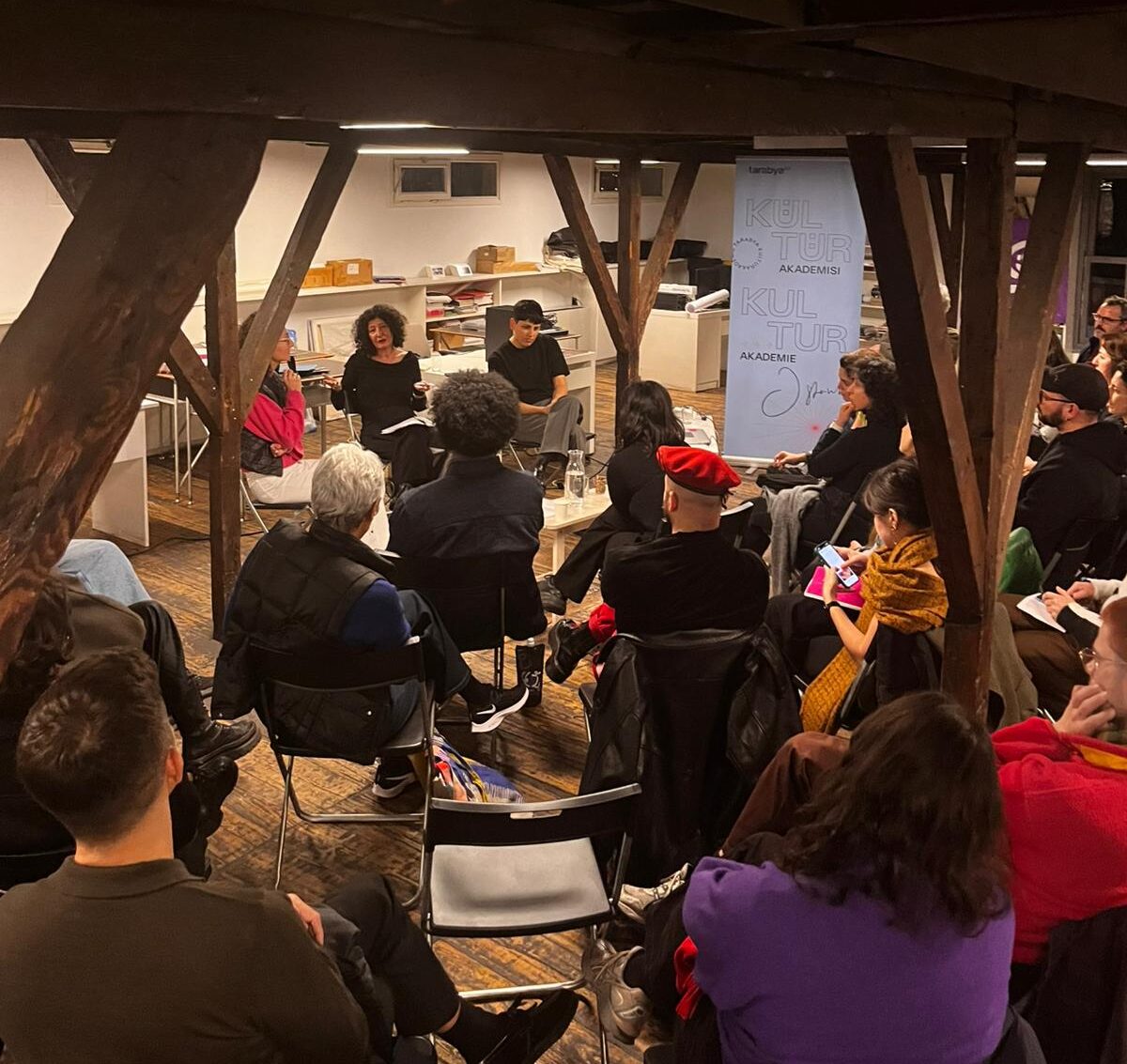
On January 13, 2026, the panel discussion Art, Memory Work, and State Violence took place at Depo in Istanbul, featuring Tarabya Cultural Academy fellows Stellan Veloce and Tunay Önder alongside cultural studies scholar Banu Karaca. The event brought together perspectives from academia and artistic practice to reflect on the interrelations between art, political memory, and state violence in Germany and Türkiye.

The discussion was anchored in Karaca’s book The National Frame: Art and State Violence in Turkey and Germany (2021), which examines, through numerous examples from Berlin and Istanbul, the close entanglement of modern and contemporary art with nation-state power structures. For the two fellows, the book served as an important impulse to critically reflect on their own experiences during their stay in Istanbul.

Historical as well as contemporary cases of censorship, repression, and political interference in cultural production were addressed. Drawing on concrete examples, the participants discussed how power relations determine which voices gain visibility and which remain marginalized.

The conversation was complemented by a musical performance by Stellan Veloce inspired by Karaca’s work and a literary contribution by Tunay Önder, which deepened the thematic questions on an artistic level.

The panel opened up a nuanced exchange on agency, institutional dependencies, and resistant practices within the art and cultural scenes of both countries, highlighting how closely artistic production is intertwined with social and political frameworks.

Read more Less

Birsen Kahraman

Year 2025
Discipline Cultural Theory + Journalism

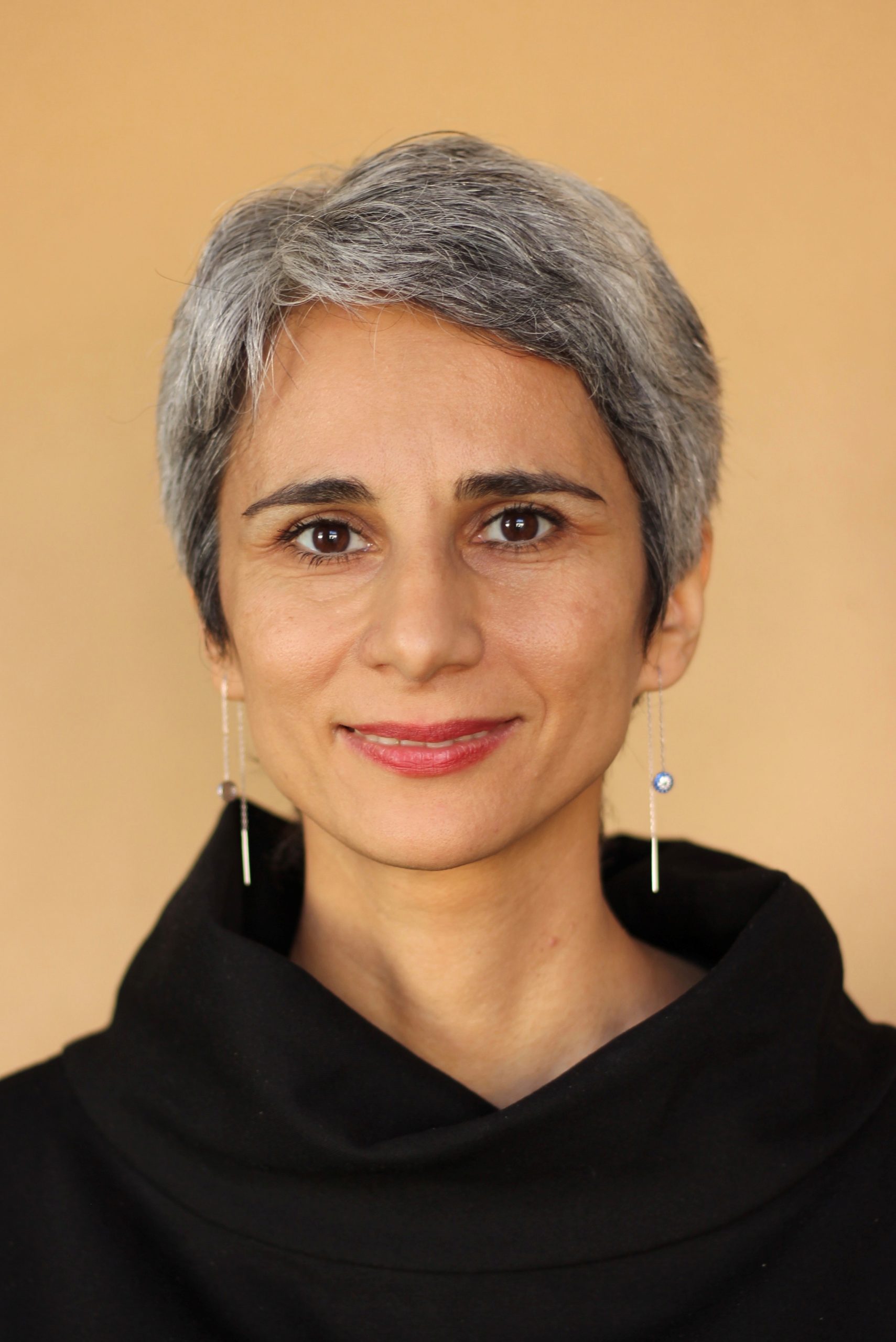
Birsen Kahraman is a psychotherapist, supervisor, and author. She is also involved in psychotherapeutic training and professional policy. She studied psychology, journalism, and cultural studies at the University of Hamburg and at Cornell University in Ithaca, New York. She received her doctorate in 2006 at the Ludwig Maximilian University in Munich with a dissertation on cultural and power sensitivity in the therapeutic relationship. Before setting up her own practice, she worked for various psychosocial care institutions such as the Rechts der Isar hospital clinic in Munich, the department of migrant psychological services at the Worker’s Welfare Association (AWO) in Munich, Refugio München, and the Eichstätt Catholic University. She continues to work at numerous state-accredited psychotherapy training institutions.

Kahraman specializes in the practice and teaching of anti-racist and context-sensitive psychotherapy, with an emphasis on (structural) discrimination and violence, transgenerational trauma, migration, and displacement. As an elected member of the German Chamber of Psychotherapists since 2017, she advocates for the identification and removal of barriers in patient care and for equal opportunities in access to psychotherapeutic education and professions.

Birsen Kahraman is in residence at the Tarabya Cultural Academy from November 2025 to January 2026.
Year 2025
Discipline Cultural Theory + Journalism

Birsen Kahraman is a psychotherapist, supervisor, and author. She is also involved in psychotherapeutic training and professional policy. She studied psychology, journalism, and cultural studies at the University of Hamburg and at Cornell University in Ithaca, New York. She received her doctorate in 2006 at the Ludwig Maximilian University in Munich with a dissertation on cultural and power sensitivity in the therapeutic relationship. Before setting up her own practice, she worked for various psychosocial care institutions such as the Rechts der Isar hospital clinic in Munich, the department of migrant psychological services at the Worker’s Welfare Association (AWO) in Munich, Refugio München, and the Eichstätt Catholic University. She continues to work at numerous state-accredited psychotherapy training institutions.

Kahraman specializes in the practice and teaching of anti-racist and context-sensitive psychotherapy, with an emphasis on (structural) discrimination and violence, transgenerational trauma, migration, and displacement. As an elected member of the German Chamber of Psychotherapists since 2017, she advocates for the identification and removal of barriers in patient care and for equal opportunities in access to psychotherapeutic education and professions.

Birsen Kahraman is in residence at the Tarabya Cultural Academy from November 2025 to January 2026.
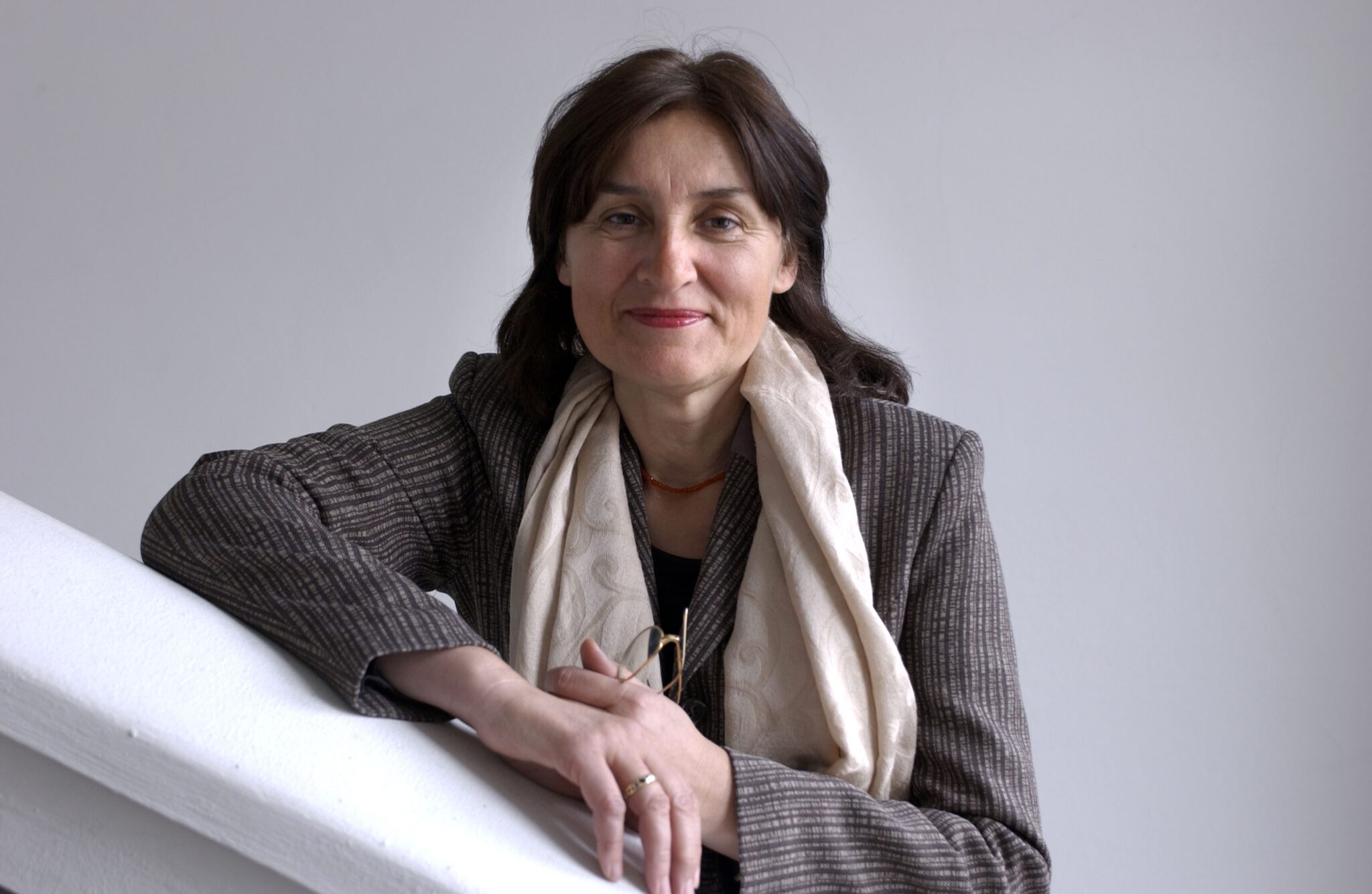
Shulamit Bruckstein Çoruh

Year 2019
Discipline Cultural Theory + Journalism

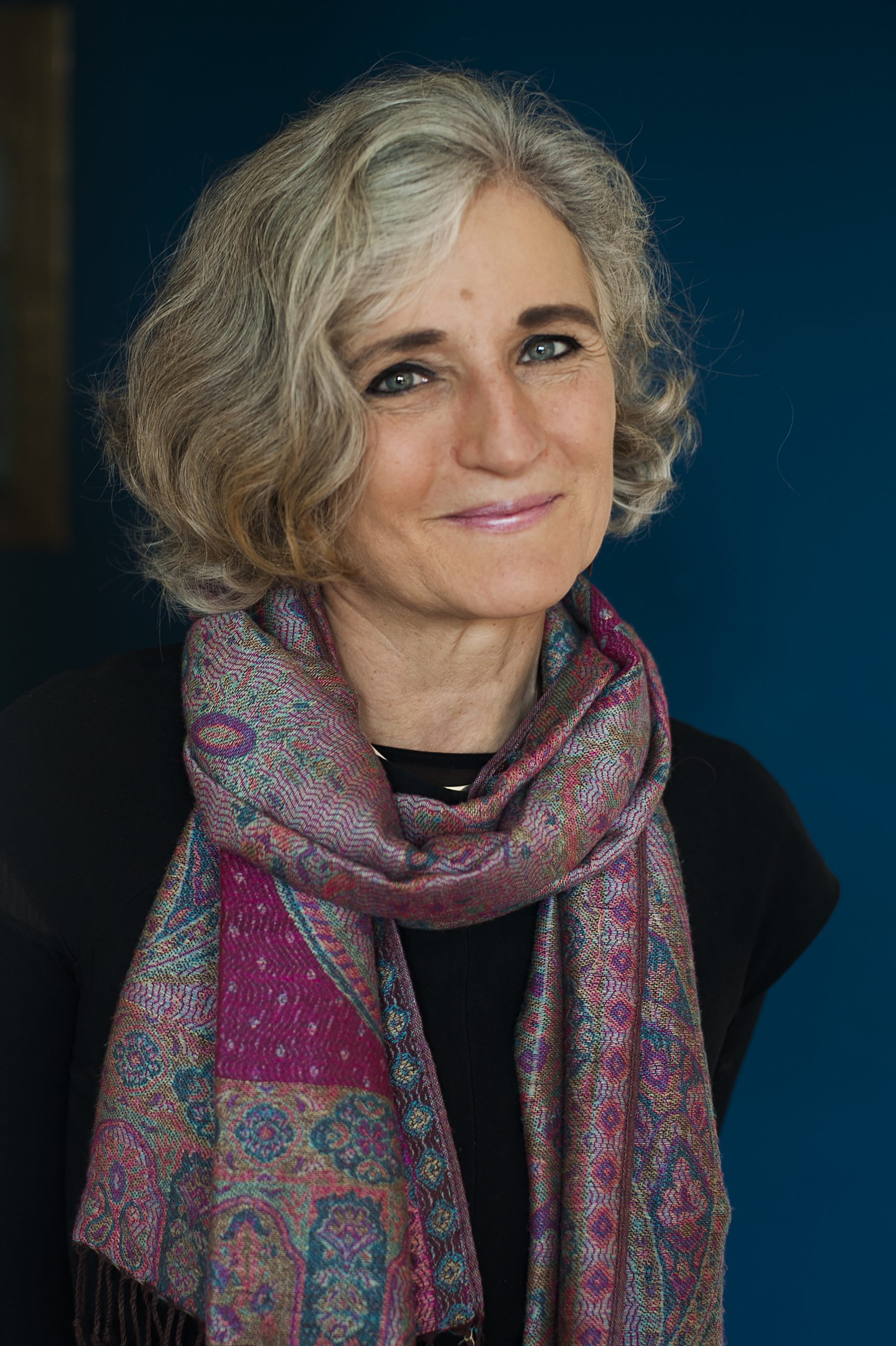
Shulamit Bruckstein Çoruh, a.k.a. Almút Sh. Bruckstein is a thinker, curator, theorist, author and art critic. She is the author of House of Taswir – Doing and Undoing Things: Notes on Epistemic Architecture (s) and founder of House of Taswir, a.k.a. Taswir projects, an international platform for artistic research and diasporic forms of thinking. Bruckstein has held professorships for philosophy and cultural theory in Berlin, Jerusalem and Basel. She has curated international exhibitions such as Taswir. Pictorial Mappings of Islam and Modernism at Martin-Gropius-Bau, Berlin (2009) and Wednesday Society. The Couch of Meret O. as part of the 16th International Istanbul Biennale (2019). Her open work installation Meine Kleine Mnemosnye (My Little Mnemosnye) in Berlin combines the format of an art and thinking space with the traditions of the salon, the Jewish school, the suq and the private cabinet. In 2021, she conducted in this thinking space an eleven-part series of talks with guests from the fields of art, philosophy and psychoanalysis on the topic of “Salon of Empty Spaces: Voices of Jewish Intellectuality”. She lives and works in Berlin and Istanbul.

Shulamit Bruckstein Çoruh was a resident at Tarabya Cultural Academy from September 2018 to April 2019.

Year 2019
Discipline Cultural Theory + Journalism

Shulamit Bruckstein Çoruh, a.k.a. Almút Sh. Bruckstein is a thinker, curator, theorist, author and art critic. She is the author of House of Taswir – Doing and Undoing Things: Notes on Epistemic Architecture (s) and founder of House of Taswir, a.k.a. Taswir projects, an international platform for artistic research and diasporic forms of thinking. Bruckstein has held professorships for philosophy and cultural theory in Berlin, Jerusalem and Basel. She has curated international exhibitions such as Taswir. Pictorial Mappings of Islam and Modernism at Martin-Gropius-Bau, Berlin (2009) and Wednesday Society. The Couch of Meret O. as part of the 16th International Istanbul Biennale (2019). Her open work installation Meine Kleine Mnemosnye (My Little Mnemosnye) in Berlin combines the format of an art and thinking space with the traditions of the salon, the Jewish school, the suq and the private cabinet. In 2021, she conducted in this thinking space an eleven-part series of talks with guests from the fields of art, philosophy and psychoanalysis on the topic of “Salon of Empty Spaces: Voices of Jewish Intellectuality”. She lives and works in Berlin and Istanbul.

Shulamit Bruckstein Çoruh was a resident at Tarabya Cultural Academy from September 2018 to April 2019.

Christiane Schlötzer

Year 2020
Discipline Cultural Theory + Journalism

Christiane Schlötzer studied journalism and first worked as a political editor at the German News Agency. In 1992 she moved to the Süddeutsche Zeitung, for which she initially worked in Munich, Bonn, and Berlin, before going on to Istanbul for the first time in 2001 as a foreign correspondent for both the SZ and Zurich Tages-Anzeigers. As a reporter, she toured many regions not only of Turkey, but also of Greece and Cyprus. All in all, she spent more than ten years on the Bosporus. In 1993 she founded the non-governmental organization Journalists Help Journalists, which provides emergency aid for journalists and their families in war and crisis areas. Her book Istanbul – ein Tag und eine Nacht. Ein Portrait der Stadt in 24 Begegnungen am Bosporus (Istanbul – A Day and a Night. Portrait of a city in 24 encounters on the Bosporus) will be published by Berenberg in Berlin on September 21, 2021. The book is based on research she conducted during her stay at Tarabya Cultural Academy. Schlötzer lives in Munich.

Christiane Schlötzer was a resident at Tarabya Cultural Academy from October 2020 to February 2021.

Year 2020
Discipline Cultural Theory + Journalism
Christiane Schlötzer

Christiane Schlötzer studied journalism and first worked as a political editor at the German News Agency. In 1992 she moved to the Süddeutsche Zeitung, for which she initially worked in Munich, Bonn, and Berlin, before going on to Istanbul for the first time in 2001 as a foreign correspondent for both the SZ and Zurich Tages-Anzeigers. As a reporter, she toured many regions not only of Turkey, but also of Greece and Cyprus. All in all, she spent more than ten years on the Bosporus. In 1993 she founded the non-governmental organization Journalists Help Journalists, which provides emergency aid for journalists and their families in war and crisis areas. Her book Istanbul – ein Tag und eine Nacht. Ein Portrait der Stadt in 24 Begegnungen am Bosporus (Istanbul – A Day and a Night. Portrait of a city in 24 encounters on the Bosporus) will be published by Berenberg in Berlin on September 21, 2021. The book is based on research she conducted during her stay at Tarabya Cultural Academy. Schlötzer lives in Munich.

Christiane Schlötzer was a resident at Tarabya Cultural Academy from October 2020 to February 2021.

Ulrich Gutmair

Year 2020
Discipline Cultural Theory + Journalism

Ulrich Gutmair studied history and journalism at the Free University of Berlin. He has been writing about history, pop culture and literature for daily newspapers and magazines for over twenty years. Gutmair has been the culture editor of the taz since 2007. In his book Die ersten Tage von Berlin. Der Sound der Wende (The First Days of Berlin. The Sound of Change), published by Klett-Cotta in 2018, he portrays the anarchic years in the city after 1989. He lives and works in Berlin.

Ulrich Gutmair was a resident at Tarabya Cultural Academy from October 2019 to January 2020 and from July to August 2020. He was again in Tarbaya in May 2022.

Year 2020
Discipline Cultural Theory + Journalism

Ulrich Gutmair studied history and journalism at the Free University of Berlin. He has been writing about history, pop culture and literature for daily newspapers and magazines for over twenty years. Gutmair has been the culture editor of the taz since 2007. In his book Die ersten Tage von Berlin. Der Sound der Wende (The First Days of Berlin. The Sound of Change), published by Klett-Cotta in 2018, he portrays the anarchic years in the city after 1989. He lives and works in Berlin.

Ulrich Gutmair was a resident at Tarabya Cultural Academy from October 2019 to January 2020 and from July to August 2020. He was again in Tarbaya in May 2022.

Gürsoy Doğtaş

Year 2021
Discipline Cultural Theory + Journalism

Gürsoy Doğtaş is an art historian, publicist and curator who works at the intersection of institutional criticism, structural racism and queer studies. He did his doctorate at the LMU Munich on Chantal Mouffe’s theory of democracy in the exhibition discourse of the biennials (2020). He has been giving lectures and talks since 2014. Doğtaş curated the discursive program Public Art Munich (2018) and exhibitions such as Die kalte Libido im Haus der Kunst, Munich (2015) and The dress does not fit, Charim Galerie, Vienna (2013). From 2007 to 2013 he was the editor of the Artistzine Matt Magazine. As part of the ICI (Independent Curators International) in New York, he co-edited the publication The Politics of the Melancholic Voice – Zeki Müren’s ‘Kahır Mektubu’ (Letter of Sorrow) about the culture-specific melancholy of the Turkish singer Zeki Müren. In 2017 he was invited by the Wiener Festwochen to his novel project Zeki Müren – The exhibited life (An unauthorized biography).

Gürsoy Doğtaş was resident of the Tarabya Cultural Academy from April to May 2021 and again from August to September 2021.

Year 2021
Discipline Cultural Theory + Journalism

Gürsoy Doğtaş is an art historian, publicist and curator who works at the intersection of institutional criticism, structural racism and queer studies. He did his doctorate at the LMU Munich on Chantal Mouffe’s theory of democracy in the exhibition discourse of the biennials (2020). He has been giving lectures and talks since 2014. Doğtaş curated the discursive program Public Art Munich (2018) and exhibitions such as Die kalte Libido im Haus der Kunst, Munich (2015) and The dress does not fit, Charim Galerie, Vienna (2013). From 2007 to 2013 he was the editor of the Artistzine Matt Magazine. As part of the ICI (Independent Curators International) in New York, he co-edited the publication The Politics of the Melancholic Voice – Zeki Müren’s ‘Kahır Mektubu’ (Letter of Sorrow) about the culture-specific melancholy of the Turkish singer Zeki Müren. In 2017 he was invited by the Wiener Festwochen to his novel project Zeki Müren – The exhibited life (An unauthorized biography).

Gürsoy Doğtaş was resident of the Tarabya Cultural Academy from April to May 2021 and again from August to September 2021.

Stefan Weidner

Year 2021
Discipline Cultural Theory + Journalism

Stefan Weidner, born in 1967 in Cologne, became interested in languages, literatures, philosophy and the Near and Middle East at an early age. He studied philosophy and Arabic in Göttingen, Damascus, Berkeley, and Bonn. Since then he has published numerous translations of Arabic poetry and his own essays, articles and reviews on oriental literatures and cultural reporting from the region. His own narrative-essayistic work includes the books Mohammedanische Versuchungen (Mohammedan Temptations) (2004), Fes (2006), Ins Griechenland des Ostens (In the Greece of the East) (2014), and Fluchthelferin Poesie (Escape Aid Poetry) (2017). In 2001–2016 he was editor-in-chief of the cultural magazine of the Goethe-Institut Fikrun wa Fann (published in Arabic, English, Farsi, and German). Since 2017 he has been a freelance writer in Cologne. Most recently, he has published Jenseits des Westens (Beyond the West) (2018), 1001 Buch (1001 Book) (2019), and Ground Zero (2021). He has received numerous awards, including the Clemens Brentano Prize (2006), Johann Heinrich Voß Prize (2007), Paul Scheerbart Prize (2014), and Sheikh Hamad Prize (2018).

Stefan Weidner was a resident at Tarabya Cultural Academy from February to May 2020 and again from October to November 2021.

Year 2021
Discipline Cultural Theory + Journalism

Stefan Weidner, born in 1967 in Cologne, became interested in languages, literatures, philosophy and the Near and Middle East at an early age. He studied philosophy and Arabic in Göttingen, Damascus, Berkeley, and Bonn. Since then he has published numerous translations of Arabic poetry and his own essays, articles and reviews on oriental literatures and cultural reporting from the region. His own narrative-essayistic work includes the books Mohammedanische Versuchungen (Mohammedan Temptations) (2004), Fes (2006), Ins Griechenland des Ostens (In the Greece of the East) (2014), and Fluchthelferin Poesie (Escape Aid Poetry) (2017). In 2001–2016 he was editor-in-chief of the cultural magazine of the Goethe-Institut Fikrun wa Fann (published in Arabic, English, Farsi, and German). Since 2017 he has been a freelance writer in Cologne. Most recently, he has published Jenseits des Westens (Beyond the West) (2018), 1001 Buch (1001 Book) (2019), and Ground Zero (2021). He has received numerous awards, including the Clemens Brentano Prize (2006), Johann Heinrich Voß Prize (2007), Paul Scheerbart Prize (2014), and Sheikh Hamad Prize (2018).

Stefan Weidner was a resident at Tarabya Cultural Academy from February to May 2020 and again from October to November 2021.

Olga Vostretsova

Year 2022
Discipline Cultural Theory + Journalism

Olga Vostretsova who was born in Novosibirsk, lives and works as a freelance curator in Leipzig. She studied Cultures of the Curatorial (2013) at the HGB Leipzig and was in charge of its university gallery in 2016-2017; in 2018-2019 she continued her work at the Burg Giebichenstein Kunsthochschule Halle. She is the co-founder of two art associations in Leipzig: Бükü – Büro für kulturelle Übersetzungen and KV –– Leipzig. She has initiated and curated numerous international contemporary art exhibition projects, most recently disturbance: witch (2020) at ZAK in the Zitadelle Berlin and Multilpiers’ Exile (2021) with the group El Flasherito from Buenos Aires in Leipzig. She is currently acting as coordinator of the project Dig it? Prototypes for the Museum at the GfZK Leipzig and artistic associate in the DAAD project at the HGB Leipzig and the ASFA Athens p o s t documenta: contemporary arts as territorial agencies. Vostretsova has held both research and residency fellowships in Tbilisi, Georgia (2014); Prague, Czech Republic (2015); Bad Ems, Germany (2017-2018); Buenos Aires, Argentina; and in Santiago de Chile (2019).

Olga Vostretsova was a resident at the Tarabya Cultural Academy from December 2021 to March 2022.

Year 2022
Discipline Cultural Theory + Journalism

Olga Vostretsova who was born in Novosibirsk, lives and works as a freelance curator in Leipzig. She studied Cultures of the Curatorial (2013) at the HGB Leipzig and was in charge of its university gallery in 2016-2017; in 2018-2019 she continued her work at the Burg Giebichenstein Kunsthochschule Halle. She is the co-founder of two art associations in Leipzig: Бükü – Büro für kulturelle Übersetzungen and KV –– Leipzig. She has initiated and curated numerous international contemporary art exhibition projects, most recently disturbance: witch (2020) at ZAK in the Zitadelle Berlin and Multilpiers’ Exile (2021) with the group El Flasherito from Buenos Aires in Leipzig. She is currently acting as coordinator of the project Dig it? Prototypes for the Museum at the GfZK Leipzig and artistic associate in the DAAD project at the HGB Leipzig and the ASFA Athens p o s t documenta: contemporary arts as territorial agencies. Vostretsova has held both research and residency fellowships in Tbilisi, Georgia (2014); Prague, Czech Republic (2015); Bad Ems, Germany (2017-2018); Buenos Aires, Argentina; and in Santiago de Chile (2019).

Olga Vostretsova was a resident at the Tarabya Cultural Academy from December 2021 to March 2022.

David Ranan

Year 2022
Discipline Cultural Theory + Journalism

David Ranan was born into a family that left Germany in 1933 and emigrated to Palestine. He grew up, received his education and began his professional life as an economist in Israel. About forty years ago he moved to London, where he continued his studies a few years later, earning a doctorate in cultural and political science. Ranan divides his time between Germany and England.

Books published in Germany:
LANGUAGE VIOLENCE: Abused words and other political campaign terms, (ed.) (Dietz Verlag, 2021)
Muslim anti-Semitism – A threat to social peace in Germany? (Dietz Verlag, 2018)
The shadows of the past are still long – Young Jews about their life in Germany, (Nicolai Verlag, 2014)
“Is it still good for our country to die?” – Young Israelis on their service in the army, (Nicolai Verlag, 2011)

David Ranan was a resident at the Tarabya Cultural Academy from August to November 2022.

Year 2022
Discipline Cultural Theory + Journalism

David Ranan was born into a family that left Germany in 1933 and emigrated to Palestine. He grew up, received his education and began his professional life as an economist in Israel. About forty years ago he moved to London, where he continued his studies a few years later, earning a doctorate in cultural and political science. Ranan divides his time between Germany and England.

Books published in Germany:
LANGUAGE VIOLENCE: Abused words and other political campaign terms, (ed.) (Dietz Verlag, 2021)
Muslim anti-Semitism – A threat to social peace in Germany? (Dietz Verlag, 2018)
The shadows of the past are still long – Young Jews about their life in Germany, (Nicolai Verlag, 2014)
“Is it still good for our country to die?” – Young Israelis on their service in the army, (Nicolai Verlag, 2011)

David Ranan was a resident at the Tarabya Cultural Academy from August to November 2022.

Sonja Lau

Year 2022
Discipline Cultural Theory + Journalism

Sonja Lau works as a freelance curator, writer and lecturer with a focus on the relationship between art, power and history, mechanisms of art history production and curating as a performative and artistic practice. After her MA (Chelsea College of Art and Design, London), she was a Fellow of the Alfred Toepfer F.V.S. and the Robert Bosch Stiftung (Tirana, Albania, 2008-10 and 2011-13), Curatorial Fellow at the Jan Van Eyck Academy, Maastricht, and is a member of the ICI – Independent Curators International, New York.

Past exhibitions and projects include Kunsthalle Düsseldorf (Zusammenhang Gesamtkunstwerk, 2015), Deutsches Hygiene-Museum, Dresden (Der Zaudernde Körper, 2013), National Theatre Tirana (Fiend. The 21 Seconds piece, with Armando Lulaj and John Tilbury); Opera Village Africa (Von der Kunst, die Waffen gegen sich selbst zu wenden, with Friedrich von Borries, Clémentine Deliss, and Ariane Müller, 2020); in addition to interventions and actions such as Try… Again… Better. Cornelius Cardew in Tirana, 2012, Tirana Historical Museum; Repaintings, together with André Siegers, 2008, National Gallery Tirana. Her reviews and essays have been published in, among others, Texte zu Kunst, Cabinet Magazine, Arts of the Working Class, or in the catalogue 10 Jahre Operndorf Afrika (Spector Books, 2021).

Currently, Lau is researching and working on the evaluation of femininity in contemporary jurisprudence (re: von der poesie im recht, 2021, Studio Bethanien, with Nika Dubrovsky, Dominique Hurth, Silvia Federici, et al.), and is the author of the taz blog Die Pflicht zum weiblichen Ungehorsam, which deals with the legal evaluation of female perpetration. She is currently preparing an exhibition on this topic at Kunstraum Kreuzberg (November 2022), as well as a publication project that will have its start at the Tarabya Cultural Academy.

Sonja Lau was a resident at the Tarabya Cultural Academy from April to July 2022.

Year 2022
Discipline Cultural Theory + Journalism

Sonja Lau works as a freelance curator, writer and lecturer with a focus on the relationship between art, power and history, mechanisms of art history production and curating as a performative and artistic practice. After her MA (Chelsea College of Art and Design, London), she was a Fellow of the Alfred Toepfer F.V.S. and the Robert Bosch Stiftung (Tirana, Albania, 2008-10 and 2011-13), Curatorial Fellow at the Jan Van Eyck Academy, Maastricht, and is a member of the ICI – Independent Curators International, New York.

Past exhibitions and projects include Kunsthalle Düsseldorf (Zusammenhang Gesamtkunstwerk, 2015), Deutsches Hygiene-Museum, Dresden (Der Zaudernde Körper, 2013), National Theatre Tirana (Fiend. The 21 Seconds piece, with Armando Lulaj and John Tilbury); Opera Village Africa (Von der Kunst, die Waffen gegen sich selbst zu wenden, with Friedrich von Borries, Clémentine Deliss, and Ariane Müller, 2020); in addition to interventions and actions such as Try… Again… Better. Cornelius Cardew in Tirana, 2012, Tirana Historical Museum; Repaintings, together with André Siegers, 2008, National Gallery Tirana. Her reviews and essays have been published in, among others, Texte zu Kunst, Cabinet Magazine, Arts of the Working Class, or in the catalogue 10 Jahre Operndorf Afrika (Spector Books, 2021).

Currently, Lau is researching and working on the evaluation of femininity in contemporary jurisprudence (re: von der poesie im recht, 2021, Studio Bethanien, with Nika Dubrovsky, Dominique Hurth, Silvia Federici, et al.), and is the author of the taz blog Die Pflicht zum weiblichen Ungehorsam, which deals with the legal evaluation of female perpetration. She is currently preparing an exhibition on this topic at Kunstraum Kreuzberg (November 2022), as well as a publication project that will have its start at the Tarabya Cultural Academy.

Sonja Lau was a resident at the Tarabya Cultural Academy from April to July 2022.