Discipline: Film

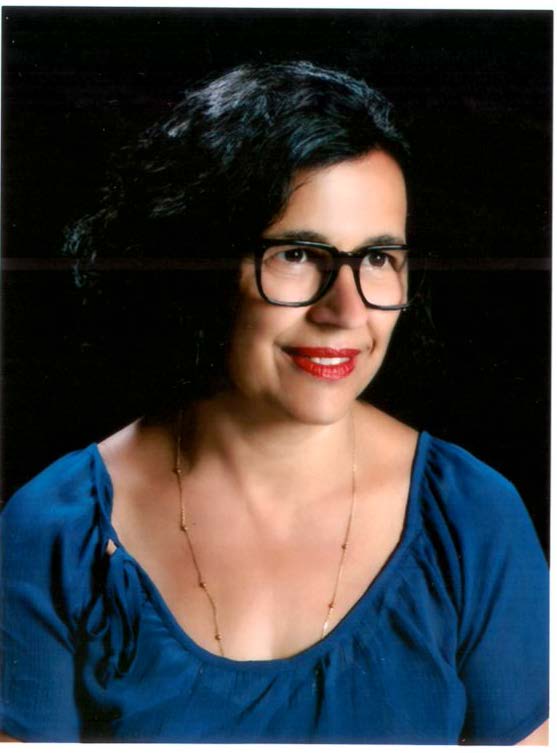
Eva Trobisch

Year 2026
Discipline Film

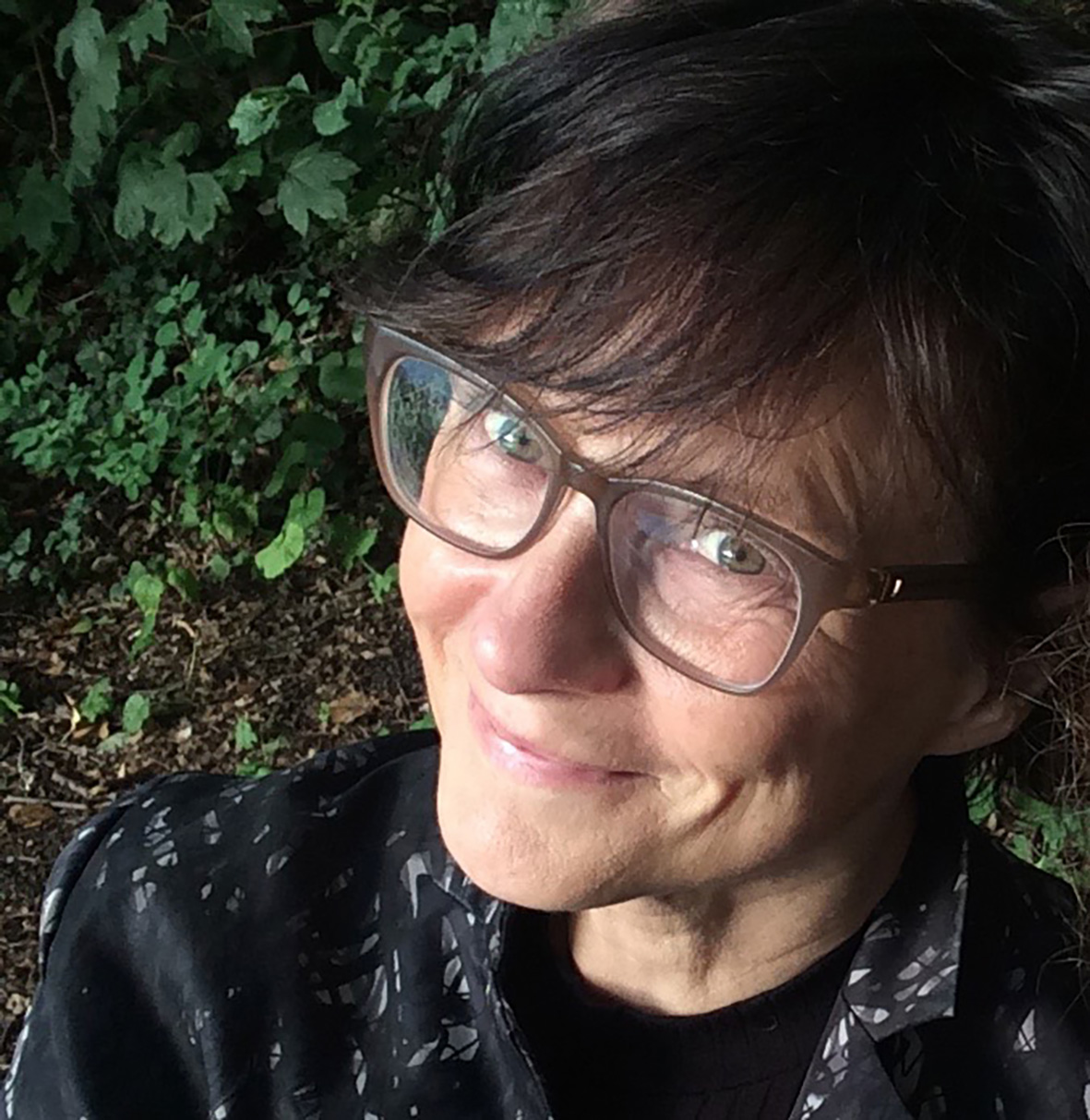
Eva Trobischwas born in East-Berlin. She writes and directs theatre plays and films, is part of the Munich-based production company TRIMAFILM, and lives in Berlin. In 2009, she started at Munichs Hochschule für Fernsehen und Film to study film direction. Trobisch attended NYU Tisch School of the Arts for creative writing before enrolling in the London Film Schoolmaster’s degree program for screenwriting in 2015. Her first feature film, ALLES IST GUTpremiered in Locarno and won Best First Picture. Following this, ALLES IST GUT received numerous other accolades, such as the Woman in Motion Award in Cannes and the German Film Critics Award. She presented her first stage productionPenthesilea in 2021 at the Baseler Theater. Her second feature film called IVO, was screened at the 2024 Encounters competition in Berlinale, where she received the Heiner-Carow Prize. For IVO she was included by Variety in their 10 directors to watch” list and in 2024 she was named ambassador for German Films FacetoFace campaign with the same filmHer third film, HOME STORIES, was invited to compete at the 76th Berlinale in 2026. 

Eva Trobisch is in residence at the Tarabya Cultural Academy from February to May 2026.

Year 2026
Discipline Film
© Marcus Höhn

Eva Trobischwas born in East-Berlin. She writes and directs theatre plays and films, is part of the Munich-based production company TRIMAFILM, and lives in Berlin. In 2009, she started at Munichs Hochschule für Fernsehen und Film to study film direction. Trobisch attended NYU Tisch School of the Arts for creative writing before enrolling in the London Film Schoolmaster’s degree program for screenwriting in 2015. Her first feature film, ALLES IST GUTpremiered in Locarno and won Best First Picture. Following this, ALLES IST GUT received numerous other accolades, such as the Woman in Motion Award in Cannes and the German Film Critics Award. She presented her first stage productionPenthesilea in 2021 at the Baseler Theater. Her second feature film called IVO, was screened at the 2024 Encounters competition in Berlinale, where she received the Heiner-Carow Prize. For IVO she was included by Variety in their 10 directors to watch” list and in 2024 she was named ambassador for German Films FacetoFace campaign with the same filmHer third film, HOME STORIES, was invited to compete at the 76th Berlinale in 2026. 

Eva Trobisch is in residence at the Tarabya Cultural Academy from February to May 2026.

Maïssa Lihedheb

Year 2025
Discipline Film

Maïssa Lihedheb, a Tunisian-German filmmaker, author, and curator, works between Germany, Tunisia, and the United States. Born and raised in Germany to Tunisian

immigrants, she earned her bachelor’s degree in media and entertainment management with a thesis on “Symbolic Destruction in Mass Media and its Impact on the Identity of First-Generation Immigrants”. She then earned her master’s in film at NYU’s Tisch School of the Arts. In 2020, she founded the BIPOC Film Society in Berlin, a collective dedicated to promoting intersectionality and questioning the dominance of white, male, heteronormative perspectives in film and film criticism.

Maïssa Lihedhebs’ works are distinguished by their dark humour, feminist horror elements, and sociopolitical critiques. She has directed and produced 13 short films, one documentary film (Ramadan in a Day for SWR/ARD), and one television series (Wir for ZDFneo, for which she directed four episodes). In 2024, she directed a segment of a Coldplay music video. In 2022, her short film Hundefreund premiered at the Tribeca Film Festival and the BFI London Film Festival, won the Best Film Prize at the Interfilm Festival in Berlin, and was nominated for the German Short Film Prize. Her most recent short films include New York Woman, which premiered in 2025 at the Tribeca Film Festival, and Samra’s Dollhouse, which premiered at the Palm Springs International ShortFest. She is also an Ang Lee Scholar and the recipient of a DAAD fellowship.

Maïssa Lihedheb is in residence at the Tarabya Cultural Academy from October 2025 to January 2026.

Year 2025
Discipline Film

Maïssa Lihedheb, a Tunisian-German filmmaker, author, and curator, works between Germany, Tunisia, and the United States. Born and raised in Germany to Tunisian

immigrants, she earned her bachelor’s degree in media and entertainment management with a thesis on “Symbolic Destruction in Mass Media and its Impact on the Identity of First-Generation Immigrants”. She then earned her master’s in film at NYU’s Tisch School of the Arts. In 2020, she founded the BIPOC Film Society in Berlin, a collective dedicated to promoting intersectionality and questioning the dominance of white, male, heteronormative perspectives in film and film criticism.

Maïssa Lihedhebs’ works are distinguished by their dark humour, feminist horror elements, and sociopolitical critiques. She has directed and produced 13 short films, one documentary film (Ramadan in a Day for SWR/ARD), and one television series (Wir for ZDFneo, for which she directed four episodes). In 2024, she directed a segment of a Coldplay music video. In 2022, her short film Hundefreund premiered at the Tribeca Film Festival and the BFI London Film Festival, won the Best Film Prize at the Interfilm Festival in Berlin, and was nominated for the German Short Film Prize. Her most recent short films include New York Woman, which premiered in 2025 at the Tribeca Film Festival, and Samra’s Dollhouse, which premiered at the Palm Springs International ShortFest. She is also an Ang Lee Scholar and the recipient of a DAAD fellowship.

Maïssa Lihedheb is in residence at the Tarabya Cultural Academy from October 2025 to January 2026.

Jim Rakete

Year 2013
Discipline Film

Jim Rakete, born in 1951 in Berlin, is a German photographer, photojournalist, filmmaker, author, and producer. He is best-known for his portrait photographs, mostly in black and white. He has photographed numerous personalities from the German and international music, film, and political scenes. From 1977 to 1987, Rakete ran an ideas factory in Berlin. During this time he not only photographed many covers featuring musicians of the New German Wave, but he also worked as a band manager. The best-known of the artists and bands looked after by him include Nina Hagen, Nena, Spliff, Interzone, Sternhagel, Morgenrot, and Die Ärzte. After many years of commuting between Los Angeles and Hamburg, Rakete returned to Berlin in 2001, where he has lived since then. In 2018 he received the Cross of Merit 1st Class of the Federal Republic of Germany. His first feature-length documentary, NOW, a film for climate justice, will be released in theaters in July 2021.

Jim Rakete was a resident at Tarabya Cultural Academy from March to June 2013.

Year 2013
Discipline Film

Jim Rakete, born in 1951 in Berlin, is a German photographer, photojournalist, filmmaker, author, and producer. He is best-known for his portrait photographs, mostly in black and white. He has photographed numerous personalities from the German and international music, film, and political scenes. From 1977 to 1987, Rakete ran an ideas factory in Berlin. During this time he not only photographed many covers featuring musicians of the New German Wave, but he also worked as a band manager. The best-known of the artists and bands looked after by him include Nina Hagen, Nena, Spliff, Interzone, Sternhagel, Morgenrot, and Die Ärzte. After many years of commuting between Los Angeles and Hamburg, Rakete returned to Berlin in 2001, where he has lived since then. In 2018 he received the Cross of Merit 1st Class of the Federal Republic of Germany. His first feature-length documentary, NOW, a film for climate justice, will be released in theaters in July 2021.

Jim Rakete was a resident at Tarabya Cultural Academy from March to June 2013.

Dieter Giesing

Year 2013
Discipline Film

Dieter Giesing, born in 1934 in Memel (now Klaidpeda/Lithuania), is a director. He gained his first theater experience after studying in Tübingen and Munich as an assistant director to Erwin Piscator. In 1964 Giesing made his debut as a director at the Munich Kammerspiele, where he was a director and, under general administrator August Everding, senior director from 1968 to 1971. During the general directorship of Ivan Nagel, Giesing was acting director of the Hamburg Schauspielhaus from 1972 to 1976. Since then he has been a freelance director and worked at many theaters, including the Munich Residenztheater, Schauspielhaus Zürich, Staatstheater Stuttgart, Freie Volksbühne Berlin and the Vienna Burgtheater. His productions of David Mamet’s Glengarry Glen Ross at the Munich Residenztheater and Lars Norén’s Dämonen (Demons) and Isaak Babel’s Sunset at the Burgtheater were selected for the Berlin Theater Meeting. In December 2019 he staged his first opera, Tchaikovsky’s Eugene Onegin, at the Klagenfurt City Theater.

Dieter Giesing was a resident at Tarabya Cultural Academy from September to November 2013.

Year 2013
Discipline Film

Dieter Giesing, born in 1934 in Memel (now Klaidpeda/Lithuania), is a director. He gained his first theater experience after studying in Tübingen and Munich as an assistant director to Erwin Piscator. In 1964 Giesing made his debut as a director at the Munich Kammerspiele, where he was a director and, under general administrator August Everding, senior director from 1968 to 1971. During the general directorship of Ivan Nagel, Giesing was acting director of the Hamburg Schauspielhaus from 1972 to 1976. Since then he has been a freelance director and worked at many theaters, including the Munich Residenztheater, Schauspielhaus Zürich, Staatstheater Stuttgart, Freie Volksbühne Berlin and the Vienna Burgtheater. His productions of David Mamet’s Glengarry Glen Ross at the Munich Residenztheater and Lars Norén’s Dämonen (Demons) and Isaak Babel’s Sunset at the Burgtheater were selected for the Berlin Theater Meeting. In December 2019 he staged his first opera, Tchaikovsky’s Eugene Onegin, at the Klagenfurt City Theater.

Dieter Giesing was a resident at Tarabya Cultural Academy from September to November 2013.

Annika Eriksson

Year 2013
Discipline Film

Annika Eriksson, a Swedish-born video artist and photographer, has lived in Berlin since 2002. Her work questions the perception of time, power structures and outdated visions of society. A frequent starting point is the debate about public space and the structures that regulate it. Her recent solo exhibitions and commissioned works include Shelter, The Holding Environment (Bonner Kunstverein, 2021), ANIMAL (Tate Liverpool, 2019), Cat Portrait and Other Works (Kunsthall Oslo, 2018), The Social (Moderna Museet Malmö, 2017), In Preparation for a Psychodrama (Public Art Agency Stockholm, 2015), and I am the dog that was always here (loop) (13th Istanbul Biennale, 2013). Group exhibitions in which she has participated include A Hypothetical Show for a Closed Museum (M Woods Museum, Beijing, 2020), Survival Kit (Latvian Centre for Contemporary Art, Riga, 2017), Future Light (Vienna Biennale, 2015), and Menagerie (Australian Centre for Contemporary Art, Melbourne, 2014). She has been a professor at Umeå Academy of Fine Arts in Sweden since 2020.

Annika Eriksson was a resident at Tarabya Cultural Academy from October 2012 to July 2013.

Year 2013
Discipline Film

Annika Eriksson, a Swedish-born video artist and photographer, has lived in Berlin since 2002. Her work questions the perception of time, power structures and outdated visions of society. A frequent starting point is the debate about public space and the structures that regulate it. Her recent solo exhibitions and commissioned works include Shelter, The Holding Environment (Bonner Kunstverein, 2021), ANIMAL (Tate Liverpool, 2019), Cat Portrait and Other Works (Kunsthall Oslo, 2018), The Social (Moderna Museet Malmö, 2017), In Preparation for a Psychodrama (Public Art Agency Stockholm, 2015), and I am the dog that was always here (loop) (13th Istanbul Biennale, 2013). Group exhibitions in which she has participated include A Hypothetical Show for a Closed Museum (M Woods Museum, Beijing, 2020), Survival Kit (Latvian Centre for Contemporary Art, Riga, 2017), Future Light (Vienna Biennale, 2015), and Menagerie (Australian Centre for Contemporary Art, Melbourne, 2014). She has been a professor at Umeå Academy of Fine Arts in Sweden since 2020.

Annika Eriksson was a resident at Tarabya Cultural Academy from October 2012 to July 2013.

Miraz Bezar

Year 2014
Discipline Film

Miraz Bezar is a filmmaker and writer. He studied directing at the German Film and Television Academy Berlin (DFFB) and produced his first feature film Min Dît – Die Kinder von Diyarbakır (Min Dît – The Children of Diyarbakır) in 2009, which premiered at the International Film Festival in San Sebastian and won the Youth Award. Another 13 awards worldwide followed. In addition, Bezar was nominated for the German Film Prize 2011 as best screenwriter. In the theatre, he has been working with the Ballhaus Naunynstrasse Theatre, the Maxim Gorki Theatre in Berlin and the Landgraf concert management team since 2008. In 2009 he adapted the novel Das Märchen vom letzten Gedanken (The Story of the Last Thought) by Edgar Hilsenrath, and in 2012 the play §301 – Die beleidigte Nation (§301 – The Offended Nation) about the murder of the Armenian journalist Hrant Dink. In 2019 he staged the theatre adaptation of Aus dem Nichts (In the Fade) and won the INTHEGA Prize “Die Neuberin”. In autumn 2020 he staged Ferdinand von Schirach’s Gott (God). Bezar lives in Berlin.

Miraz Bezar was a resident at the Tarabya Cultural Academy from October 2014 to April 2015 and from September to November 2015.

Year 2014
Discipline Film

Miraz Bezar is a filmmaker and writer. He studied directing at the German Film and Television Academy Berlin (DFFB) and produced his first feature film Min Dît – Die Kinder von Diyarbakır (Min Dît – The Children of Diyarbakır) in 2009, which premiered at the International Film Festival in San Sebastian and won the Youth Award. Another 13 awards worldwide followed. In addition, Bezar was nominated for the German Film Prize 2011 as best screenwriter. In the theatre, he has been working with the Ballhaus Naunynstrasse Theatre, the Maxim Gorki Theatre in Berlin and the Landgraf concert management team since 2008. In 2009 he adapted the novel Das Märchen vom letzten Gedanken (The Story of the Last Thought) by Edgar Hilsenrath, and in 2012 the play §301 – Die beleidigte Nation (§301 – The Offended Nation) about the murder of the Armenian journalist Hrant Dink. In 2019 he staged the theatre adaptation of Aus dem Nichts (In the Fade) and won the INTHEGA Prize “Die Neuberin”. In autumn 2020 he staged Ferdinand von Schirach’s Gott (God). Bezar lives in Berlin.

Miraz Bezar was a resident at the Tarabya Cultural Academy from October 2014 to April 2015 and from September to November 2015.

Eva Stotz

Year 2016
Discipline Film

Eva Stotz, born in 1979 in Isny, is a documentary film director. In her films Sollbruchstelle (Breaking Point) (2009), Global Home (2012) and One Million Steps (2015), she addresses the global devaluation of work, the power of alternative networks, and the spirit of the worldwide Occupy movement. She experiments with the potential of documentary narrative: in Moments of Movement (2016), biography becomes visual documentary, and in Moments of Arrival, she uses film to spark a social dialogue. Field Trip (2017) is her first interactive film, in which the narrative is determined by the user. Stotz gives international film courses and is continuing Harun Farocki’s global project “Labor in a Single Shot.” Her films and projects have been shown at film festivals around the world and have received numerous awards, including the German Television Award, Bamberg Best Experimental Film Award, and the Montréal Jury Award.

Eva Stotz was a resident at Tarabya Cultural Academy from November 2015 to April 2016.

Year 2016
Discipline Film

Eva Stotz, born in 1979 in Isny, is a documentary film director. In her films Sollbruchstelle (Breaking Point) (2009), Global Home (2012) and One Million Steps (2015), she addresses the global devaluation of work, the power of alternative networks, and the spirit of the worldwide Occupy movement. She experiments with the potential of documentary narrative: in Moments of Movement (2016), biography becomes visual documentary, and in Moments of Arrival, she uses film to spark a social dialogue. Field Trip (2017) is her first interactive film, in which the narrative is determined by the user. Stotz gives international film courses and is continuing Harun Farocki’s global project “Labor in a Single Shot.” Her films and projects have been shown at film festivals around the world and have received numerous awards, including the German Television Award, Bamberg Best Experimental Film Award, and the Montréal Jury Award.

Eva Stotz was a resident at Tarabya Cultural Academy from November 2015 to April 2016.

Tunçay Kulaoğlu

Year 2015
Discipline Film

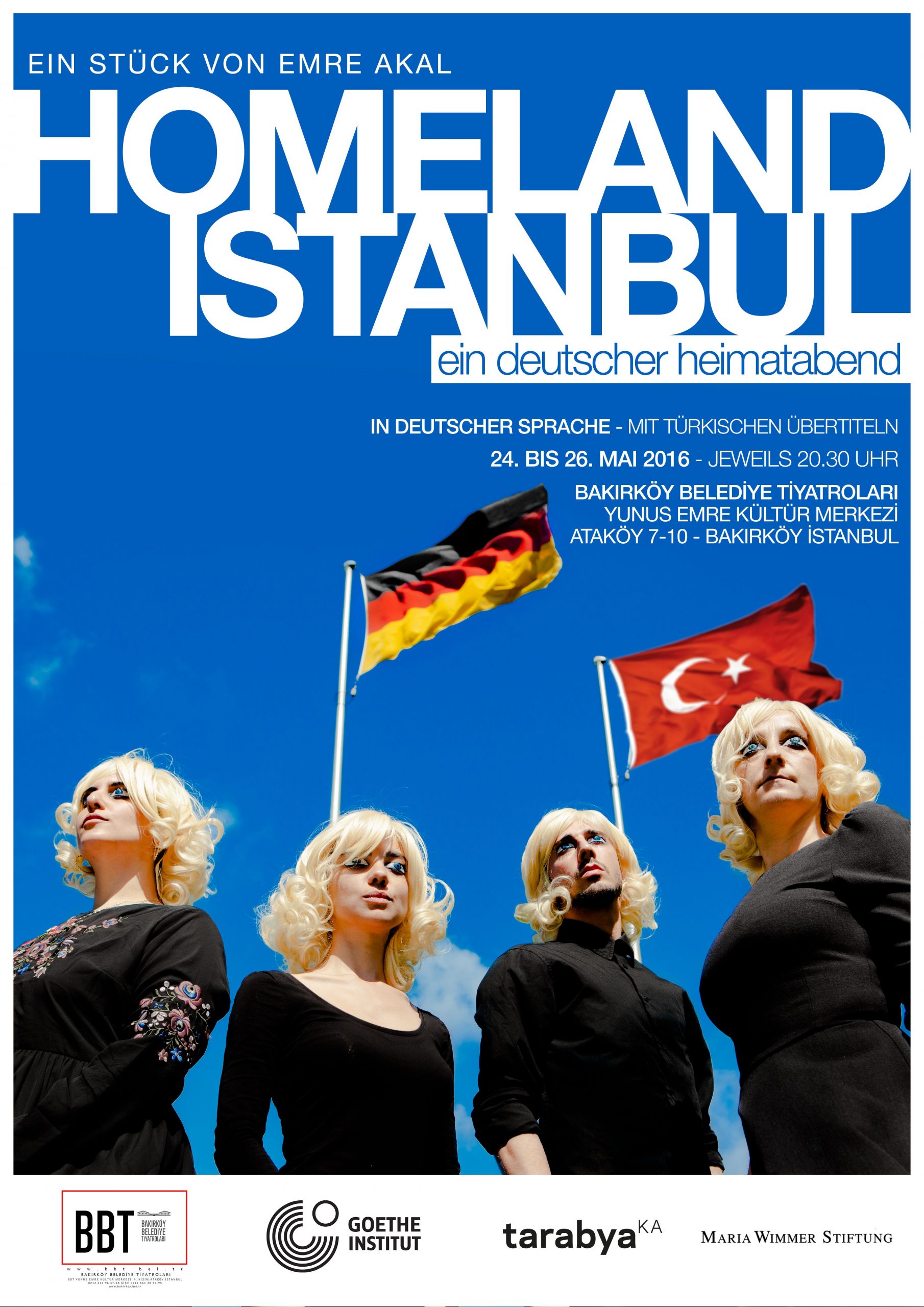
Tunçay Kulaoğlu, born in 1966 in Izmir, works as an author, filmmaker, playwright, curator, and translator. He is a co-founder of the post-migrant theater Ballhaus Naunynstrasse, of which he was head playwright and co-artistic director from 2008 to 2014. His short films have been shown at international festivals, and his essays and reports on German-Turkish film art have appeared in various publications. In 2015-2016, he was in charge of concept development and dramaturgy for Love It or Leave It at the Maxim Gorki Theater Berlin, and of production, artistic direction and dramaturgy for Homeland Istanbul at the Bakırköy District Theater, Istanbul. In 2017 he was co-author and playwright of Stress at HAU Hebbel am Ufer and curator of the 3rd Herbstsalon Desintegriert euch! (Destingrate Yourselves!) at Maxim Gorki Theater. In 2018 he conceived the exhibition Wir verrecken vor Lachen – 50 Jahre Karikatürkei (We’re Dying of Laughter – 50 Years of Caricaturing Turkey) at the Kunstraum Kreuzberg/Bethanien Berlin. He is co-curator of the theater project for the NSU complex Kein Schlussstrich! (No Final Stroke), which, designed as a decentralized theater project, will lead to establishing a three-week event space throughout Germany in autumn 2021.

Tunçay Kulaoğlu was a resident at Tarabya Cultural Academy from November 2015 to August 2016.

Year 2015
Discipline Film

Tunçay Kulaoğlu, born in 1966 in Izmir, works as an author, filmmaker, playwright, curator, and translator. He is a co-founder of the post-migrant theater Ballhaus Naunynstrasse, of which he was head playwright and co-artistic director from 2008 to 2014. His short films have been shown at international festivals, and his essays and reports on German-Turkish film art have appeared in various publications. In 2015-2016, he was in charge of concept development and dramaturgy for Love It or Leave It at the Maxim Gorki Theater Berlin, and of production, artistic direction and dramaturgy for Homeland Istanbul at the Bakırköy District Theater, Istanbul. In 2017 he was co-author and playwright of Stress at HAU Hebbel am Ufer and curator of the 3rd Herbstsalon Desintegriert euch! (Destingrate Yourselves!) at Maxim Gorki Theater. In 2018 he conceived the exhibition Wir verrecken vor Lachen – 50 Jahre Karikatürkei (We’re Dying of Laughter – 50 Years of Caricaturing Turkey) at the Kunstraum Kreuzberg/Bethanien Berlin. He is co-curator of the theater project for the NSU complex Kein Schlussstrich! (No Final Stroke), which, designed as a decentralized theater project, will lead to establishing a three-week event space throughout Germany in autumn 2021.

Tunçay Kulaoğlu was a resident at Tarabya Cultural Academy from November 2015 to August 2016.

Neco Çelik

Year 2016
Discipline Film

Neco Çelik, born in 1972 in Berlin, is a director and author. In addition to documentaries and short films, he has made the feature films Alltag (Everyday) (2002) and Urban Guerillas (2003). In 2004 the FAZ am Sonntag awarded him the title of the “Spike Lee of Kreuzberg.” In 2005 he shot in Istanbul his first Turkish-language film, Kısık ateşte 15 dakika. Since 2006 he has directed drama, opera and dance theater, beginning with Feridun Zaimoğlu’s and Günter Senkel’s Schwarze Jungfrauen (Black Virgins) at HAU Hebbel am Ufer, Berlin, and followed in 2007 by Romeo and Juliet. Engagements have also led him to other theaters, including the Munich Kammerspiele, Schauspielhaus Bochum, Berlin State Opera and Braunschweig State Theater. In 2011, his first work as an opera director, Ludger Vollmer’s Gegen die Wand (Head-On), based on the film of the same name by Fatih Akın, was performed at the Stuttgart State Opera and awarded the German Theater Prize “Faust” in the category of music theater. Most recently, Çelik shot his five-part television series Crews & Gangs (RTL2), which is broadcast on joyn.de. He is a consultant on questions of visual staging for companies such as Daimler AG and for state institutions such as the Federal Agency for Civic Education and the Foreign Office.

Neco Çelik was a resident at Tarabya Cultural Academy from March to November 2016.

Year 2016
Discipline Film

Neco Çelik, born in 1972 in Berlin, is a director and author. In addition to documentaries and short films, he has made the feature films Alltag (Everyday) (2002) and Urban Guerillas (2003). In 2004 the FAZ am Sonntag awarded him the title of the “Spike Lee of Kreuzberg.” In 2005 he shot in Istanbul his first Turkish-language film, Kısık ateşte 15 dakika. Since 2006 he has directed drama, opera and dance theater, beginning with Feridun Zaimoğlu’s and Günter Senkel’s Schwarze Jungfrauen (Black Virgins) at HAU Hebbel am Ufer, Berlin, and followed in 2007 by Romeo and Juliet. Engagements have also led him to other theaters, including the Munich Kammerspiele, Schauspielhaus Bochum, Berlin State Opera and Braunschweig State Theater. In 2011, his first work as an opera director, Ludger Vollmer’s Gegen die Wand (Head-On), based on the film of the same name by Fatih Akın, was performed at the Stuttgart State Opera and awarded the German Theater Prize “Faust” in the category of music theater. Most recently, Çelik shot his five-part television series Crews & Gangs (RTL2), which is broadcast on joyn.de. He is a consultant on questions of visual staging for companies such as Daimler AG and for state institutions such as the Federal Agency for Civic Education and the Foreign Office.

Neco Çelik was a resident at Tarabya Cultural Academy from March to November 2016.

Aysun Bademsoy

Year 2016
Discipline Film

Aysun Bademsoy is a German-Turkish film director and screenwriter. Born in 1960 in Mersin, she came to Berlin with her parents in 1969. In 1989 she completed her studies in theatre studies/journalism at the Free University of Berlin. Her documentaries, which she directed and for which she wrote the scripts, include DETEKTEI FURKAN – Ein türkischer Privatdetektiv in Berlin (1990) (DETECTIVE AGENCY FURKAN – A Turkish Private Detective in Berlin), Mädchen am Ball (1995) (Girls on the Pitch), Deutsche Polizisten (1999) (German Police), Am Rand der Städte (2005/2006) (On the Edge of the Cities), Ehre (2010/11) (Honor), Ich gehe jetzt rein (2008) (I’m Going in Now), and SPUREN – Die Opfer der NSU (2020) (Traces – the NSU victims). She has worked as editor on several films, including Ulrike Ottinger’s Taiga (1991/92) and Christian Petzold’s Das Warm Geld (The Warm Money) (1992). In 2015 she finished her first feature film script, Die Türsteherin (The Doorwoman). Bademsoy has received numerous awards for her films, including the Documentary Film Award of the Innsbruck International Film Festival in 2007 and the Best Documentary Award of the Documentary & Short Film Competition, Boston, in 2012.

Aysun Bademsoy was a resident at Tarabya Cultural Academy from July to September 2015 and in June 2016.

Year 2016
Discipline Film

Aysun Bademsoy is a German-Turkish film director and screenwriter. Born in 1960 in Mersin, she came to Berlin with her parents in 1969. In 1989 she completed her studies in theatre studies/journalism at the Free University of Berlin. Her documentaries, which she directed and for which she wrote the scripts, include DETEKTEI FURKAN – Ein türkischer Privatdetektiv in Berlin (1990) (DETECTIVE AGENCY FURKAN – A Turkish Private Detective in Berlin), Mädchen am Ball (1995) (Girls on the Pitch), Deutsche Polizisten (1999) (German Police), Am Rand der Städte (2005/2006) (On the Edge of the Cities), Ehre (2010/11) (Honor), Ich gehe jetzt rein (2008) (I’m Going in Now), and SPUREN – Die Opfer der NSU (2020) (Traces – the NSU victims). She has worked as editor on several films, including Ulrike Ottinger’s Taiga (1991/92) and Christian Petzold’s Das Warm Geld (The Warm Money) (1992). In 2015 she finished her first feature film script, Die Türsteherin (The Doorwoman). Bademsoy has received numerous awards for her films, including the Documentary Film Award of the Innsbruck International Film Festival in 2007 and the Best Documentary Award of the Documentary & Short Film Competition, Boston, in 2012.

Aysun Bademsoy was a resident at Tarabya Cultural Academy from July to September 2015 and in June 2016.