Discipline: Fine arts

Mehtap Baydu: Loving You Is So Hard!

Date 29. April - 16. November 2026
Discipline Fine arts
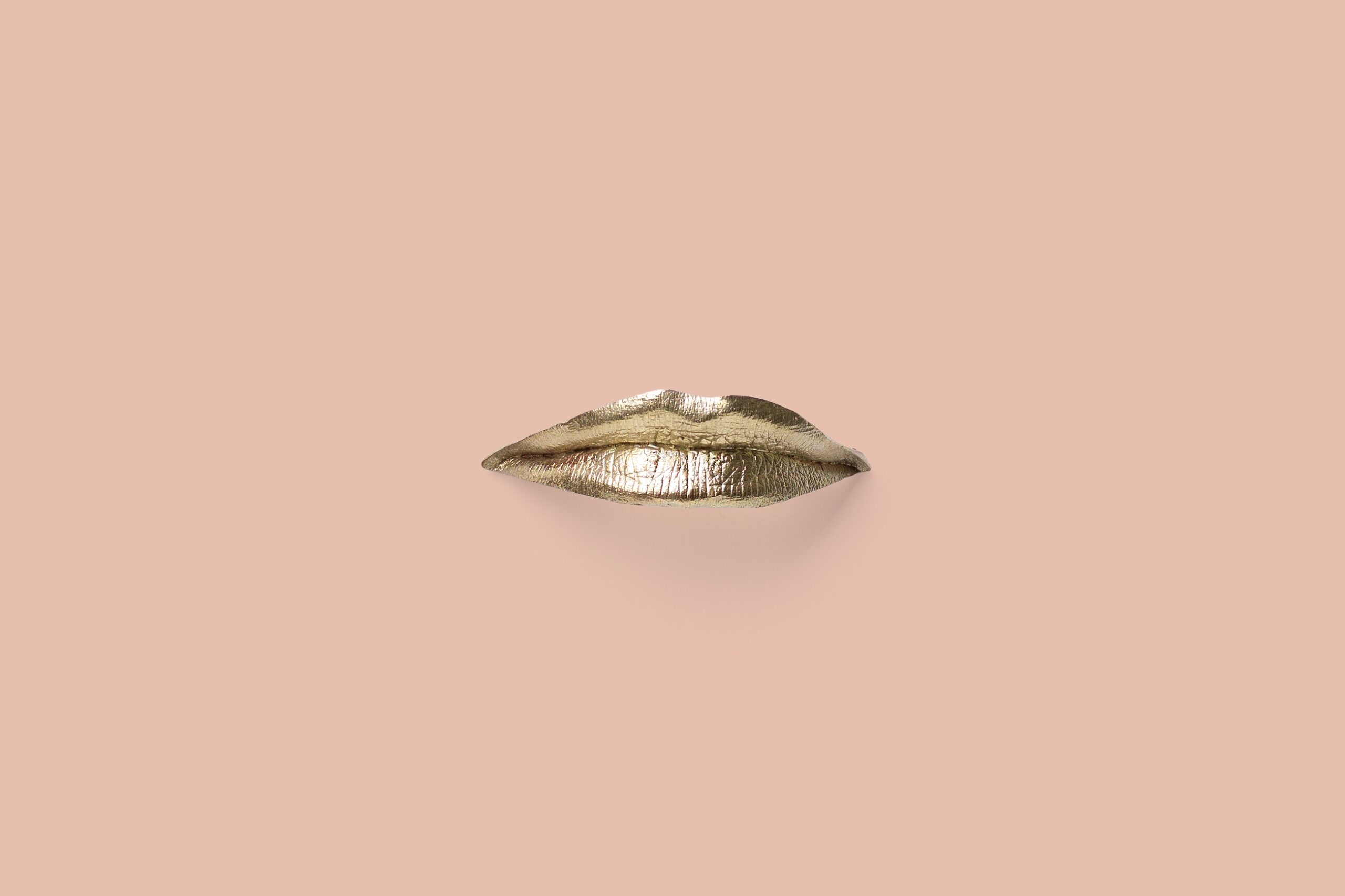
In Between My Lips, 2017, Gold cast, 2 x 6 x 2,5 cm, Private collection Photo: Hadiye Cangökçe

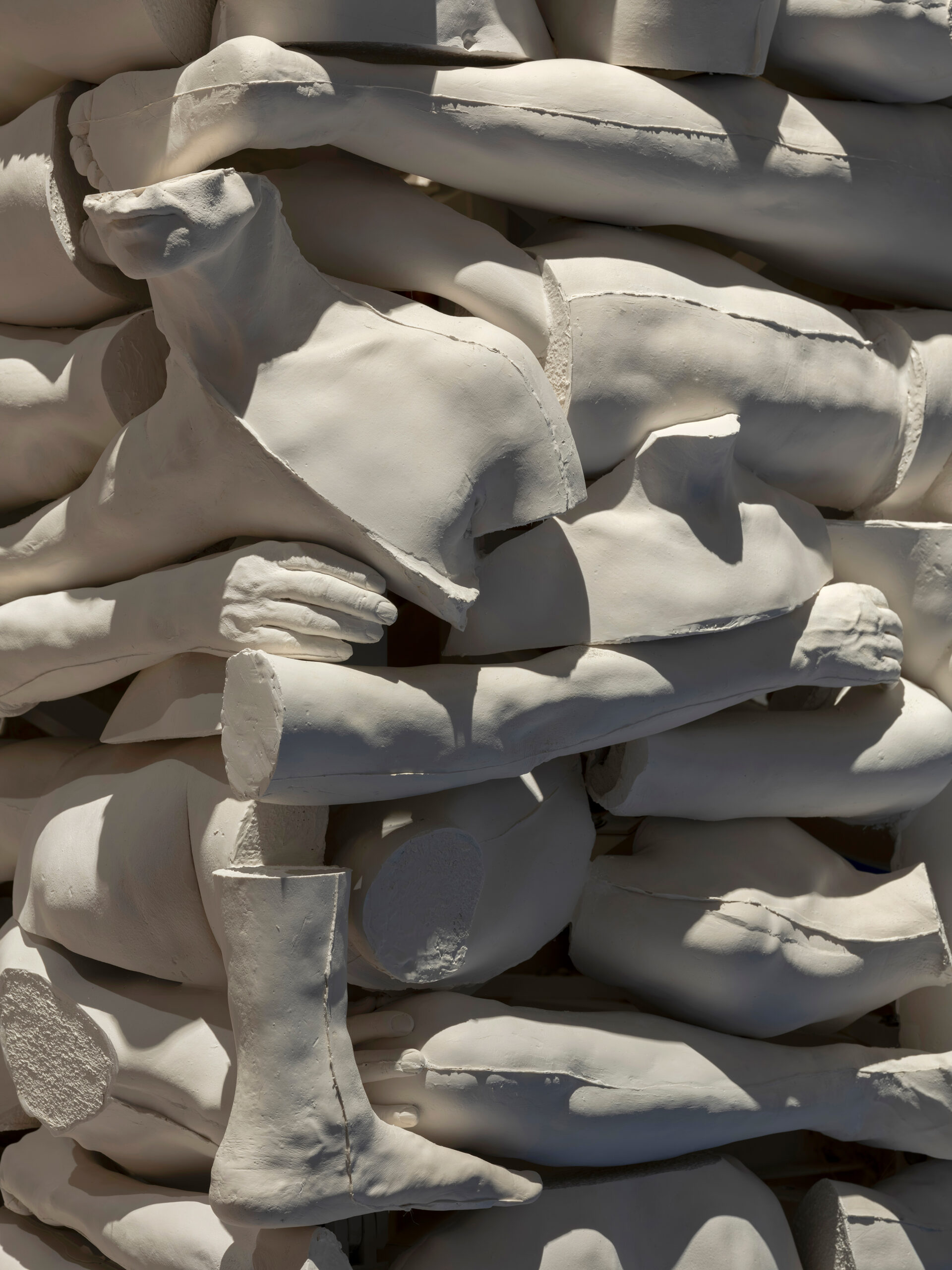
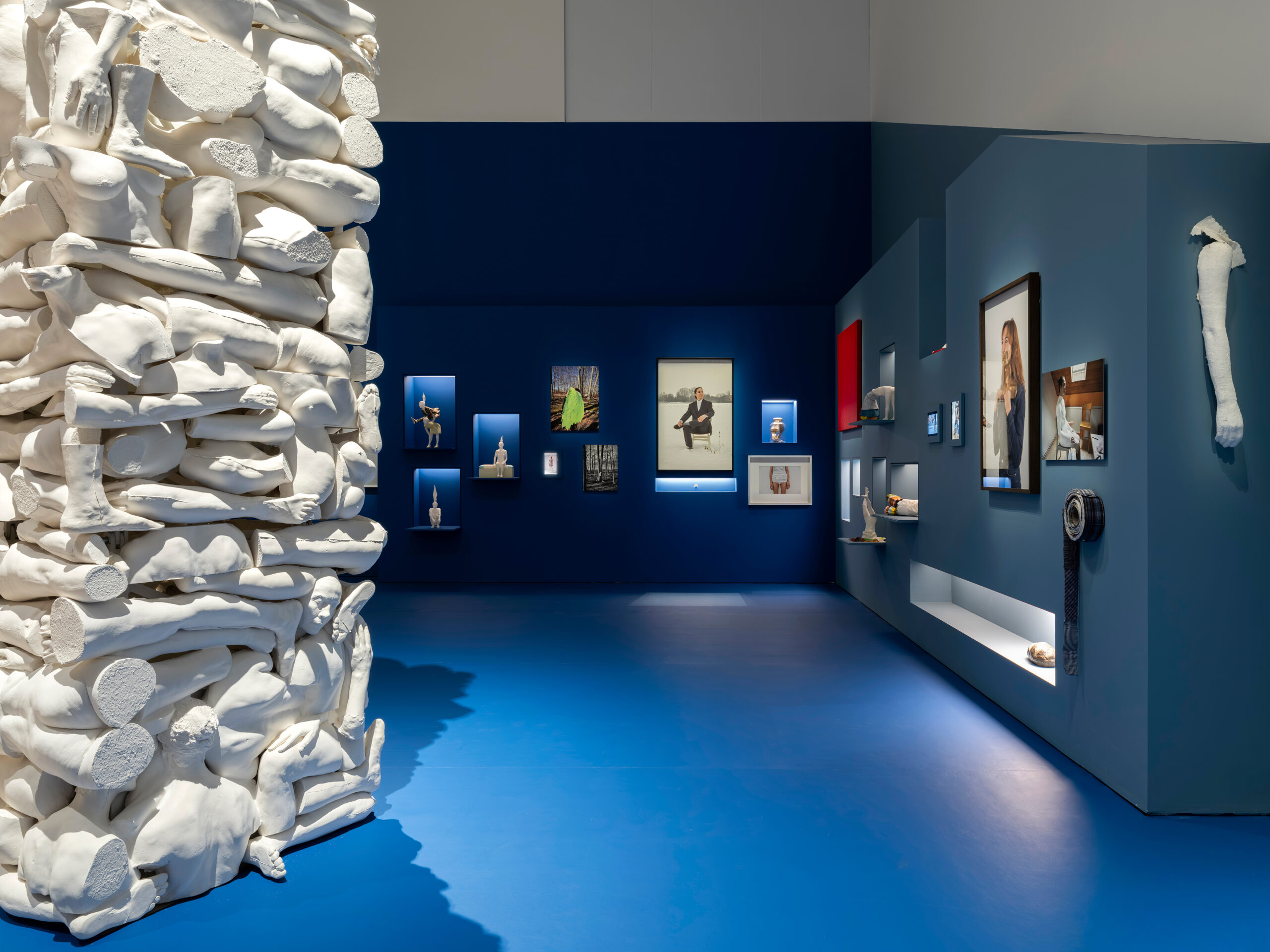
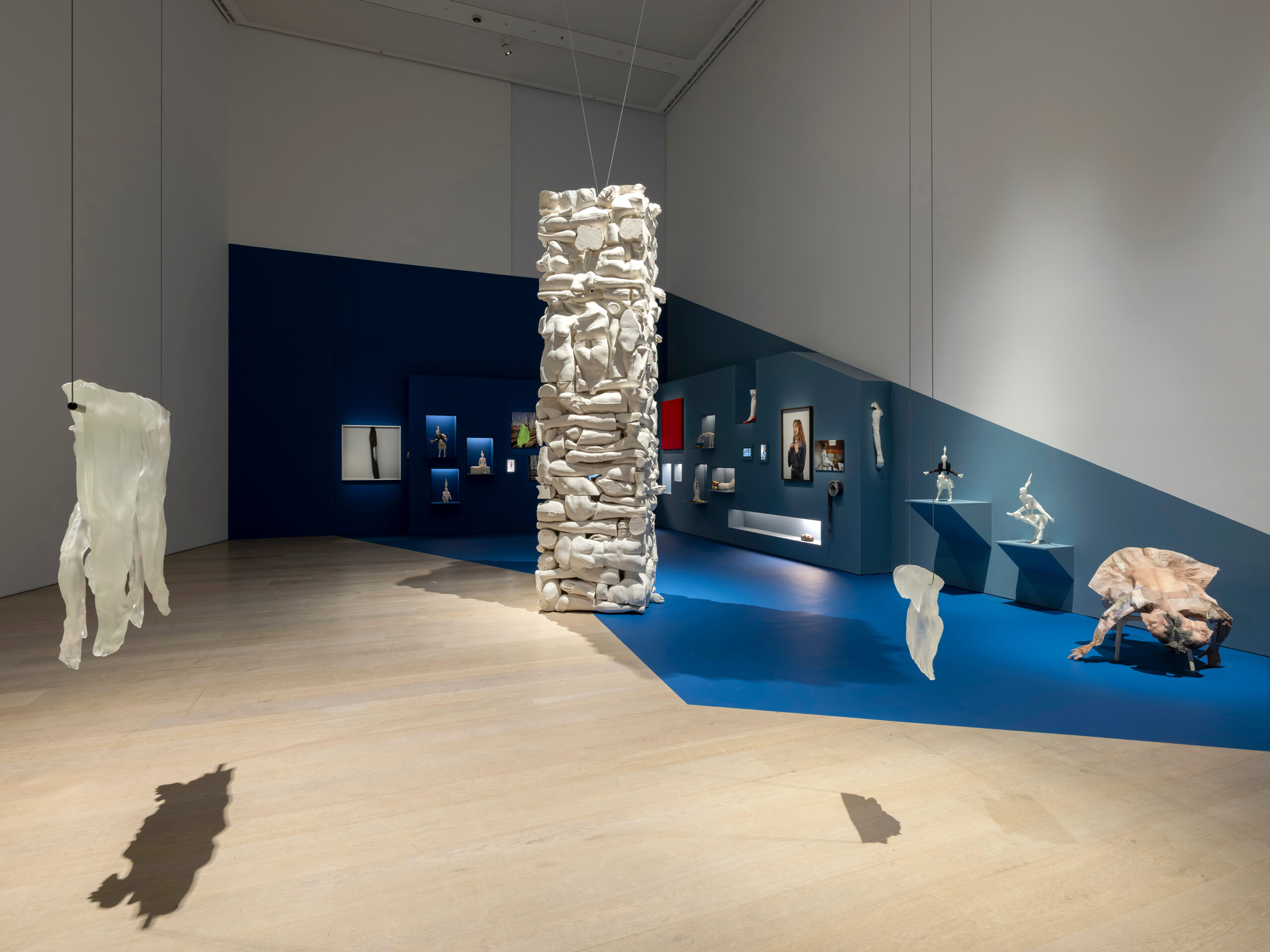
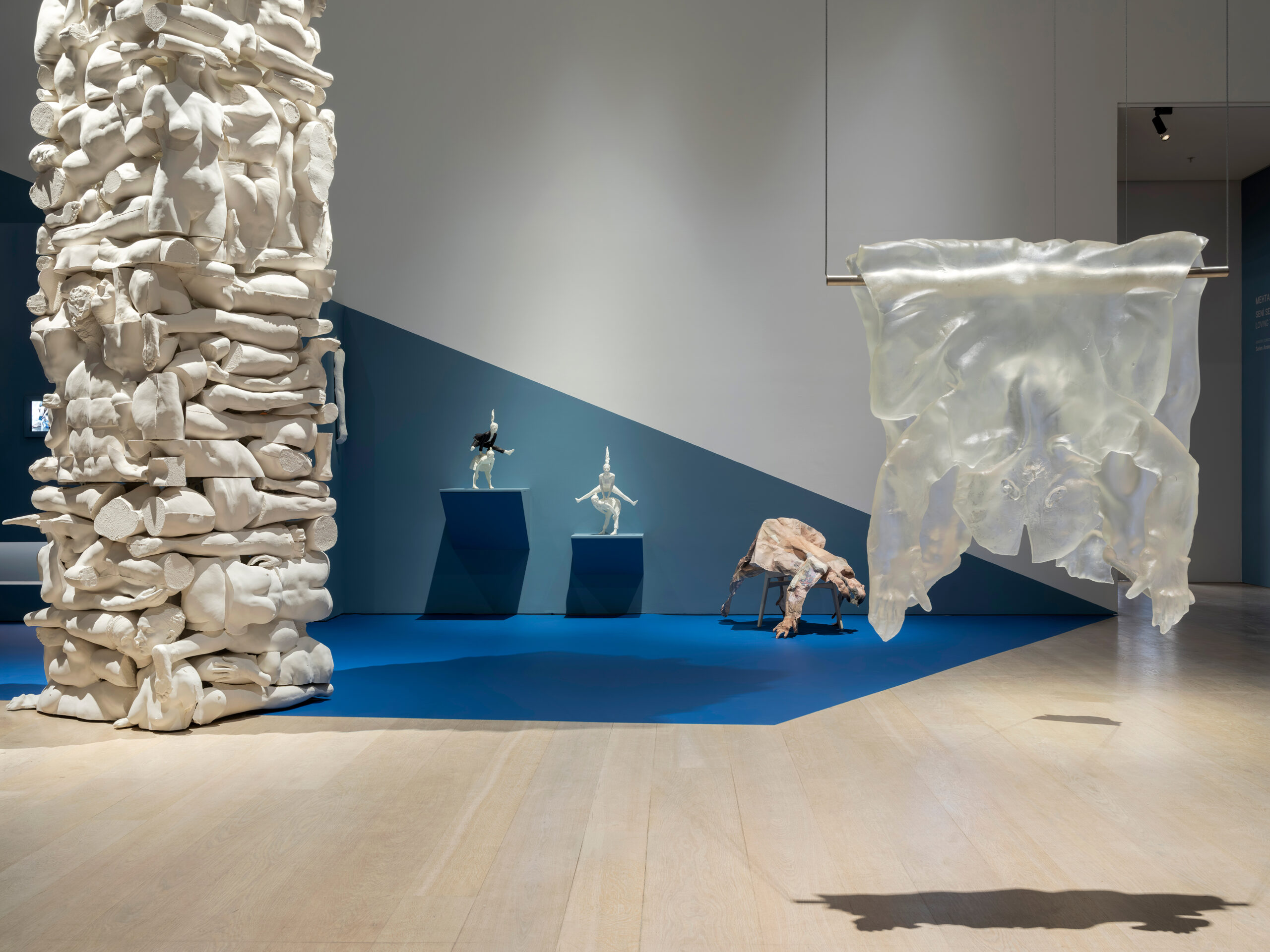
Mehtap Baydu’s first institutional solo exhibition in Türkiye, Loving You Is So Hard!, brings together new works conceived for this context alongside a selection of the artist’s recent pieces. The exhibition highlights the interconnections and transitions Baydu forges across diverse media such as performance, sculpture, photography and video, creating a layered sensory space where body and objects engage in a mutual interaction. At the heart of Loving You Is So Hard! lies a multiplicity that opens onto ever-shifting forms of togetherness. The works Baydu realises by appropriating and transforming the narratives and elements embedded in her personal memory, by assuming various identities and engaging with non-human entities, point to a fluidity that subverts established definitions and fixed notions of selfhood.

Loving You Is So Hard! echoes the distance and the tension often intrinsic to desire with the promise of absolute proximity and a sense of implied absence that characterise the process of moulding central to Baydu’s practice. Engaging the will and fragility inherent in life, the presented works materialise an inclusive and collective body that is continuously shaped by the artist through multiplication, fragmentation, imprinting and overlapping. The exhibition’s spatial orchestration manifests the temporal and material plurality of each work by bringing together a selection of pieces produced in a range of materials and textures, including ceramics, bronze, fabric, paper, and glass, alongside the documentation and performative traces that surround these productions. Foregrounding a multifaceted artistic practice in which performance extends into objecthood, and the object fosters performative potentials, this spatial arrangement invites visitors to experience Baydu’s works through the concepts of in-betweenness, transformation and otherness.

Loving You Is So Hard! also features the performance Breath (Atem), which was first realised by Mehtap Baydu in 2019 inside a storefront space opening directly to the street in Berlin. By reconfiguring the work for the gallery space at Arter, the exhibition marks its inaugural enactment within an art institution. During the performance, which explores layered meanings of restraint, in-betweenness and void, Baydu materialises her invisible breath by inflating a balloon corresponding precisely to the volume of the area allocated for the work. The live performance of Breath (Atem) will take place intermittently during Arter’s visiting hours for approximately twenty days following the exhibition’s opening. Visitors will be able to view the performance, which will continue until the balloon inflated by Baydu completely fills the space, from behind a glass partition.

The exhibition also features an artwork that has been produced with the support of the Alumni Fonds of the Tarabya Cultural Academy.

Read more Less

Onur Gökmens' exhibition at Salt Galata: Subsoil

Date 02. April - 03. May 2026
Discipline Fine arts
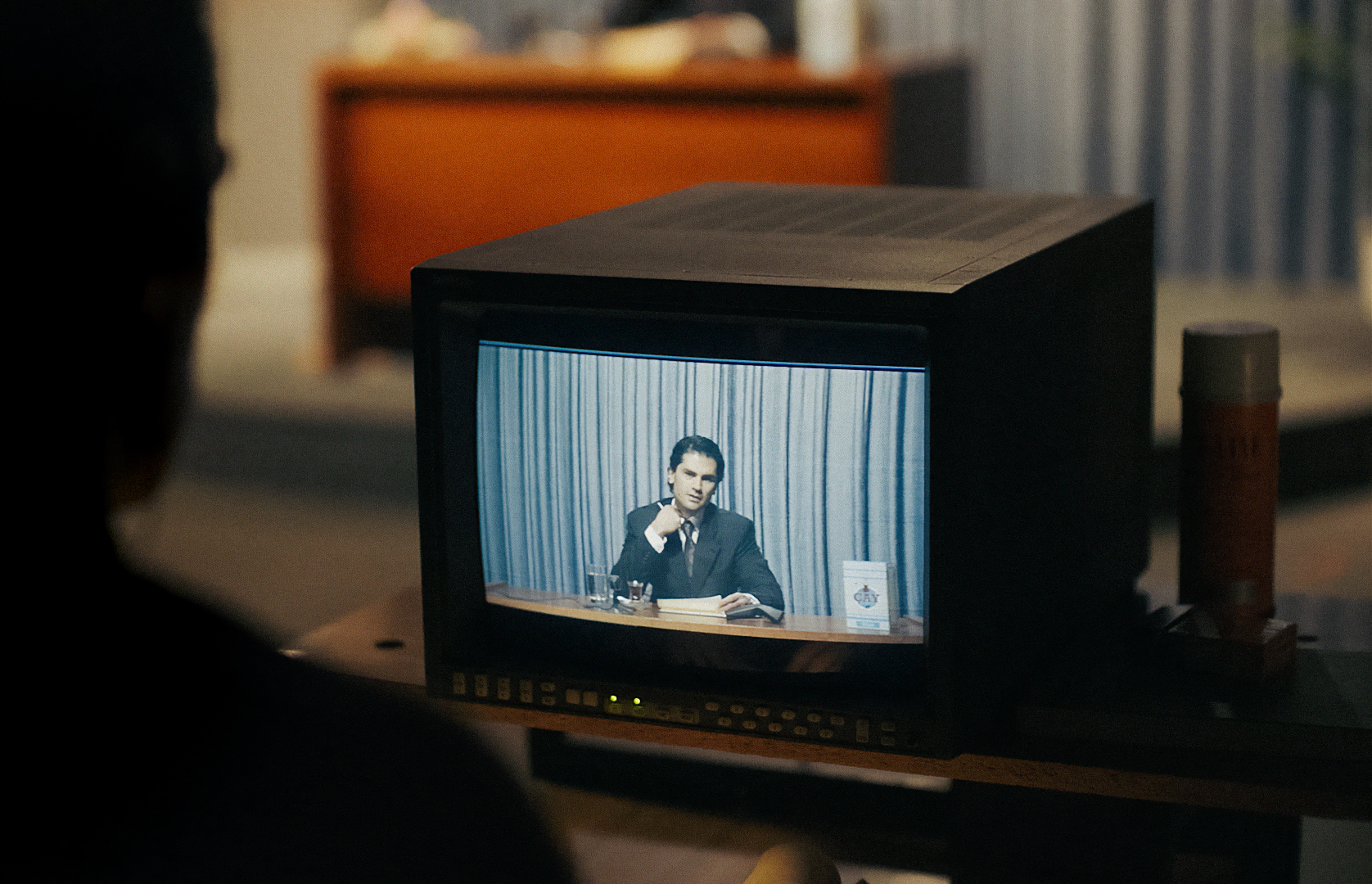
Still from the film Subsoil (2026)

From April 2 to May 3, 2026, Onur Gökmen’s exhibition Toprakaltı can be visited at SALT Galata. The artist also worked on the project during his residency at the Tarabya Cultural Academy from June to September 2025. The exhibition revisits a largely overlooked episode in the environmental and institutional history of Turkey: the detection of radioactive contamination in Black Sea tea following the 1986 Chernobyl disaster. 

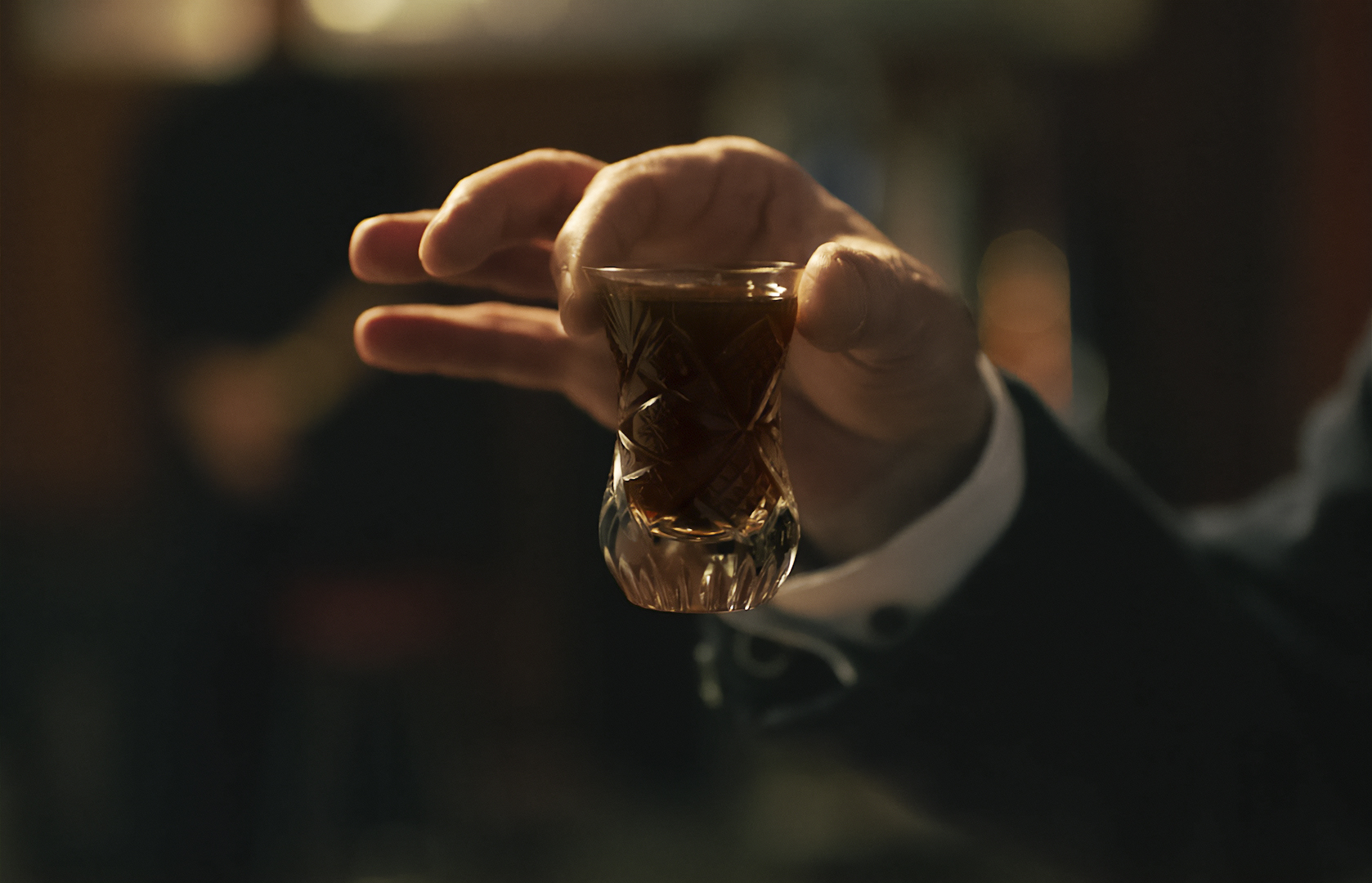
In the aftermath of the explosion at the Chernobyl Nuclear Power Plant, a team of scientists at Middle East Technical University (METU)—including the artist’s parents, İnci and Ali Gökmen—conducted a study to measure the impact of radioactive fallout on tea grown in the Black Sea region. The findings were compiled in a report and submitted to the relevant authorities. Yet, official statements tended to minimize the extent of the contamination and health risks, reflecting concerns over economic and social stability. Amid discussions around public health and accountability, the METU report eventually leaked to the press. While news coverage—often addressing the issue through mediatized images and headlines—generated a degree of public awareness, institutional responses remained largely unchanged, even as contaminated tea stayed in circulation. Sensational statements—such as “radioactive tea tastes even better” or “a little radiation is good for the bones”—overlooking the effects of radioactive contamination, along with images of state officials drinking tea, lingered in the collective memory. Meanwhile, tea became both a material witness to imperceptible radiation and a carrier of nuclear anxiety. 

Staging three fragments from this major episode in Turkey’s nuclear history, the exhibition establishes a dialogue between narrative and evidence by blending fictional and documentary elements. The first part features a spatial fragment from METU, where the contamination in tea was first identified, alongside a documentary based on the account of İnci and Ali Gökmen. Set in a television studio, the second section reflects the intertwined relationships between media, state apparatuses, and bureaucracy. At the center of this installation is a short film inspired by news reports that construct a fictional image of the Black Sea while downplaying the level of radioactive material in the tea. Situated behind these two sets, the final part comprises photographs that seep through them, capturing the traces of the Chernobyl disaster in Turkey. 

Tracing the movement of radiation through natural and institutional systems, these three scenes reveal how environmental harm—though invisible and slow—has shaped public health, policy, and societal narratives. They also remind us that radiation can never be fully consigned to the past: it belongs neither to a single generation nor to a specific geography. Just as radiation carried by clouds and seeping into the ground is transmitted to the present through the soil, the images of this incident continue to circulate in personal and collective memory. 

Read more Less

Still from the film Subsoil (2026)

Onur Gökmen, Kötü Bulutlar, 2026

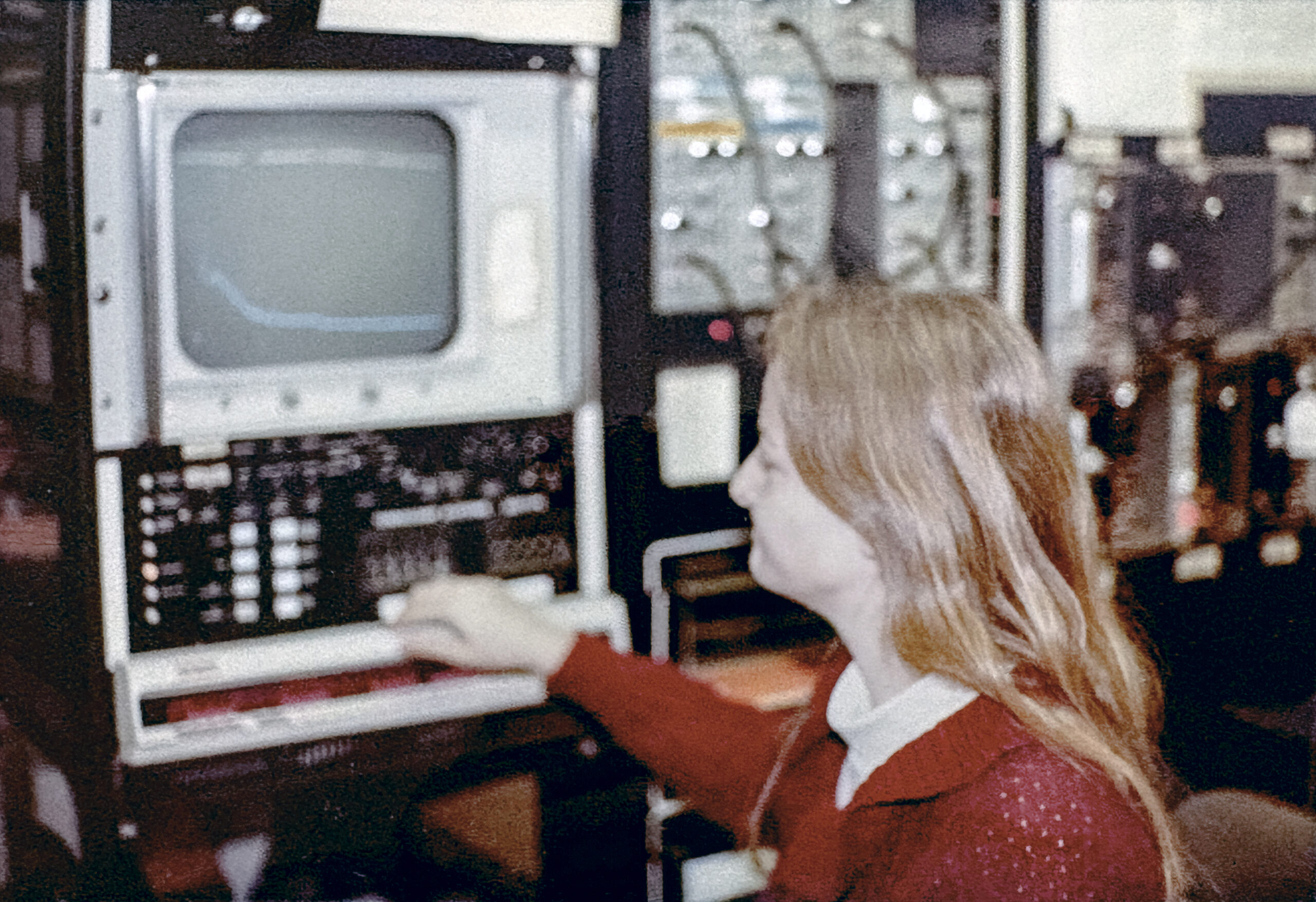
İnci Gökmen in her laboratory, University of Maryland, late 1970s

Onur Gökmen, Çay İçen Bakan [Minister Drinking Tea], 2026

Panel: Artist & Collector Talks – On making and collecting video art

Date 04. April 2026
Discipline Fine arts

On the morning of April 4th the Elgiz Museum is in collaboration with the Tarabya Cultural Academy presenting a panel discussion that addresses the production of video art, video collecting, and the contemporary transformation of the video medium from different perspectives. It aims to open a space for dialogue between the artist and the collector through video art, and to reflect on the intersections of different practices of production and collecting. 

The panel brings together Annika Kahrs, the artist of the video work titled “A BIG YEAR”, which was recently included in the Elgiz Collection, and also a participant of the Tarabya Cultural Academy’s artist residency program for the February–May 2026 term, with Agah Uğur, a collector focusing on video and new media art in his collection. The discussion will be moderated by artist, academic, and director Zeyno Pekünlü.

As the capacity is limited, a registration form must be filled to register.
Click here for the registration form

April 4, 2026, Saturday, 11:00–12:30h
Location: Elgiz Museum 

Annika Kahrs (b. 1984)
Annika Kahrs lives and works in Berlin. Her performances, film and sound installations show in various ways the importance of acoustic information in the form of music and sound in different social, cultural and political structures of coexistence. Kahrs has received in recent years numerous awards and scholarships, which include the Mercedes-Benz Art Scope & Arts Initiative Tokyo in Japan (2024), at Casa Baldi of the German Academy Villa Massimo in Rome, Italy (2024) and at Villa Aurora in Los Angeles, USA (2023). Nominated for the shortlist of the Pauli Prize (formerly the Böttcherstraße Bremen Art Prize) in the autumn of 2024, her works have been featured in numerous national and international exhibitions.
 

Agah Uğur (b. 1957)
In addition to his long-standing executive career in the business world, Agah Uğur is known for his contemporary art collecting, particularly focusing on video and new media art. Following his experience in international companies, he held senior executive and CEO positions at Borusan Holding. Today, he continues to take an active role in various companies and initiatives while deepening his engagement with contemporary art through his collecting practice. 

Zeyno Pekünlü (b. 1980)
Zeyno Pekünlü is an artist whose artistic interventions mostly take the form of videos and installations. Her work has been shown both locally and internationally, including at institutions such as IMMA (Dublin), SALT (Istanbul), Istanbul Modern, CAC Brétigny, the Jewish Museum (New York), the MAXXI Museum (Rome), the Whitechapel Gallery (London), and the Hammer Museum (Los Angeles). She has also participated in major biennials such as the 14th Istanbul Biennial, Jakarta Biennale, and EVA International. Together with Köken Ergun, she co-founded the KIRIK initiative. She is on the editorial board of Red Thread Journal. 

Read more Less
Click here for the registration form

Esra Ersen

Year 2015
Discipline Fine arts

Esra Ersen studied at the Faculty of Fine Arts at the Marmara University in Istanbul and completed a post-graduate program at the École Supérieure des Beaux-Arts in Nantes. In her research-based practice, she treats questions of history and historical perspectives and their reverberations over time in everyday culture, education, and cultural symbols. National identities and the mechanisms of their construction are recurring motifs in her work, in which she seeks to bridge the gap between oral tradition and collective memory, between micro-history and macro-history. She meets her chosen questions with a cheerful subversiveness to make the multi-layered, sometimes contradictory aspects of our social reality visible. She has participated in numerous exhibitions, including the 14th Istanbul Biennale, Istanbul (2015), the 277th São Paulo Biennale (2006), the 4th Liverpool Biennale (2006), the 4th Kwangju Biennale (2002), and Manifesta 4, Frankfurt am Main (2002). She has also received many prizes and grants, including the 2019–2020 Rome Prize of the Villa Massimo.

Ersa Ersen was a resident at Tarabya Culture Academy from September to November 2015.

Year 2015
Discipline Fine arts
© Privat

Esra Ersen studied at the Faculty of Fine Arts at the Marmara University in Istanbul and completed a post-graduate program at the École Supérieure des Beaux-Arts in Nantes. In her research-based practice, she treats questions of history and historical perspectives and their reverberations over time in everyday culture, education, and cultural symbols. National identities and the mechanisms of their construction are recurring motifs in her work, in which she seeks to bridge the gap between oral tradition and collective memory, between micro-history and macro-history. She meets her chosen questions with a cheerful subversiveness to make the multi-layered, sometimes contradictory aspects of our social reality visible. She has participated in numerous exhibitions, including the 14th Istanbul Biennale, Istanbul (2015), the 277th São Paulo Biennale (2006), the 4th Liverpool Biennale (2006), the 4th Kwangju Biennale (2002), and Manifesta 4, Frankfurt am Main (2002). She has also received many prizes and grants, including the 2019–2020 Rome Prize of the Villa Massimo.

Ersa Ersen was a resident at Tarabya Culture Academy from September to November 2015.

Sarah Szczesny

Year 2026
Discipline Fine arts

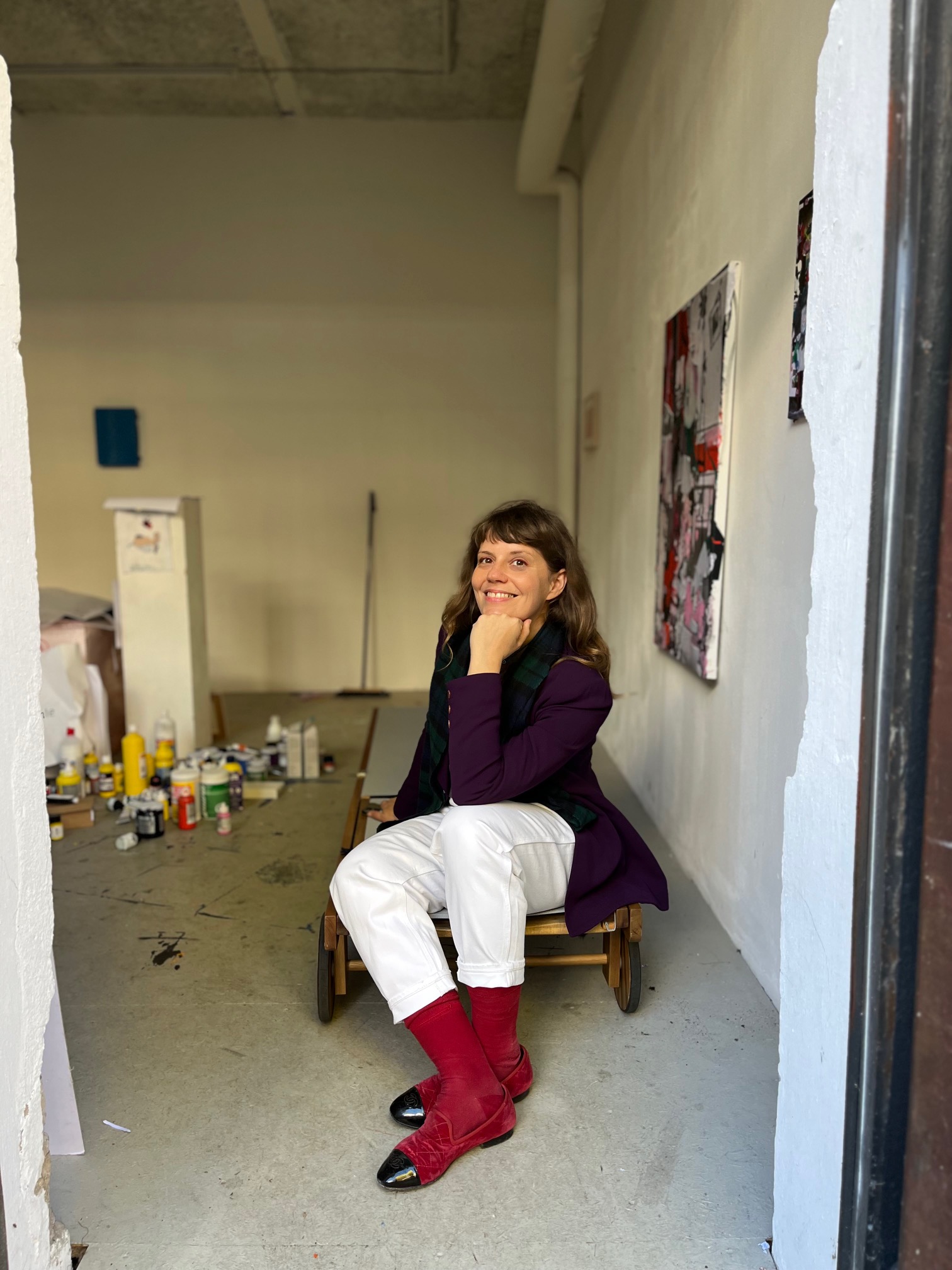
Sarah Szczesny lives and Works in Cologne. She completed her art studies in 2009 as a master student of Prof. Rosemarie TrockelShe holds an interdisciplinary teaching position for visual methods at the Robert Schumann University of Music in Düsseldorf since 2021. Since 2024 she has been teaching painting at the University of Cologne and has been a guest lecturer at the Kunstakademie Münster. Her paintings, collagesvideos and performances have been shown nationally and internationally, including at the Kunstverein Düsseldorf, the Neuer Aachener Kunstverein, Ludlow 38 and the Martos Gallery in New York, and O-Town House in Los Angeles. Essential to her art practice is the questioning of cultural hierarchies and an experimental expansion of painting through animation, sound and pop culture references. Since 2016, she has been working with musician and producer Lena Willikens on the processual project called Phantom Kino Ballett, which includes performances, videoand installations and is presented in art institutions, theatres and at music and film festivals.  

Sarah Szczesny is in residence at the Tarabya Cultural Academy from February to May 2026.

Year 2026
Discipline Fine arts
© Anna Sofie Hartmann

Sarah Szczesny lives and Works in Cologne. She completed her art studies in 2009 as a master student of Prof. Rosemarie TrockelShe holds an interdisciplinary teaching position for visual methods at the Robert Schumann University of Music in Düsseldorf since 2021. Since 2024 she has been teaching painting at the University of Cologne and has been a guest lecturer at the Kunstakademie Münster. Her paintings, collagesvideos and performances have been shown nationally and internationally, including at the Kunstverein Düsseldorf, the Neuer Aachener Kunstverein, Ludlow 38 and the Martos Gallery in New York, and O-Town House in Los Angeles. Essential to her art practice is the questioning of cultural hierarchies and an experimental expansion of painting through animation, sound and pop culture references. Since 2016, she has been working with musician and producer Lena Willikens on the processual project called Phantom Kino Ballett, which includes performances, videoand installations and is presented in art institutions, theatres and at music and film festivals.  

Sarah Szczesny is in residence at the Tarabya Cultural Academy from February to May 2026.

Johannes Vogl

Year 2026
Discipline Fine arts

He constructs rather idiosyncratic sculptures and machines from everyday objects. The artist, describes himself as a poetic inventor rather than a traditional sculptor, and finds inspiration for his sculptures, installations and videos mostly in everyday situations. The objects and devices do not serve people or fulfil meaningful tasks anymore, but exist in endless loops and monotonous self-dialogueHis works act as mechanical outsiders, as oddities. The relationship between human and sculpturesubject and objectobserver and observed shifts in favor of the world of objects. 

Johannes Vogl  is in residence at the Tarabya Cultural Academy from February to May 2026.

Year 2026
Discipline Fine arts
© Adina Mocanu

He constructs rather idiosyncratic sculptures and machines from everyday objects. The artist, describes himself as a poetic inventor rather than a traditional sculptor, and finds inspiration for his sculptures, installations and videos mostly in everyday situations. The objects and devices do not serve people or fulfil meaningful tasks anymore, but exist in endless loops and monotonous self-dialogueHis works act as mechanical outsiders, as oddities. The relationship between human and sculpturesubject and objectobserver and observed shifts in favor of the world of objects. 

Johannes Vogl  is in residence at the Tarabya Cultural Academy from February to May 2026.

Annika Kahrs

Year 2026
Discipline Fine arts

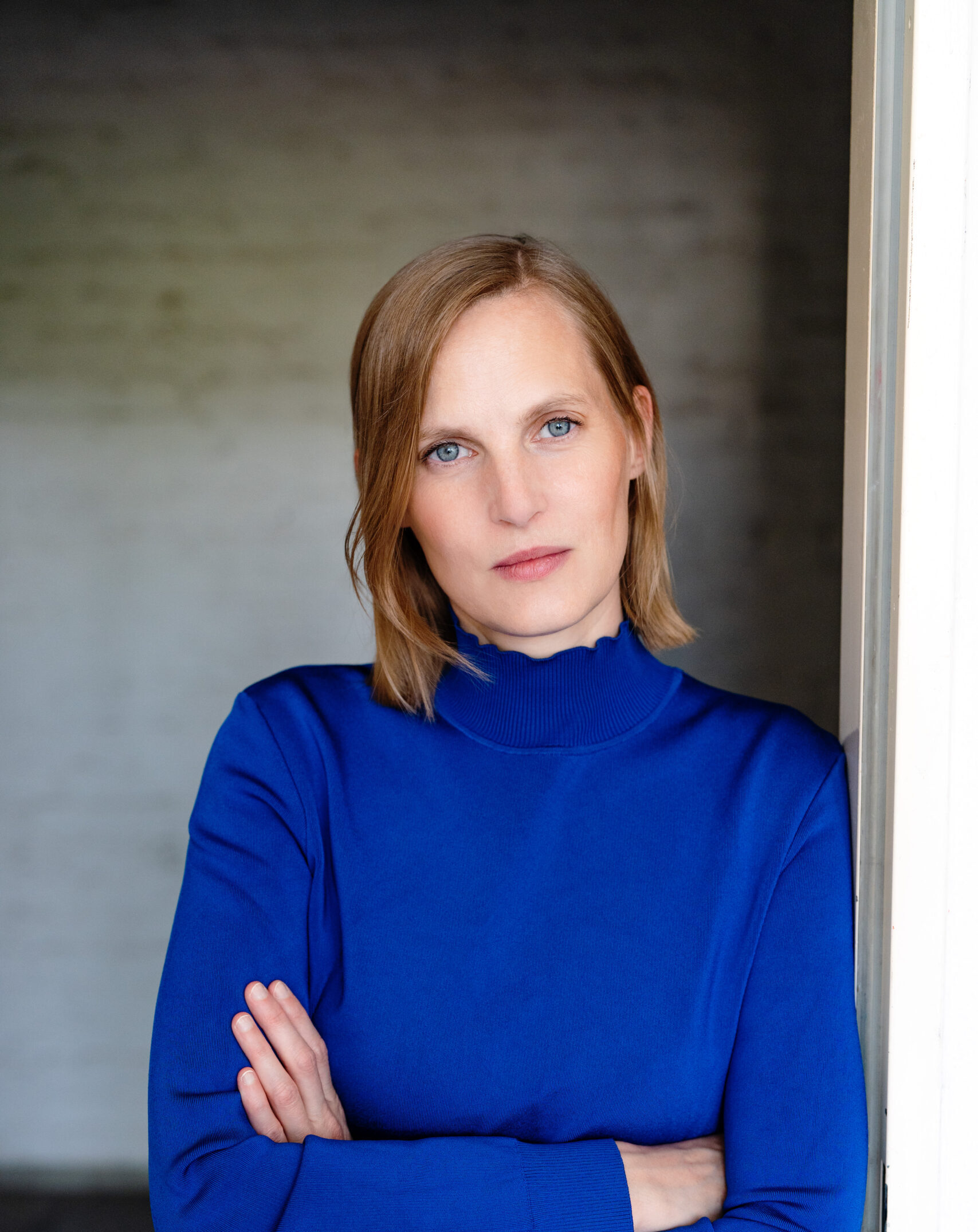
Annika Kahrs lives and works in Berlin. Her performances, film and sound installations show in various ways the importance of acoustic information in the form of music and sound in different social, cultural and political structures of coexistence. Kahrs has received irecent years numerous awards and scholarships, which include the Mercedes-Benz Art Scope & Arts Initiative Tokyo in Japan (2024), at Casa Baldi of the German Academy Villa Massimo in Rome, Italy (2024) and at Villa Aurora in Los Angeles, USA (2023). Nominated for the shortlist of the Pauli Prize (formerly the Böttcherstraße Bremen Art Prize) ithe autumn of 2024, her works have been featured in numerous national and international exhibitions. Her most recent ones include Hamburger Bahnhof – National Gallery of Contemporary Art, Berlin (2025), Biennale Son, Sion, Switzerland (2025), EMΣT | The National Museum of Contemporary Art Athens, Greece (2025), Kunsthaus Baselland, Basel, Switzerland (2025), 60th October Salon, Belgrade, Serbia (2024), Schering Foundation, Berlin (2023), TONO Festival, Mexico City, Mexico (2023), Hamburger Kunsthalle, Hamburg (2022), 16e Biennale d’art contemporain de Lyon, France (2022), The Brick (LAXART), Los Angeles, USA (2021). 

Annika Kahrs is in residence at the Tarabya Cultural Academy from February to May 2026.

Year 2026
Discipline Fine arts
© Rosanna Graf

Annika Kahrs lives and works in Berlin. Her performances, film and sound installations show in various ways the importance of acoustic information in the form of music and sound in different social, cultural and political structures of coexistence. Kahrs has received irecent years numerous awards and scholarships, which include the Mercedes-Benz Art Scope & Arts Initiative Tokyo in Japan (2024), at Casa Baldi of the German Academy Villa Massimo in Rome, Italy (2024) and at Villa Aurora in Los Angeles, USA (2023). Nominated for the shortlist of the Pauli Prize (formerly the Böttcherstraße Bremen Art Prize) ithe autumn of 2024, her works have been featured in numerous national and international exhibitions. Her most recent ones include Hamburger Bahnhof – National Gallery of Contemporary Art, Berlin (2025), Biennale Son, Sion, Switzerland (2025), EMΣT | The National Museum of Contemporary Art Athens, Greece (2025), Kunsthaus Baselland, Basel, Switzerland (2025), 60th October Salon, Belgrade, Serbia (2024), Schering Foundation, Berlin (2023), TONO Festival, Mexico City, Mexico (2023), Hamburger Kunsthalle, Hamburg (2022), 16e Biennale d’art contemporain de Lyon, France (2022), The Brick (LAXART), Los Angeles, USA (2021). 

Annika Kahrs is in residence at the Tarabya Cultural Academy from February to May 2026.

Larissa Araz & Aria Farajnezhad

Year 2025
Discipline Fine arts

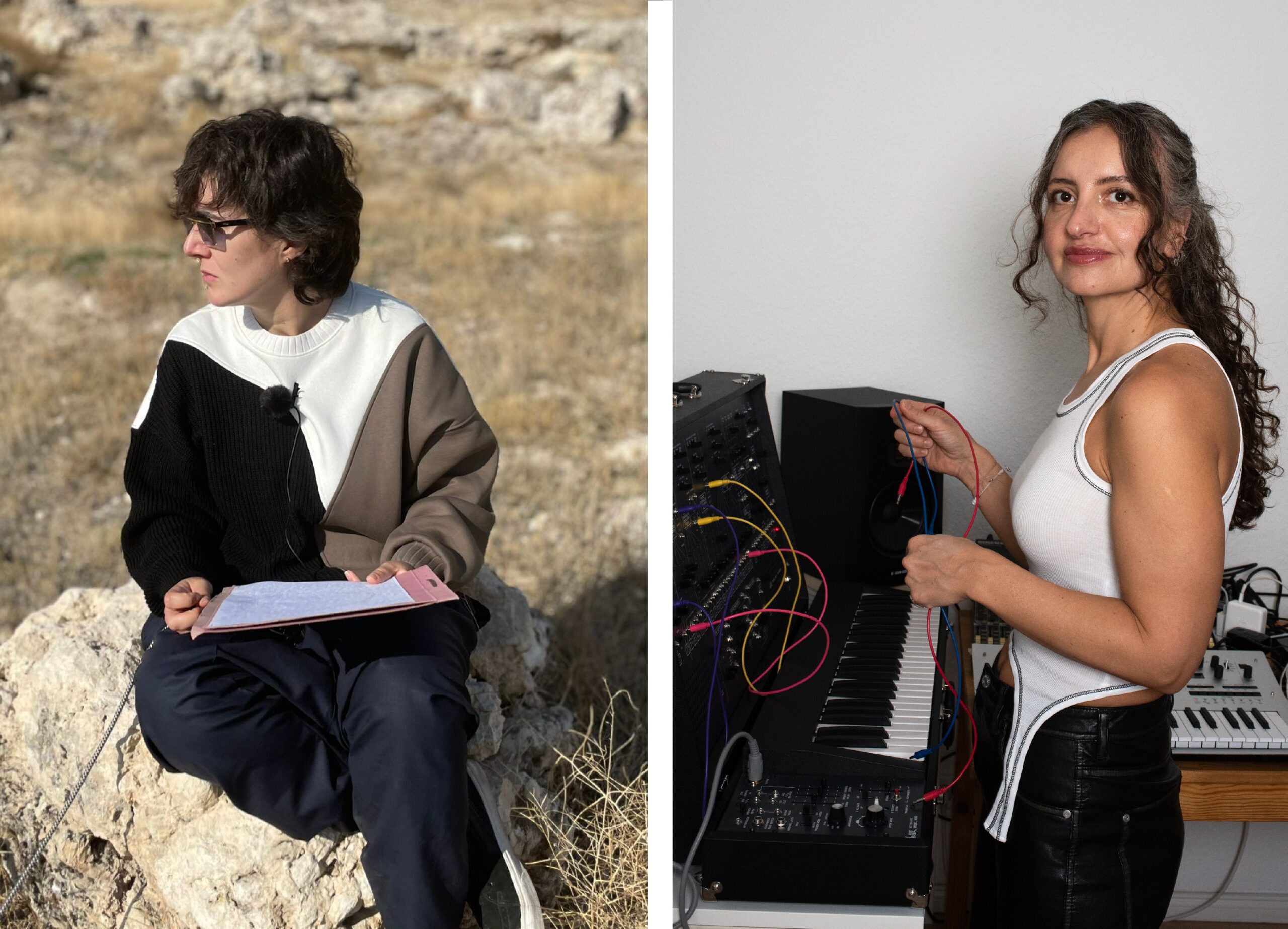
Larissa Araz (Istanbul, 1990) is an artist and founder of Poşe artist-run space in Istanbul, Turkey.She studied Media, Culture, and Communication at New York University, NY, USA and Visual Arts at Koç University in Istanbul, TR. She participated in Saha Studio residency from 2019-2020 and Arter Research Program in 2020-2021. She was a recipient of the Prince Claus Seed Award in 2021 and fellow at WHW Akademija in 2023. As part of Artist Development program of European Investment Bank she was invited to Cite des Arts Paris residency. She participated in Onassis Artist Residency in 2024.

Araz focuses on alternative histories, non-human witnesses, and the construction of dominant ideologies through institutional knowledge production. Through personal narratives, she researches documents, archives, ruins, silences, names, traces, and memories that are not included in, or kept hidden from social memory. Between reality and fiction, she tries to discuss possible futures and unrevealed pasts. She uses different mediums in her practice but mainly focuses on text and image-making.

She is also the other half of palimpsest (with author Ekin Can Göksoy) which departs from the ancient belief that nothing is as it seems. With an approach far surpassing the modern conceptualization of the archive, where historical records are brought together and classified. palimpsest attempts to create an archive of the annotations on the margins of manuscripts, the decorations crumbling from the walls of buildings, the written messages behind found photographs, and the testimony of what is no longer there.

Araz founded Poşe Artist Run Space in April 2018. Poşe is conceived with an urge to establish a community. It is a physical and mental open-space for those who feel the need for dialogue and critique. Poşe has displayed many exhibitions including solo and group productions along with public programming and other content.

Aria Farajnezhad (1989, Ahwaz) is a multidisciplinary artist and organizer with a background in engineering and a long-term engagement with rhythm and playing percussion. He is a sound and image examiner whose work encompasses various mediums, leaning towards speculative forensis. Farajnezhad is the recipient of the Kunstverein Hannover Award (2025/2026), the 2024 fellow of  HIAP (Helsinki International Artist Program), the 2023 fellow of WHW Akademija (Zagreb, Croatia), and the 2018/2019 fellow of Ashkal Alwan’s Home Workspace Program (Beirut, Lebanon). Between 2020-2022 he co-ran the project space Circa 106 (Bremen, Germany) and co-created the Future Archives project series (Worpswede/ Saarbrücken/Bitterfeld/Bremen, Germany). Aria holds a Diploma from the faculty of fine arts at the University of Arts Bremen where he completed the Meisterschüler*innen program in July 2022 with Natascha Sadr Haghighian. Since January 2023, Farajnezhad’s inquiry around the destabilizing preservation/destruction dichotomy pertaining to the former state central bank building in Bremen found a leg in scrutinizing further the politics of over/non/under-representation imbued in public space constructions. He has been conducting collective settings in which the racist mosaic mural in Bremen’s central station could be critically examined and collectively overwritten, to suggest otherwise accounts that share ecumenical, hybrid, and non-hierarchical views on the notion of humanity. Since 2023 he has initiated a conversation series called Mosaic Speaking to craft an inter-local, trans-regional dialogue through carrying over-written mosaics with various interlocutors, tarrying with the diasporic break as a generative force. The conversation series has dwelled in multiple places among which the AIR InSILo (Hollabrunn/Vienna, Austria) and HIAP (Helsinki/Turku, Finland) to weave them to the particularity of Bremen’s role in colonialism and slavery. Farajnezhad in May 2024 co-published the newspaper Probe-1 with GAK Bremen and co-edited a lecture-performance designed as a dialogic session at the University of Liverpool together with Azadeh Sarjoughian around artistic methodology and the notion of the living archive.

Larissa Araz and Aria Farajnezhad were in residency at the Tarabya Cultural Academy from February 2025 to May 2025 as part of the German-Turkish co-production program supported by the Allianz Foundation.
Year 2025
Discipline Fine arts

Larissa Araz (Istanbul, 1990) is an artist and founder of Poşe artist-run space in Istanbul, Turkey.She studied Media, Culture, and Communication at New York University, NY, USA and Visual Arts at Koç University in Istanbul, TR. She participated in Saha Studio residency from 2019-2020 and Arter Research Program in 2020-2021. She was a recipient of the Prince Claus Seed Award in 2021 and fellow at WHW Akademija in 2023. As part of Artist Development program of European Investment Bank she was invited to Cite des Arts Paris residency. She participated in Onassis Artist Residency in 2024.

Araz focuses on alternative histories, non-human witnesses, and the construction of dominant ideologies through institutional knowledge production. Through personal narratives, she researches documents, archives, ruins, silences, names, traces, and memories that are not included in, or kept hidden from social memory. Between reality and fiction, she tries to discuss possible futures and unrevealed pasts. She uses different mediums in her practice but mainly focuses on text and image-making.

She is also the other half of palimpsest (with author Ekin Can Göksoy) which departs from the ancient belief that nothing is as it seems. With an approach far surpassing the modern conceptualization of the archive, where historical records are brought together and classified. palimpsest attempts to create an archive of the annotations on the margins of manuscripts, the decorations crumbling from the walls of buildings, the written messages behind found photographs, and the testimony of what is no longer there.

Araz founded Poşe Artist Run Space in April 2018. Poşe is conceived with an urge to establish a community. It is a physical and mental open-space for those who feel the need for dialogue and critique. Poşe has displayed many exhibitions including solo and group productions along with public programming and other content.

Aria Farajnezhad (1989, Ahwaz) is a multidisciplinary artist and organizer with a background in engineering and a long-term engagement with rhythm and playing percussion. He is a sound and image examiner whose work encompasses various mediums, leaning towards speculative forensis. Farajnezhad is the recipient of the Kunstverein Hannover Award (2025/2026), the 2024 fellow of  HIAP (Helsinki International Artist Program), the 2023 fellow of WHW Akademija (Zagreb, Croatia), and the 2018/2019 fellow of Ashkal Alwan’s Home Workspace Program (Beirut, Lebanon). Between 2020-2022 he co-ran the project space Circa 106 (Bremen, Germany) and co-created the Future Archives project series (Worpswede/ Saarbrücken/Bitterfeld/Bremen, Germany). Aria holds a Diploma from the faculty of fine arts at the University of Arts Bremen where he completed the Meisterschüler*innen program in July 2022 with Natascha Sadr Haghighian. Since January 2023, Farajnezhad’s inquiry around the destabilizing preservation/destruction dichotomy pertaining to the former state central bank building in Bremen found a leg in scrutinizing further the politics of over/non/under-representation imbued in public space constructions. He has been conducting collective settings in which the racist mosaic mural in Bremen’s central station could be critically examined and collectively overwritten, to suggest otherwise accounts that share ecumenical, hybrid, and non-hierarchical views on the notion of humanity. Since 2023 he has initiated a conversation series called Mosaic Speaking to craft an inter-local, trans-regional dialogue through carrying over-written mosaics with various interlocutors, tarrying with the diasporic break as a generative force. The conversation series has dwelled in multiple places among which the AIR InSILo (Hollabrunn/Vienna, Austria) and HIAP (Helsinki/Turku, Finland) to weave them to the particularity of Bremen’s role in colonialism and slavery. Farajnezhad in May 2024 co-published the newspaper Probe-1 with GAK Bremen and co-edited a lecture-performance designed as a dialogic session at the University of Liverpool together with Azadeh Sarjoughian around artistic methodology and the notion of the living archive.

Larissa Araz and Aria Farajnezhad were in residency at the Tarabya Cultural Academy from February 2025 to May 2025 as part of the German-Turkish co-production program supported by the Allianz Foundation.
Gerrit Frohne-Brinkmann

Year 2025
Discipline Fine arts

Gerrit Frohne-Brinkmann was born in 1990 in Friesoythe, Germany and studied at the HFBK University of Fine Arts of Hamburg. His sculptural practice, which encompasses a wide range of techniques, spanning from handmade ceramics and papier-mâché to found objects and ready-mades, merges contradictory visual languages and material logics. States of being discarded, unloved, and forgotten form a recurring point of reference in his works. He looks at the various ways of creating illusion, imitating, and staging that lie at the intersection of technological history, the natural sciences, entertainment, and pop culture. Plants and animals, along with their replicas or appropriations, are often the focus of his explorations and act as protagonists in his works. In dealing with the conditions for exhibiting, he examines the tension between attraction and disappointment. His works have been shown most recently at the Kunsthalle in Hamburg, at Hangar Y in Meudon (2024), at the Fundación Marso in Mexico City (2023), at LambdaLambdaLambda in Pristina, and at the Kunstverein in Oldenburg (2022). He lives and works in Hamburg.

Gerrit Frohne-Brinkmann was a resident at the Tarabya Cultural Academy from February to May 2025.

Year 2025
Discipline Fine arts

Gerrit Frohne-Brinkmann was born in 1990 in Friesoythe, Germany and studied at the HFBK University of Fine Arts of Hamburg. His sculptural practice, which encompasses a wide range of techniques, spanning from handmade ceramics and papier-mâché to found objects and ready-mades, merges contradictory visual languages and material logics. States of being discarded, unloved, and forgotten form a recurring point of reference in his works. He looks at the various ways of creating illusion, imitating, and staging that lie at the intersection of technological history, the natural sciences, entertainment, and pop culture. Plants and animals, along with their replicas or appropriations, are often the focus of his explorations and act as protagonists in his works. In dealing with the conditions for exhibiting, he examines the tension between attraction and disappointment. His works have been shown most recently at the Kunsthalle in Hamburg, at Hangar Y in Meudon (2024), at the Fundación Marso in Mexico City (2023), at LambdaLambdaLambda in Pristina, and at the Kunstverein in Oldenburg (2022). He lives and works in Hamburg.

Gerrit Frohne-Brinkmann was a resident at the Tarabya Cultural Academy from February to May 2025.

Corç George Demir

Year 2025
Discipline Fine arts

Born in Cologne in 1991, Corç George Demir is a research-based interdisciplinary artist.

In his visual and theoretical practice, he explores both collective and individual constructions of the self in an attempt to subvert dominant narratives through his autoethnographic approach.

His contributions include international exhibitions and publications in the arts and sciences. He is currently a doctoral candidate in artistic research at the University of Applied Arts in Vienna. In his PhD project “Ancestral Junctures: on the expansion of ancestral mythologies”, he looks at the transformative potential of decentralising nation states and biological family lines and on focusing instead on queer and labour lines of ancestry as a way to expand the mythological notion of our origins.

Çorc George Demir was a resident at the Tarabya Cultural Academy from February 2025 to May 2025.

Year 2025
Discipline Fine arts

Born in Cologne in 1991, Corç George Demir is a research-based interdisciplinary artist.

In his visual and theoretical practice, he explores both collective and individual constructions of the self in an attempt to subvert dominant narratives through his autoethnographic approach.

His contributions include international exhibitions and publications in the arts and sciences. He is currently a doctoral candidate in artistic research at the University of Applied Arts in Vienna. In his PhD project “Ancestral Junctures: on the expansion of ancestral mythologies”, he looks at the transformative potential of decentralising nation states and biological family lines and on focusing instead on queer and labour lines of ancestry as a way to expand the mythological notion of our origins.

Çorc George Demir was a resident at the Tarabya Cultural Academy from February 2025 to May 2025.