Discipline: Literature

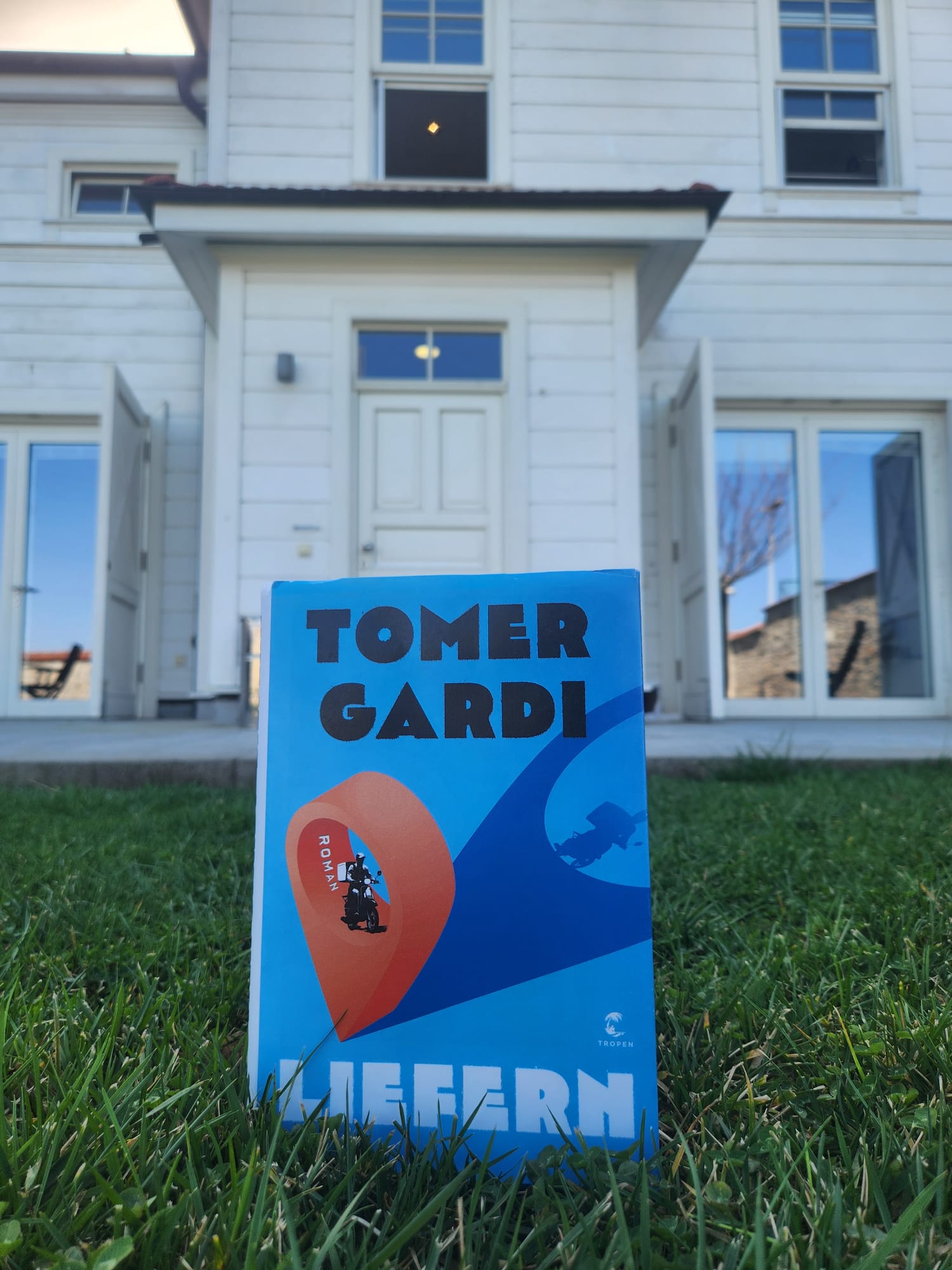
Liefern - Tomer Gardis' latest novel
Year 2026
Discipline Literature

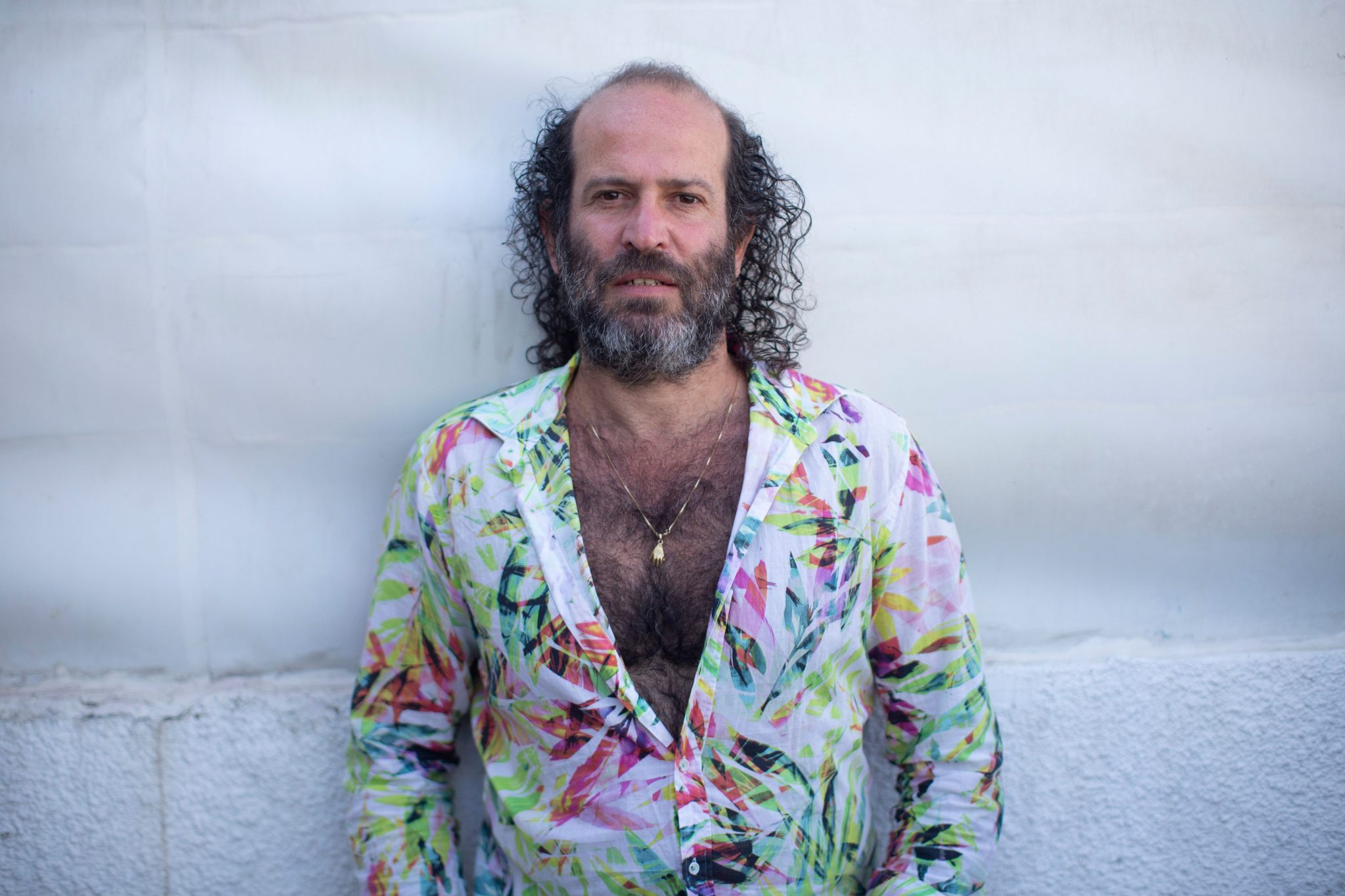
They are everywhere, we see them each and every day. Whether in Delhi, Tel Aviv, Buenos Aires, Istanbul or Berlin, they speed across the cities everywhere: food delivery riders. In his latest novel Liefern (Delivery), Tomer Gardi connects their stories into a global present-day-epic.

Gardis’ travels and research stays in five different cities, including his stay at the Tarabya Cultural Academy in Istanbul, serve as the novel’s point of origin.

In close exchange with and accompanied by Mesut Çeki (courier, operator of kuryehaber.com and head of the association Kurye Hakları Derneği) and Başak Kocadost (sociologist and activist), he established contacts with various food delivery services in Istanbul.

He talked to them in a number of interviews about their experiences and struggles as well as their hopes and dreams. These impressions provided the basis for Gardis’ fictional writing process for the books Mimesis section, which is set in Istanbul. In this chapter, two people, motivated by plans for a hair transplant, travel from Berlin to Istanbul, where they encounter a food delivery rider. The section Mimesis, written by Gardi in Hebrew during his residency and translated into German by Anne Birkenhauer, is also the longest part of the novel.

In Liefern, Tomer Gardi tells of globalisation and exploitation, of love, family and the great yearning for connection; a literary world tour in six chapters with timeliness and political relevance.

Olga Martynova

Year 2025
Discipline Literature

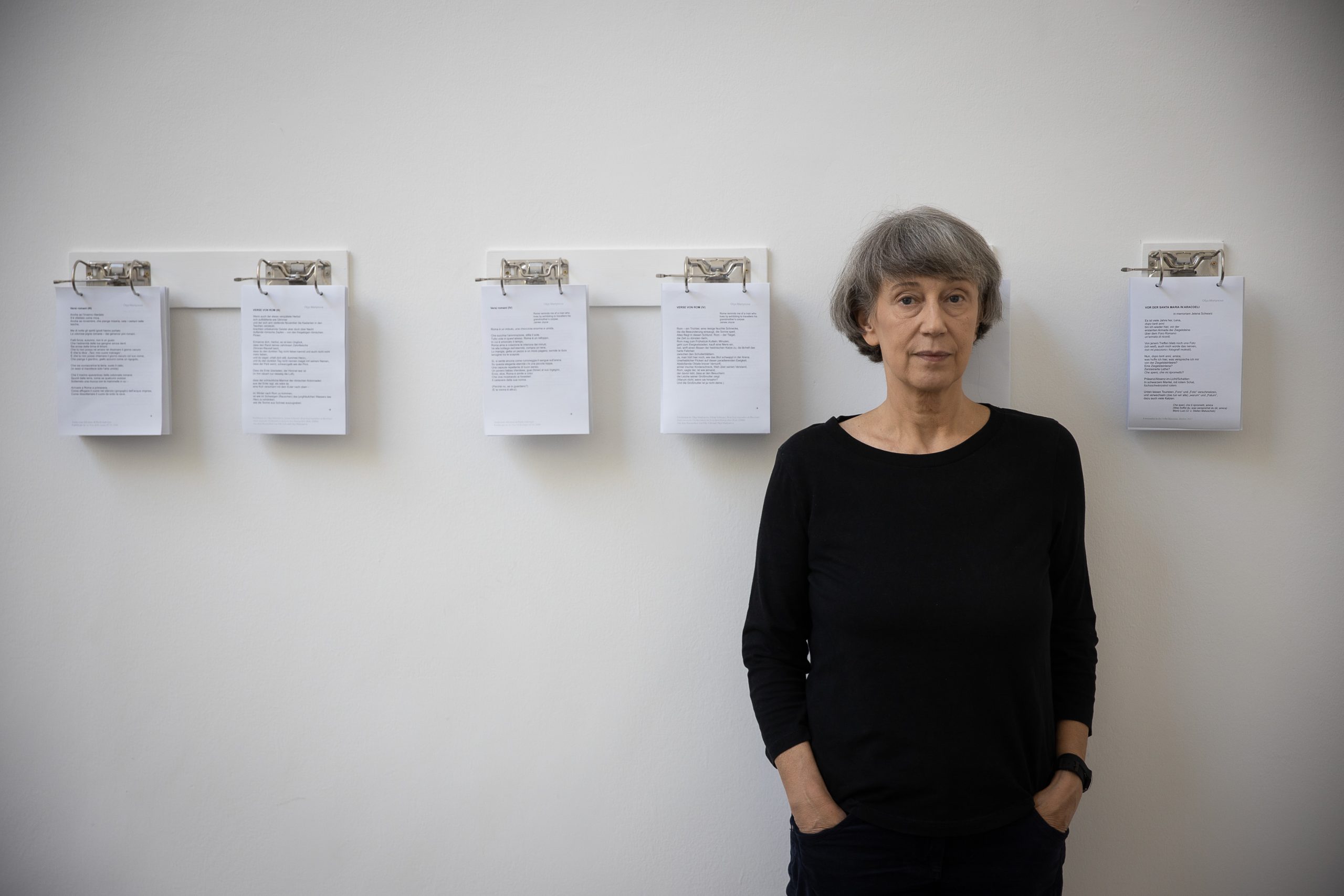
Olga Martynova grew up in Leningrad, where she co-founded the poetry group »Kamera Chranenia« in the 1980s. In 1991 she moved to Germany with Oleg Jurjew (1959–2018). Since 1999 she has written literary texts in both Russian and German, and since 2018, only in German. Olga Martynova is a member of PEN and the German Academy for Language and Literature, as well as the Academy of Sciences and Literature in Mainz. She is the recipient of, among other awards, the Ingeborg Bachmann Prize (2012) and the Berliner Literaturpreis (2015). Most recently, S. Fischer published Martynovas’ Gespräch über die Trauer (2023) and Such nach dem Namen des Windes: Gedichte (2024).

Olga Martynova was a resident at the Tarabya Cultural Academy from February 2025 to May 2025.

Year 2025
Discipline Literature

Olga Martynova grew up in Leningrad, where she co-founded the poetry group »Kamera Chranenia« in the 1980s. In 1991 she moved to Germany with Oleg Jurjew (1959–2018). Since 1999 she has written literary texts in both Russian and German, and since 2018, only in German. Olga Martynova is a member of PEN and the German Academy for Language and Literature, as well as the Academy of Sciences and Literature in Mainz. She is the recipient of, among other awards, the Ingeborg Bachmann Prize (2012) and the Berliner Literaturpreis (2015). Most recently, S. Fischer published Martynovas’ Gespräch über die Trauer (2023) and Such nach dem Namen des Windes: Gedichte (2024).

Olga Martynova was a resident at the Tarabya Cultural Academy from February 2025 to May 2025.

BORDERS & BELONGING: A reading series with alumni of the Tarabya Cultural Academy

Datum 11.-22.12.2025
Discipline Literature

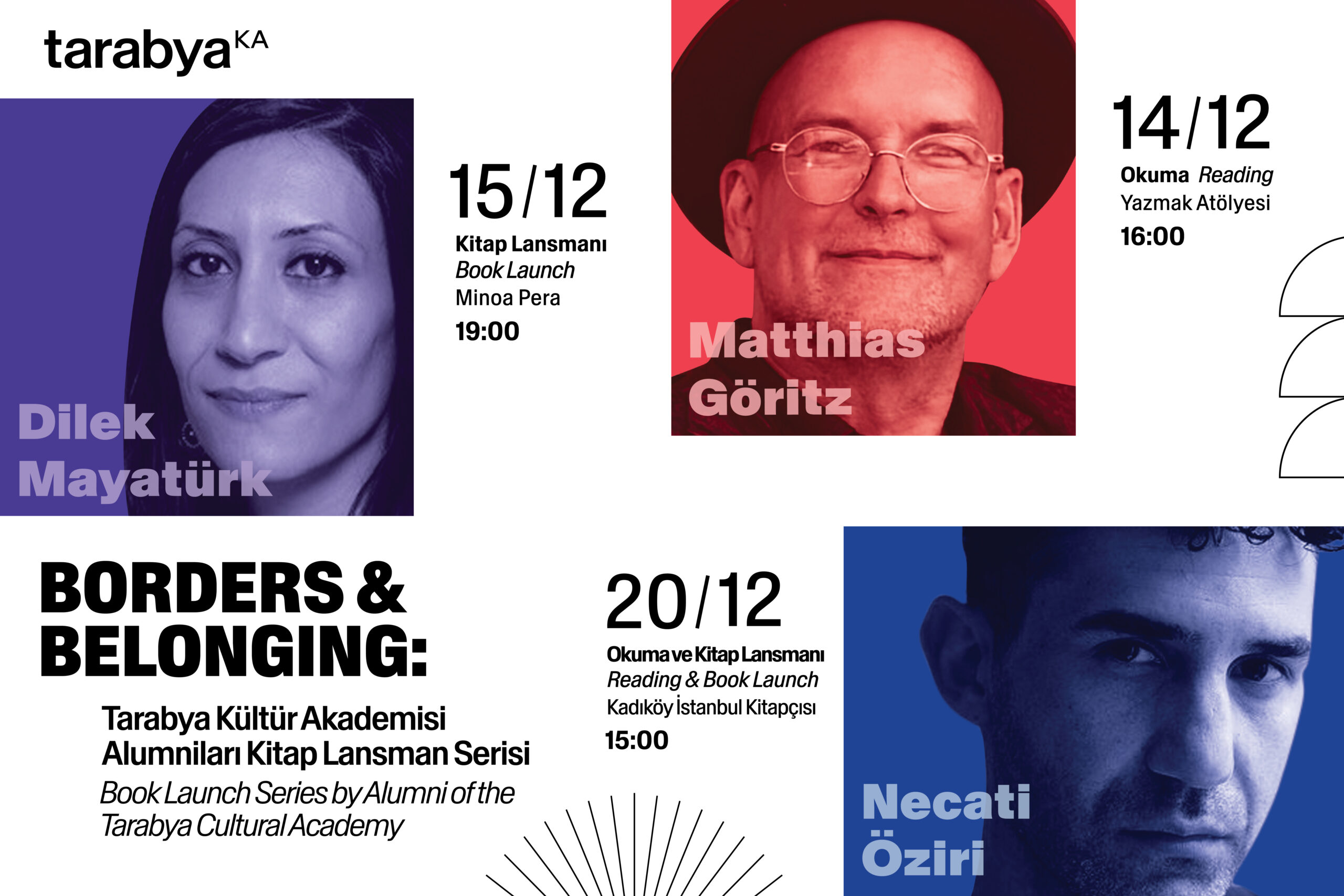
In December 2025, the Tarabya Cultural Academy celebrates the publication of three books written during and following residency stays in Istanbul – and which are now available in Turkish. In Istanbul and beyond, the three authors Dilek Mayatürk, Matthias Göritz and Necati Öziri will present their literary works, which all search for traces across borders and generations.

The Borders & Belonging series brings together three authors who, through their residency in Tarabya and in their writing, follow cross-border traces laid by the generations before them – in the hope of finding answers to the complex questions of belonging and identity. Through readings, discussions, and book launches held between December 11 and 22, 2025 in Istanbul, Ankara and Izmir, these writers showcase, above and beyond the findings from their journeys of discovery, the vibrancy of the cultural dialogue between Türkiye and Germany.

The Borders & Belonging series opens with a book launch (11/12), a reading and discussion at the International Istanbul Book Fair (13/12), and a reading (14/12) with Matthias Göritz. His novel The Language of the Sun creates a multilayered panorama of the past and the present. The American Lee travels to Istanbul to research the fate of her German-Jewish grandmother in the 1930s. The novel combines stories of exile with the question of how language and memory shape identity. It was translated and published in Turkish for the first time in 2025.

Dilek Mayatürk will present her new poetry collection Neden Olmasın (“Why not”) at a book launch (15/12). Her poems deal with closeness and distance, and how one can find a sense of home living between cultures and languages, within this poetic space that crosses borders geographically, linguistically, and emotionally. .

Necati Öziri will present his novel Baba İzi, newly published in Turkish, at a reading and discussion (20/12). The book tells the story of Arda, who grows up between the worlds of his Turkish-rooted family and German society. In 2023, this powerful work about origins, belonging, and the longing for an absent father was nominated for the German Book Prize.

Through their books and these events, all three authors underscore the importance of the Tarabya Cultural Academy as a place of encounter, dialogue, and creative collaboration between Germany and Türkiye. Since its founding in October 2011, the residency house at the Bosphorus has given more than 200 artists from Germany the opportunity to live and work in Istanbul for several months at a time. The networks established with the Turkish cultural scene during their residencies usually extend far beyond this time. Many alumni return to the Bosphorus for exhibitions, performances and collaborative projects – or for the publication of their books with Turkish publishers.

Dates:

11/12/2025, 18:00h – Matthias Göritz: Book Launch Party at the Gala Galeri
12/12/2025, 18:00h – Dilek Mayatürk: Reading at Boğaziçi University (participation requires prior registration here)
13/12/2025, 14:00h – Matthias Göritz: Reading at the International Istanbul Book Fair
14/12/2025, 16:00h – Matthias Göritz: Reading at Yazmak Atölyesi
15/12/2025, 19:00h – Dilek Mayatürk: Book Launch at Minoa Pera
17/12/2025, 11:00h – Matthias Göritz: Reading at Istanbul University (closed event)
18/12/2025 – Matthias Göritz: Reading at Hacettepe University Ankara (closed event)
20/12/2025, 15:00h – Necati Öziri: Reading & Book Launch at Kadıköy Istanbul Kitapçısı
22/12/2025 – Matthias Göritz: Reading at Ege University İzmir (closed event)

Read more Less

Tunay Önder

Year 2025
Discipline Literature

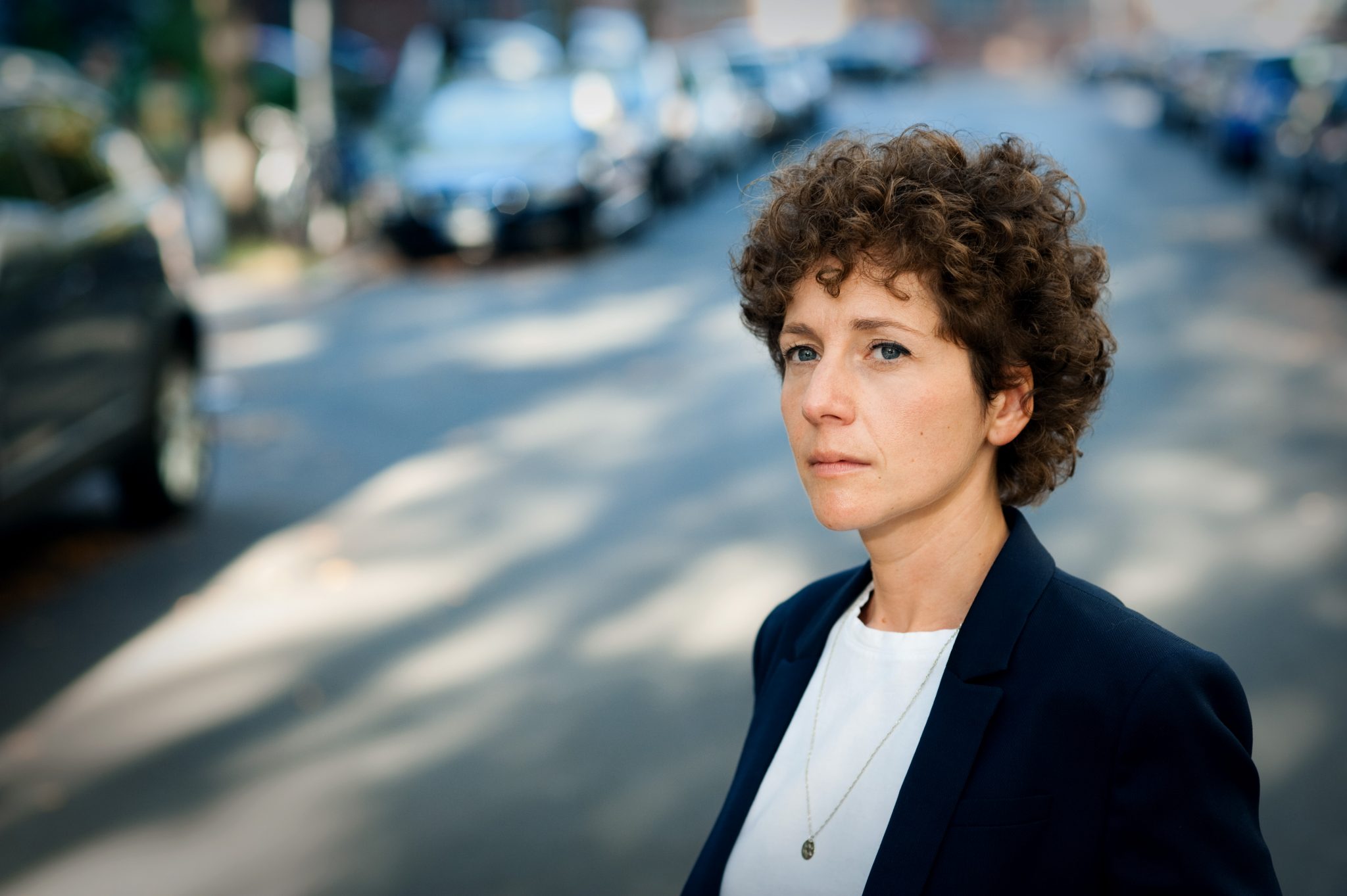
Tunay Önder is an author, curator, and artist. Her work focuses on emancipation struggles in the context of a migration society, at the intersection of text, performance, installation, and discourse. Önder studied sociology, political science, and ethnology at Bosporus University in Istanbul and Heidelberg University, where she earned her master’s degree. She has curated projects at Münchner Kammerspielen, the Wiesbaden Biennale, the FAVORITEN Festival in Dortmund, and the Munich City Museum. In 2018, she was nominated for the Fine Arts Advancement Award from the City of Munich. In 2022, she attended the International Writing Program at the University of Iowa on a fellowship from the Max Kade Foundation. Her documentary theatre piece Offene Wunde about the attack at the Olympia Shopping Centre, co-written with Christine Umpfenbach, premiered at the Munich People’s Theatre in April 2025. She is currently a board member of the FLORIDA arts space in Munich, and she works for the Munich Department of Culture in the field of Public History – Memory in the Public Space. In addition to her two books migrantenstadl (with Imad Mustafa) and Urteile (edited together with Christine Umpfenbach and Azar Mortazavi), her texts have appeared in anthologies and public spaces, have been brought to the stage, and taken the form of installations and performances.

Tunay Önder is in residence at the Tarabya Cultural Academy from October 2025 to January 2026.

Year 2025
Discipline Literature

Tunay Önder is an author, curator, and artist. Her work focuses on emancipation struggles in the context of a migration society, at the intersection of text, performance, installation, and discourse. Önder studied sociology, political science, and ethnology at Bosporus University in Istanbul and Heidelberg University, where she earned her master’s degree. She has curated projects at Münchner Kammerspielen, the Wiesbaden Biennale, the FAVORITEN Festival in Dortmund, and the Munich City Museum. In 2018, she was nominated for the Fine Arts Advancement Award from the City of Munich. In 2022, she attended the International Writing Program at the University of Iowa on a fellowship from the Max Kade Foundation. Her documentary theatre piece Offene Wunde about the attack at the Olympia Shopping Centre, co-written with Christine Umpfenbach, premiered at the Munich People’s Theatre in April 2025. She is currently a board member of the FLORIDA arts space in Munich, and she works for the Munich Department of Culture in the field of Public History – Memory in the Public Space. In addition to her two books migrantenstadl (with Imad Mustafa) and Urteile (edited together with Christine Umpfenbach and Azar Mortazavi), her texts have appeared in anthologies and public spaces, have been brought to the stage, and taken the form of installations and performances.

Tunay Önder is in residence at the Tarabya Cultural Academy from October 2025 to January 2026.

Sasha Salzmann

Year 2013
Discipline Literature

Sasha Salzmann, novelist and playwright, essayist, and curator, was co-founder of the cultural and society magazine freitext and director of STUDIO Я at the Maxim Gorki Theater, Berlin. Salzmann’s theater works have been translated into over 20 languages and have received, among other awards, the 2020 Art Prize for Performing Arts of the Academy of the Arts, Berlin. In 2017, Suhrkamp published her debut novel, Außer sich (Beside Myself), which was translated into 16 languages and shortlisted for the German Book Prize. Salzmann moderates the monthly discussion series “Apropos Gegenwart” at Vienna’s Burgtheater, alternating with the Viennese philosopher and publicist Isolde Charim. Salzmann’s new novel, Im Menschen muss alles herrlich sein (In a human being everything must be wonderful) will be published by Suhrkamp in autumn 2021.

Sasha Salzmann was a resident at Tarabya Cultural Academy from September 2012 to February 2013.

Year 2013
Discipline Literature
© Heike Steinweg

Sasha Salzmann, novelist and playwright, essayist, and curator, was co-founder of the cultural and society magazine freitext and director of STUDIO Я at the Maxim Gorki Theater, Berlin. Salzmann’s theater works have been translated into over 20 languages and have received, among other awards, the 2020 Art Prize for Performing Arts of the Academy of the Arts, Berlin. In 2017, Suhrkamp published her debut novel, Außer sich (Beside Myself), which was translated into 16 languages and shortlisted for the German Book Prize. Salzmann moderates the monthly discussion series “Apropos Gegenwart” at Vienna’s Burgtheater, alternating with the Viennese philosopher and publicist Isolde Charim. Salzmann’s new novel, Im Menschen muss alles herrlich sein (In a human being everything must be wonderful) will be published by Suhrkamp in autumn 2021.

Sasha Salzmann was a resident at Tarabya Cultural Academy from September 2012 to February 2013.

Moritz Rinke

Year 2013
Discipline Literature

Moritz Rinke, born in 1967 in Worpswede, studied drama, theater, and media at the University of Gießen. In 1997 his second play, Der Mann, der noch keiner Frau Blöße entdeckte, was awarded the PEN Club’s Literature Prize and nominated for the Mülheim Dramatist Prize, as was his Republik Vineta (Republic of Vineta), which was voted the best German-language play in 2001, and in 2008 was filmed for the cinema. Rinke’s first work in film, September (director: Max Färberböck), in which he also made his debut as an actor, was invited to Cannes in 2003. His play Café Umberto, in which the unemployed occupy a job center and create a new society, was performed on numerous stages in 2005 and has become part of the curriculum in schools and universities. Rinke has been the subject of a ZDF/ARTE film, Mein Leben – Moritz Rinke (My Life – Moritz Rinke). His first novel, Der Mann, der durch das Jahrhundert fiel (The Man Who Fell through the Century), was published in 2010 and immediately became a best seller. His play Wir lieben und wissen nichts (We Love and Know Nothing) (2012) has been performed on over 50 national and international stages. His new novel, Der längste Tag des Pedro Fernández García (The Longest Day of Pedro Fernández García), was published in August 2021. He lives in Berlin.

Moritz Rinke was a resident at Tarabya Cultural Academy from May to September 2013.

Year 2013
Discipline Literature
© Joscha Jennessen

Moritz Rinke, born in 1967 in Worpswede, studied drama, theater, and media at the University of Gießen. In 1997 his second play, Der Mann, der noch keiner Frau Blöße entdeckte, was awarded the PEN Club’s Literature Prize and nominated for the Mülheim Dramatist Prize, as was his Republik Vineta (Republic of Vineta), which was voted the best German-language play in 2001, and in 2008 was filmed for the cinema. Rinke’s first work in film, September (director: Max Färberböck), in which he also made his debut as an actor, was invited to Cannes in 2003. His play Café Umberto, in which the unemployed occupy a job center and create a new society, was performed on numerous stages in 2005 and has become part of the curriculum in schools and universities. Rinke has been the subject of a ZDF/ARTE film, Mein Leben – Moritz Rinke (My Life – Moritz Rinke). His first novel, Der Mann, der durch das Jahrhundert fiel (The Man Who Fell through the Century), was published in 2010 and immediately became a best seller. His play Wir lieben und wissen nichts (We Love and Know Nothing) (2012) has been performed on over 50 national and international stages. His new novel, Der längste Tag des Pedro Fernández García (The Longest Day of Pedro Fernández García), was published in August 2021. He lives in Berlin.

Moritz Rinke was a resident at Tarabya Cultural Academy from May to September 2013.

José F. A. Oliver

Year 2013
Discipline Literature

José F.A. Oliver, of Andalusian origin, was born in 1961 in Hausach, in the Black Forest, where the poet, essayist and translator still works and lives. He has been awarded the Adelbert von Chamisso Prize, the Cultural Prize of the State of Baden-Württemberg, the Basler Poetry Prize, and the Liliencron Lecturership at the University of Kiel. Further poetics lectureships took him to MIT (Cambridge / USA), TU Dresden, University of Munich, and University of Bayreuth. His publications include Fahrtenschreiber (2010), sorpresa, unverhofft – Lorca, 13 Einschreibungen (2015), 21 Gedichte aus Istanbul, 4 Briefe und 10 Fotow:orte (2016), wundgewähr (2018, together with Mikael Vogel), and Zum Bleben, wie zum Wandern – Hölderlin, theurer Freund. 20 Gedichte und ein verzweifeltes Lied (2020). In the USA, he published sandscript: Selected Poetry 1987–2018 in 2018. Oliver translates from Spanish, German and English, including works by Federico García Lorca, Vicente Alexandre, Juan Ramón Jiménez, Joachim Sartorius, Raphael Urweider, Anja Utler, Albert Ostermeier, and Ilija Trojanow. He is the curator of the Hausacher Reading Lenz Literature Festival, which he founded.

José F. A. Oliver was a resident at Tarabya Cultural Academy from August to December 2013.

Year 2013
Discipline Literature

José F.A. Oliver, of Andalusian origin, was born in 1961 in Hausach, in the Black Forest, where the poet, essayist and translator still works and lives. He has been awarded the Adelbert von Chamisso Prize, the Cultural Prize of the State of Baden-Württemberg, the Basler Poetry Prize, and the Liliencron Lecturership at the University of Kiel. Further poetics lectureships took him to MIT (Cambridge / USA), TU Dresden, University of Munich, and University of Bayreuth. His publications include Fahrtenschreiber (2010), sorpresa, unverhofft – Lorca, 13 Einschreibungen (2015), 21 Gedichte aus Istanbul, 4 Briefe und 10 Fotow:orte (2016), wundgewähr (2018, together with Mikael Vogel), and Zum Bleben, wie zum Wandern – Hölderlin, theurer Freund. 20 Gedichte und ein verzweifeltes Lied (2020). In the USA, he published sandscript: Selected Poetry 1987–2018 in 2018. Oliver translates from Spanish, German and English, including works by Federico García Lorca, Vicente Alexandre, Juan Ramón Jiménez, Joachim Sartorius, Raphael Urweider, Anja Utler, Albert Ostermeier, and Ilija Trojanow. He is the curator of the Hausacher Reading Lenz Literature Festival, which he founded.

José F. A. Oliver was a resident at Tarabya Cultural Academy from August to December 2013.

Katja Lange-Müller

Year 2014
Discipline Literature

Katja Lange-Müller, born 1951 in East Berlin, GDR, was a typesetter and assistant nurse in psychiatry before she studied literature in Leipzig. In November 1984 she applied for an exit visa to West Berlin, where she still lives today. Lange-Müller’s literary work, which is shaped by German-German history, has received numerous awards, including the Ingeborg Bachmann Prize, Alfred Döblin Prize, Wilhelm Raabe Prize, and the Kassel Literature Prize for Grotesque Humor. In 2013 she received the Kleist Prize and in 2017 the Günter Grass Prize. In autumn 2007 she published the novel Böse Schafe (Angry Sheep) and in autumn 2016 the novel Drehtür (Revolving Door). Her new novel, Unser Ole (Our Ole), is expected to be out in 2023.

Katja Lange-Müller was a resident at Tarabya Cultural Academy from October 2013 to June 2014.

Year 2014
Discipline Literature

Katja Lange-Müller, born 1951 in East Berlin, GDR, was a typesetter and assistant nurse in psychiatry before she studied literature in Leipzig. In November 1984 she applied for an exit visa to West Berlin, where she still lives today. Lange-Müller’s literary work, which is shaped by German-German history, has received numerous awards, including the Ingeborg Bachmann Prize, Alfred Döblin Prize, Wilhelm Raabe Prize, and the Kassel Literature Prize for Grotesque Humor. In 2013 she received the Kleist Prize and in 2017 the Günter Grass Prize. In autumn 2007 she published the novel Böse Schafe (Angry Sheep) and in autumn 2016 the novel Drehtür (Revolving Door). Her new novel, Unser Ole (Our Ole), is expected to be out in 2023.

Katja Lange-Müller was a resident at Tarabya Cultural Academy from October 2013 to June 2014.

Kurt Drawert

Year 2014
Discipline Literature

Kurt Drawert, born in 1956 in Hennigsdorf (Brandenburg), has lived as a freelance writer of poetry, prose, drama, and essays in Darmstadt since 1996, where he also heads the Center for Youth Literature. He has most recently published the monograph Schreiben. Vom Leben der Texte (Writing. On the Life of Texts) (2012), Was gewesen sein wird. Essays 2004–2014 (What Will Have Been. Essays 2004–2014) (2015), the poem Der Körper meiner Zeit (The Body of My Time) (2017) and the novel Dresden. Die zweite Zeit (Dresden. The Second Period) (2020), all with C. H. Beck in Munich. He has received numerous awards, including the Leonce and Lena Prize (1989), Meran Poetry Prize (1993), Ingeborg Bachmann Prize (1993), Uwe Johnson Prize (1994), Villa Massimo Residency (1995), Nikolaus Lenau Prize (1996), Rainer Malkowski Prize (2008), Werner Bergengruen Prize (2013), Robert Gernhardt Prize (2014), Lessing Prize of the Free State of Saxony (2017) and Georg Christoph Lichtenberg Prize (2020). He is a member of the German Academy for Language and Poetry (since 2014) and the Saxon Academy of the Arts (since 2018).

Kurt Drawert was a resident at Tarabya Cultural Academy from March to November 2014 and May to June 2015.

Year 2014
Discipline Literature

Kurt Drawert, born in 1956 in Hennigsdorf (Brandenburg), has lived as a freelance writer of poetry, prose, drama, and essays in Darmstadt since 1996, where he also heads the Center for Youth Literature. He has most recently published the monograph Schreiben. Vom Leben der Texte (Writing. On the Life of Texts) (2012), Was gewesen sein wird. Essays 2004–2014 (What Will Have Been. Essays 2004–2014) (2015), the poem Der Körper meiner Zeit (The Body of My Time) (2017) and the novel Dresden. Die zweite Zeit (Dresden. The Second Period) (2020), all with C. H. Beck in Munich. He has received numerous awards, including the Leonce and Lena Prize (1989), Meran Poetry Prize (1993), Ingeborg Bachmann Prize (1993), Uwe Johnson Prize (1994), Villa Massimo Residency (1995), Nikolaus Lenau Prize (1996), Rainer Malkowski Prize (2008), Werner Bergengruen Prize (2013), Robert Gernhardt Prize (2014), Lessing Prize of the Free State of Saxony (2017) and Georg Christoph Lichtenberg Prize (2020). He is a member of the German Academy for Language and Poetry (since 2014) and the Saxon Academy of the Arts (since 2018).

Kurt Drawert was a resident at Tarabya Cultural Academy from March to November 2014 and May to June 2015.

Olga Grjasnowa

Year 2016
Discipline Literature

Olga Grjasnowa, born 1984 in Baku, Azerbaijan, has so far published four novels and one non-fiction book on multilingualism. For her highly acclaimed debut novel Der Russe ist einer, der Birken liebt (All Russians Love Birch Trees) (2012), she was awarded the Klaus-Michael Kühne Prize and Anna Seghers Prize. This book was followed in 2014 by Die juristische Unschärfe einer Ehe (The Legal Haziness of a Marriage) and in 2017 by Gott ist nicht schüchtern (God Is Not Shy). Most recently she published the novel Der verlorene Sohn (The Prodigal Son) (2020) and Die Macht der Mehrsprachigkeit. Über Herkunft und Vielfalt (The Power of Multilingualism. On Origins and Diversity) (2021). Her works have been translated into 15 languages, adopted for the stage and the radio, received numerous awards, and made into films.

Olga Grjasnowa was a resident at Tarabya Cultural Academy from June to December 2016.

Year 2016
Discipline Literature

Olga Grjasnowa, born 1984 in Baku, Azerbaijan, has so far published four novels and one non-fiction book on multilingualism. For her highly acclaimed debut novel Der Russe ist einer, der Birken liebt (All Russians Love Birch Trees) (2012), she was awarded the Klaus-Michael Kühne Prize and Anna Seghers Prize. This book was followed in 2014 by Die juristische Unschärfe einer Ehe (The Legal Haziness of a Marriage) and in 2017 by Gott ist nicht schüchtern (God Is Not Shy). Most recently she published the novel Der verlorene Sohn (The Prodigal Son) (2020) and Die Macht der Mehrsprachigkeit. Über Herkunft und Vielfalt (The Power of Multilingualism. On Origins and Diversity) (2021). Her works have been translated into 15 languages, adopted for the stage and the radio, received numerous awards, and made into films.

Olga Grjasnowa was a resident at Tarabya Cultural Academy from June to December 2016.