Discipline: Literature

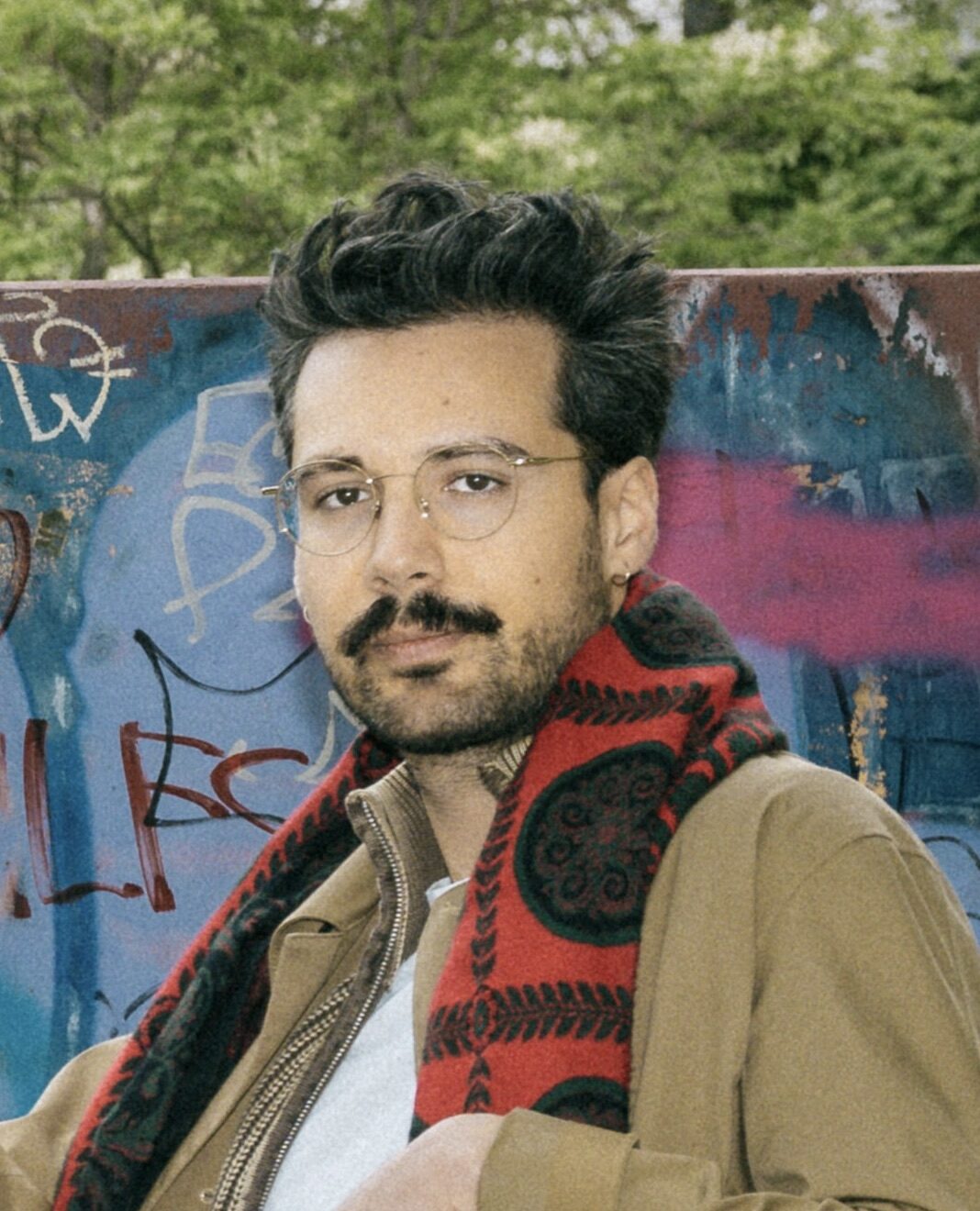
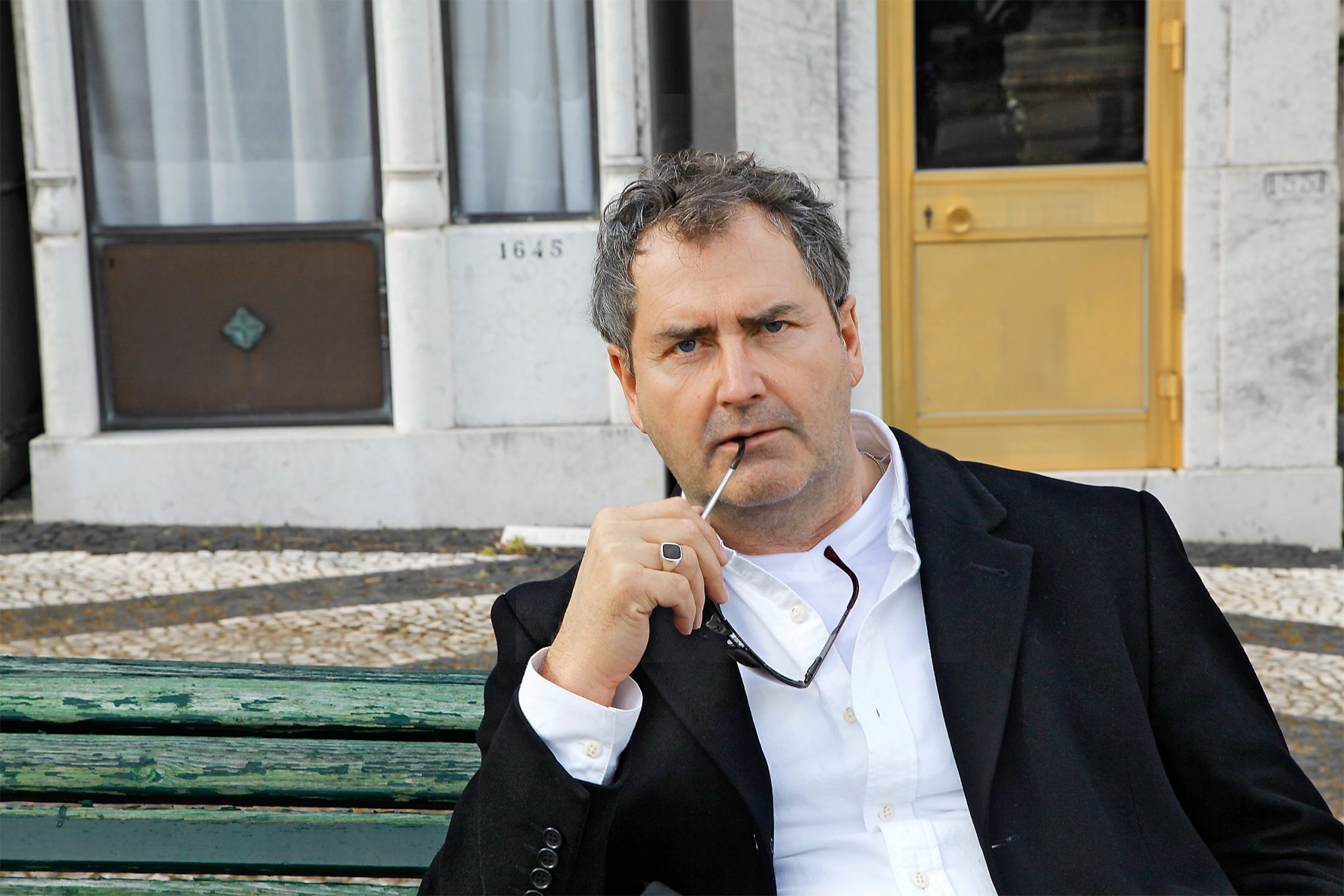
Tunay Önder

Year 2025
Discipline Literature

Tunay Önder is in residence at the Tarabya Cultural Academy from October 2025 to January 2026.

A short biography of Tunay Önder will be published here soon.

Year 2025
Discipline Literature

Tunay Önder is in residence at the Tarabya Cultural Academy from October 2025 to January 2026.

A short biography of Tunay Önder will be published here soon.

Sasha Salzmann

Year 2013
Discipline Literature

Sasha Salzmann, novelist and playwright, essayist, and curator, was co-founder of the cultural and society magazine freitext and director of STUDIO Я at the Maxim Gorki Theater, Berlin. Salzmann’s theater works have been translated into over 20 languages and have received, among other awards, the 2020 Art Prize for Performing Arts of the Academy of the Arts, Berlin. In 2017, Suhrkamp published her debut novel, Außer sich (Beside Myself), which was translated into 16 languages and shortlisted for the German Book Prize. Salzmann moderates the monthly discussion series “Apropos Gegenwart” at Vienna’s Burgtheater, alternating with the Viennese philosopher and publicist Isolde Charim. Salzmann’s new novel, Im Menschen muss alles herrlich sein (In a human being everything must be wonderful) will be published by Suhrkamp in autumn 2021.

Sasha Salzmann was a resident at Tarabya Cultural Academy from September 2012 to February 2013.

Year 2013
Discipline Literature
© Heike Steinweg

Sasha Salzmann, novelist and playwright, essayist, and curator, was co-founder of the cultural and society magazine freitext and director of STUDIO Я at the Maxim Gorki Theater, Berlin. Salzmann’s theater works have been translated into over 20 languages and have received, among other awards, the 2020 Art Prize for Performing Arts of the Academy of the Arts, Berlin. In 2017, Suhrkamp published her debut novel, Außer sich (Beside Myself), which was translated into 16 languages and shortlisted for the German Book Prize. Salzmann moderates the monthly discussion series “Apropos Gegenwart” at Vienna’s Burgtheater, alternating with the Viennese philosopher and publicist Isolde Charim. Salzmann’s new novel, Im Menschen muss alles herrlich sein (In a human being everything must be wonderful) will be published by Suhrkamp in autumn 2021.

Sasha Salzmann was a resident at Tarabya Cultural Academy from September 2012 to February 2013.

Moritz Rinke

Year 2013
Discipline Literature

Moritz Rinke, born in 1967 in Worpswede, studied drama, theater, and media at the University of Gießen. In 1997 his second play, Der Mann, der noch keiner Frau Blöße entdeckte, was awarded the PEN Club’s Literature Prize and nominated for the Mülheim Dramatist Prize, as was his Republik Vineta (Republic of Vineta), which was voted the best German-language play in 2001, and in 2008 was filmed for the cinema. Rinke’s first work in film, September (director: Max Färberböck), in which he also made his debut as an actor, was invited to Cannes in 2003. His play Café Umberto, in which the unemployed occupy a job center and create a new society, was performed on numerous stages in 2005 and has become part of the curriculum in schools and universities. Rinke has been the subject of a ZDF/ARTE film, Mein Leben – Moritz Rinke (My Life – Moritz Rinke). His first novel, Der Mann, der durch das Jahrhundert fiel (The Man Who Fell through the Century), was published in 2010 and immediately became a best seller. His play Wir lieben und wissen nichts (We Love and Know Nothing) (2012) has been performed on over 50 national and international stages. His new novel, Der längste Tag des Pedro Fernández García (The Longest Day of Pedro Fernández García), was published in August 2021. He lives in Berlin.

Moritz Rinke was a resident at Tarabya Cultural Academy from May to September 2013.

Year 2013
Discipline Literature
© Joscha Jennessen

Moritz Rinke, born in 1967 in Worpswede, studied drama, theater, and media at the University of Gießen. In 1997 his second play, Der Mann, der noch keiner Frau Blöße entdeckte, was awarded the PEN Club’s Literature Prize and nominated for the Mülheim Dramatist Prize, as was his Republik Vineta (Republic of Vineta), which was voted the best German-language play in 2001, and in 2008 was filmed for the cinema. Rinke’s first work in film, September (director: Max Färberböck), in which he also made his debut as an actor, was invited to Cannes in 2003. His play Café Umberto, in which the unemployed occupy a job center and create a new society, was performed on numerous stages in 2005 and has become part of the curriculum in schools and universities. Rinke has been the subject of a ZDF/ARTE film, Mein Leben – Moritz Rinke (My Life – Moritz Rinke). His first novel, Der Mann, der durch das Jahrhundert fiel (The Man Who Fell through the Century), was published in 2010 and immediately became a best seller. His play Wir lieben und wissen nichts (We Love and Know Nothing) (2012) has been performed on over 50 national and international stages. His new novel, Der längste Tag des Pedro Fernández García (The Longest Day of Pedro Fernández García), was published in August 2021. He lives in Berlin.

Moritz Rinke was a resident at Tarabya Cultural Academy from May to September 2013.

José F. A. Oliver

Year 2013
Discipline Literature

José F.A. Oliver, of Andalusian origin, was born in 1961 in Hausach, in the Black Forest, where the poet, essayist and translator still works and lives. He has been awarded the Adelbert von Chamisso Prize, the Cultural Prize of the State of Baden-Württemberg, the Basler Poetry Prize, and the Liliencron Lecturership at the University of Kiel. Further poetics lectureships took him to MIT (Cambridge / USA), TU Dresden, University of Munich, and University of Bayreuth. His publications include Fahrtenschreiber (2010), sorpresa, unverhofft – Lorca, 13 Einschreibungen (2015), 21 Gedichte aus Istanbul, 4 Briefe und 10 Fotow:orte (2016), wundgewähr (2018, together with Mikael Vogel), and Zum Bleben, wie zum Wandern – Hölderlin, theurer Freund. 20 Gedichte und ein verzweifeltes Lied (2020). In the USA, he published sandscript: Selected Poetry 1987–2018 in 2018. Oliver translates from Spanish, German and English, including works by Federico García Lorca, Vicente Alexandre, Juan Ramón Jiménez, Joachim Sartorius, Raphael Urweider, Anja Utler, Albert Ostermeier, and Ilija Trojanow. He is the curator of the Hausacher Reading Lenz Literature Festival, which he founded.

José F. A. Oliver was a resident at Tarabya Cultural Academy from August to December 2013.

Year 2013
Discipline Literature

José F.A. Oliver, of Andalusian origin, was born in 1961 in Hausach, in the Black Forest, where the poet, essayist and translator still works and lives. He has been awarded the Adelbert von Chamisso Prize, the Cultural Prize of the State of Baden-Württemberg, the Basler Poetry Prize, and the Liliencron Lecturership at the University of Kiel. Further poetics lectureships took him to MIT (Cambridge / USA), TU Dresden, University of Munich, and University of Bayreuth. His publications include Fahrtenschreiber (2010), sorpresa, unverhofft – Lorca, 13 Einschreibungen (2015), 21 Gedichte aus Istanbul, 4 Briefe und 10 Fotow:orte (2016), wundgewähr (2018, together with Mikael Vogel), and Zum Bleben, wie zum Wandern – Hölderlin, theurer Freund. 20 Gedichte und ein verzweifeltes Lied (2020). In the USA, he published sandscript: Selected Poetry 1987–2018 in 2018. Oliver translates from Spanish, German and English, including works by Federico García Lorca, Vicente Alexandre, Juan Ramón Jiménez, Joachim Sartorius, Raphael Urweider, Anja Utler, Albert Ostermeier, and Ilija Trojanow. He is the curator of the Hausacher Reading Lenz Literature Festival, which he founded.

José F. A. Oliver was a resident at Tarabya Cultural Academy from August to December 2013.

Katja Lange-Müller

Year 2014
Discipline Literature

Katja Lange-Müller, born 1951 in East Berlin, GDR, was a typesetter and assistant nurse in psychiatry before she studied literature in Leipzig. In November 1984 she applied for an exit visa to West Berlin, where she still lives today. Lange-Müller’s literary work, which is shaped by German-German history, has received numerous awards, including the Ingeborg Bachmann Prize, Alfred Döblin Prize, Wilhelm Raabe Prize, and the Kassel Literature Prize for Grotesque Humor. In 2013 she received the Kleist Prize and in 2017 the Günter Grass Prize. In autumn 2007 she published the novel Böse Schafe (Angry Sheep) and in autumn 2016 the novel Drehtür (Revolving Door). Her new novel, Unser Ole (Our Ole), is expected to be out in 2023.

Katja Lange-Müller was a resident at Tarabya Cultural Academy from October 2013 to June 2014.

Year 2014
Discipline Literature

Katja Lange-Müller, born 1951 in East Berlin, GDR, was a typesetter and assistant nurse in psychiatry before she studied literature in Leipzig. In November 1984 she applied for an exit visa to West Berlin, where she still lives today. Lange-Müller’s literary work, which is shaped by German-German history, has received numerous awards, including the Ingeborg Bachmann Prize, Alfred Döblin Prize, Wilhelm Raabe Prize, and the Kassel Literature Prize for Grotesque Humor. In 2013 she received the Kleist Prize and in 2017 the Günter Grass Prize. In autumn 2007 she published the novel Böse Schafe (Angry Sheep) and in autumn 2016 the novel Drehtür (Revolving Door). Her new novel, Unser Ole (Our Ole), is expected to be out in 2023.

Katja Lange-Müller was a resident at Tarabya Cultural Academy from October 2013 to June 2014.

Kurt Drawert

Year 2014
Discipline Literature

Kurt Drawert, born in 1956 in Hennigsdorf (Brandenburg), has lived as a freelance writer of poetry, prose, drama, and essays in Darmstadt since 1996, where he also heads the Center for Youth Literature. He has most recently published the monograph Schreiben. Vom Leben der Texte (Writing. On the Life of Texts) (2012), Was gewesen sein wird. Essays 2004–2014 (What Will Have Been. Essays 2004–2014) (2015), the poem Der Körper meiner Zeit (The Body of My Time) (2017) and the novel Dresden. Die zweite Zeit (Dresden. The Second Period) (2020), all with C. H. Beck in Munich. He has received numerous awards, including the Leonce and Lena Prize (1989), Meran Poetry Prize (1993), Ingeborg Bachmann Prize (1993), Uwe Johnson Prize (1994), Villa Massimo Residency (1995), Nikolaus Lenau Prize (1996), Rainer Malkowski Prize (2008), Werner Bergengruen Prize (2013), Robert Gernhardt Prize (2014), Lessing Prize of the Free State of Saxony (2017) and Georg Christoph Lichtenberg Prize (2020). He is a member of the German Academy for Language and Poetry (since 2014) and the Saxon Academy of the Arts (since 2018).

Kurt Drawert was a resident at Tarabya Cultural Academy from March to November 2014 and May to June 2015.

Year 2014
Discipline Literature

Kurt Drawert, born in 1956 in Hennigsdorf (Brandenburg), has lived as a freelance writer of poetry, prose, drama, and essays in Darmstadt since 1996, where he also heads the Center for Youth Literature. He has most recently published the monograph Schreiben. Vom Leben der Texte (Writing. On the Life of Texts) (2012), Was gewesen sein wird. Essays 2004–2014 (What Will Have Been. Essays 2004–2014) (2015), the poem Der Körper meiner Zeit (The Body of My Time) (2017) and the novel Dresden. Die zweite Zeit (Dresden. The Second Period) (2020), all with C. H. Beck in Munich. He has received numerous awards, including the Leonce and Lena Prize (1989), Meran Poetry Prize (1993), Ingeborg Bachmann Prize (1993), Uwe Johnson Prize (1994), Villa Massimo Residency (1995), Nikolaus Lenau Prize (1996), Rainer Malkowski Prize (2008), Werner Bergengruen Prize (2013), Robert Gernhardt Prize (2014), Lessing Prize of the Free State of Saxony (2017) and Georg Christoph Lichtenberg Prize (2020). He is a member of the German Academy for Language and Poetry (since 2014) and the Saxon Academy of the Arts (since 2018).

Kurt Drawert was a resident at Tarabya Cultural Academy from March to November 2014 and May to June 2015.

Olga Grjasnowa

Year 2016
Discipline Literature

Olga Grjasnowa, born 1984 in Baku, Azerbaijan, has so far published four novels and one non-fiction book on multilingualism. For her highly acclaimed debut novel Der Russe ist einer, der Birken liebt (All Russians Love Birch Trees) (2012), she was awarded the Klaus-Michael Kühne Prize and Anna Seghers Prize. This book was followed in 2014 by Die juristische Unschärfe einer Ehe (The Legal Haziness of a Marriage) and in 2017 by Gott ist nicht schüchtern (God Is Not Shy). Most recently she published the novel Der verlorene Sohn (The Prodigal Son) (2020) and Die Macht der Mehrsprachigkeit. Über Herkunft und Vielfalt (The Power of Multilingualism. On Origins and Diversity) (2021). Her works have been translated into 15 languages, adopted for the stage and the radio, received numerous awards, and made into films.

Olga Grjasnowa was a resident at Tarabya Cultural Academy from June to December 2016.

Year 2016
Discipline Literature

Olga Grjasnowa, born 1984 in Baku, Azerbaijan, has so far published four novels and one non-fiction book on multilingualism. For her highly acclaimed debut novel Der Russe ist einer, der Birken liebt (All Russians Love Birch Trees) (2012), she was awarded the Klaus-Michael Kühne Prize and Anna Seghers Prize. This book was followed in 2014 by Die juristische Unschärfe einer Ehe (The Legal Haziness of a Marriage) and in 2017 by Gott ist nicht schüchtern (God Is Not Shy). Most recently she published the novel Der verlorene Sohn (The Prodigal Son) (2020) and Die Macht der Mehrsprachigkeit. Über Herkunft und Vielfalt (The Power of Multilingualism. On Origins and Diversity) (2021). Her works have been translated into 15 languages, adopted for the stage and the radio, received numerous awards, and made into films.

Olga Grjasnowa was a resident at Tarabya Cultural Academy from June to December 2016.

Peter Schneider

Year 2018
Discipline Literature

Peter Schneider, born in 1940 in Lübeck, has published some 20 books, including novels, short stories, and essays, some of which have been translated into 20 languages. Der Mauerspringer (The Wall Jumper) (1982) was included in the Penguin Modern Classic series, with a foreword by Ian McEwan. Schneider has also written several film scripts, including for Messer im Kopf (Knife in the Head) (director: Reinhard Hauff, 1978) and Das Versprechen (The Promise) (director: Margarethe von Trotta, 1995). The story Vati (Rua Alguem 5555: My Father) (1987) was filmed in 2005 under the direction of Egidio Eronico and starred Charlton Heston, F. Murray Abraham, and Thomas Kretschmar. Schneider’s reports and essays have appeared in Der Spiegel, Die Zeit, Frankfurter Allgemeine Zeitung, New York Times, Wall Street Journal, Time Magazine, Harper’s Magazine, Le Monde, Liberation, Dagens Nyheter, and La Repubblica. His latest publications include Denken mit dem eigenen Kopf (Thinking with Your Own Head) (2020), Vivaldi und seine Töchter (Vivaldi and His Daughters) (2019), Club der Unentwegten (Club of the Unswerving) (2017), and An der Schönheit kann’s nicht liegen – Berlin, Porträt einer ewig unfertigen Stadt (It Can’t Be Because of Beauty – Berlin, Portrait of an Eternally Unfinished City) (2015).

Peter Schneider was a resident at Tarabya Cultural Academy from September to November 2016 and August 2018.

Year 2018
Discipline Literature

Peter Schneider, born in 1940 in Lübeck, has published some 20 books, including novels, short stories, and essays, some of which have been translated into 20 languages. Der Mauerspringer (The Wall Jumper) (1982) was included in the Penguin Modern Classic series, with a foreword by Ian McEwan. Schneider has also written several film scripts, including for Messer im Kopf (Knife in the Head) (director: Reinhard Hauff, 1978) and Das Versprechen (The Promise) (director: Margarethe von Trotta, 1995). The story Vati (Rua Alguem 5555: My Father) (1987) was filmed in 2005 under the direction of Egidio Eronico and starred Charlton Heston, F. Murray Abraham, and Thomas Kretschmar. Schneider’s reports and essays have appeared in Der Spiegel, Die Zeit, Frankfurter Allgemeine Zeitung, New York Times, Wall Street Journal, Time Magazine, Harper’s Magazine, Le Monde, Liberation, Dagens Nyheter, and La Repubblica. His latest publications include Denken mit dem eigenen Kopf (Thinking with Your Own Head) (2020), Vivaldi und seine Töchter (Vivaldi and His Daughters) (2019), Club der Unentwegten (Club of the Unswerving) (2017), and An der Schönheit kann’s nicht liegen – Berlin, Porträt einer ewig unfertigen Stadt (It Can’t Be Because of Beauty – Berlin, Portrait of an Eternally Unfinished City) (2015).

Peter Schneider was a resident at Tarabya Cultural Academy from September to November 2016 and August 2018.

Katerina Poladjan

Year 2018
Discipline Literature

Katerina Poladjan, born in Moscow, lives as a writer in Berlin. She studied applied cultural sciences (philosophy and art) at the Leuphana University in Lüneburg. In 2011 Rowohlt published her debut novel In einer Nacht, woanders (One Night, Somewhere Else), in 2015 her novel Vielleicht Marseille (Maybe Marseille) and in 2016 the literary travel book Hinter Sibirien (Trans-Siberia). Poladjan has been nominated for the Alfred Döblin Prize and the Ingeborg Bachmann Prize, shortlisted for the European Union Prize for Literature and received the Berlin Senate Grant, the Grenzgänger Grant from the Robert Bosch Foundation, the Alfred Döblin Foundation Grant, and the Prussian Sea Trade Grant. Her latest novel, Hier sind Löwen (Here Be Lions), on which she worked during her residency at Tarabya Cultural Academy, was published in 2019.

Katerina Poladjan was a resident at Tarabya Cultural Academy from July to September 2017 and from March to August 2018.

Year 2018
Discipline Literature

Katerina Poladjan, born in Moscow, lives as a writer in Berlin. She studied applied cultural sciences (philosophy and art) at the Leuphana University in Lüneburg. In 2011 Rowohlt published her debut novel In einer Nacht, woanders (One Night, Somewhere Else), in 2015 her novel Vielleicht Marseille (Maybe Marseille) and in 2016 the literary travel book Hinter Sibirien (Trans-Siberia). Poladjan has been nominated for the Alfred Döblin Prize and the Ingeborg Bachmann Prize, shortlisted for the European Union Prize for Literature and received the Berlin Senate Grant, the Grenzgänger Grant from the Robert Bosch Foundation, the Alfred Döblin Foundation Grant, and the Prussian Sea Trade Grant. Her latest novel, Hier sind Löwen (Here Be Lions), on which she worked during her residency at Tarabya Cultural Academy, was published in 2019.

Katerina Poladjan was a resident at Tarabya Cultural Academy from July to September 2017 and from March to August 2018.

Angelika Overath

Year 2018
Discipline Literature

Angelika Overath, born in 1957 in Karlsruhe, has published four novels, two volumes of poetry (Romansh-German) and essays. She is the recipient of numerous awards, including the Egon Erwin Kisch Prize for literary reportage and Ernst Willner Prize at the Ingeborg Bachmann Competition. She developed her novel Ein Winter in Istanbul (2018) (A Winter in Istanbul) at Tarabya Cultural Academy. Zehra Aksu Yilmazer translated her novel Flughafenfische (Airport Fish) and a selection from the biographical essay “Rätsel” (Riddle), which make up the volume Bilme Celer. Together with Nursel Gülenaz, Overath has edited and translated poems by three important representatives of the Turkish avant-garde movement “New Second”: So träume und verschwinde ich. Liebesgedichte von Edip Cansever, Cemal Süreya und Turgut Uyar (2020) (This is how I Dream and Disappear. Love poems by Edip Cansever, Cemal Süreya and Turgut Uyar). Her most recent publications are Nahe Tage (Near Days) (2021), an expanded new edition of her debut novel, and Krautwelten (Cabbage Worlds) (2021), a non-fiction literary book about cabbage plants. Overath is currently working on the second volume of her Istanbul trilogy.

Angelika Overath was a resident at Tarabya Cultural Academy from December 2015 to February 2016, from April to June 2017 and from December 2017 to March 2018.

Year 2018
Discipline Literature

Angelika Overath, born in 1957 in Karlsruhe, has published four novels, two volumes of poetry (Romansh-German) and essays. She is the recipient of numerous awards, including the Egon Erwin Kisch Prize for literary reportage and Ernst Willner Prize at the Ingeborg Bachmann Competition. She developed her novel Ein Winter in Istanbul (2018) (A Winter in Istanbul) at Tarabya Cultural Academy. Zehra Aksu Yilmazer translated her novel Flughafenfische (Airport Fish) and a selection from the biographical essay “Rätsel” (Riddle), which make up the volume Bilme Celer. Together with Nursel Gülenaz, Overath has edited and translated poems by three important representatives of the Turkish avant-garde movement “New Second”: So träume und verschwinde ich. Liebesgedichte von Edip Cansever, Cemal Süreya und Turgut Uyar (2020) (This is how I Dream and Disappear. Love poems by Edip Cansever, Cemal Süreya and Turgut Uyar). Her most recent publications are Nahe Tage (Near Days) (2021), an expanded new edition of her debut novel, and Krautwelten (Cabbage Worlds) (2021), a non-fiction literary book about cabbage plants. Overath is currently working on the second volume of her Istanbul trilogy.

Angelika Overath was a resident at Tarabya Cultural Academy from December 2015 to February 2016, from April to June 2017 and from December 2017 to March 2018.